



3 min read
The government’s announcement that it will double spending on road infrastructure in the 2026 budget marks a pivotal moment in Ghana’s post-crisis economic recovery. After years of fiscal tightening and macroeconomic turbulence, the shift toward expansionary capital investment — particularly in roads — signals a return to growth anchored in confidence, prudence, and inclusion.
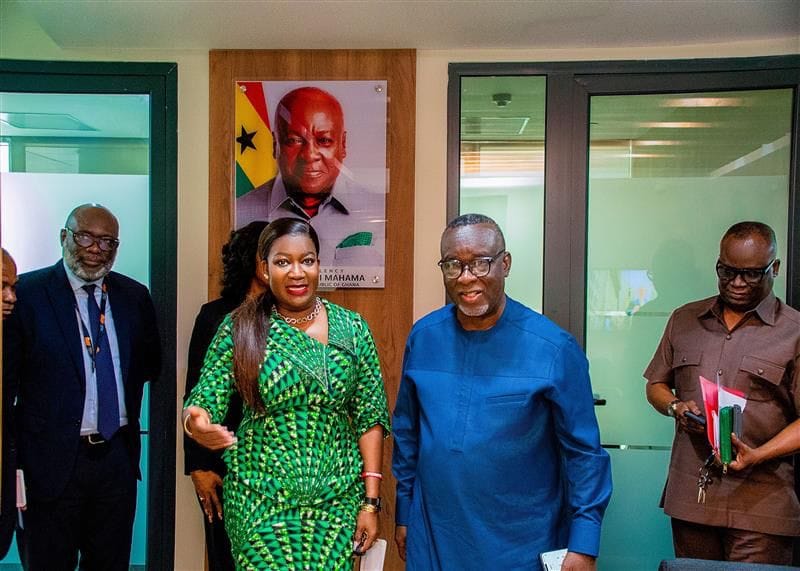
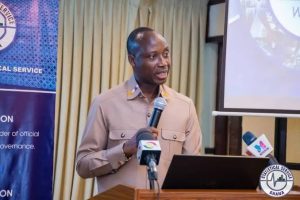
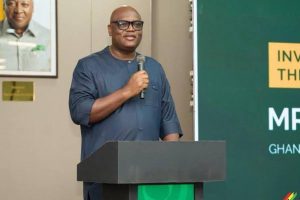
Deputy Finance Minister Thomas Nyarko Ampem, speaking at a stakeholder consultation in Accra, revealed that more than 60 road projects have already been initiated nationwide. The government’s new priority, he explained, is to translate recent macroeconomic stability into tangible infrastructure and social investments that create jobs, enhance productivity, and promote equitable development.
Key Takeaways
- The government’s announcement that it will double spending on road infrastructure in the 2026 budget marks a pivotal moment in Ghana’s post-crisis economic recovery.
- After years of fiscal tightening and macroeconomic turbulence, the shift toward expansionary capital investment — particularly in roads — signals a return to growth anchored in confidence, prudence, and inclusion.
- Deputy Finance Minister Thomas Nyarko Ampem, speaking at a stakeholder consultation in Accra, revealed that more than 60 road projects have already been initiated nationwide.
From Stability to Stimulus
For the first time in several years, Ghana’s fiscal and macroeconomic indicators tell a hopeful story.
A primary balance surplus of 1.4% of GDP, a fiscal deficit reduced to 1.5%, and public debt down to 46.8% of GDP as of August 2025 all suggest a decisive turnaround from the fiscal distress that once constrained development spending.
Inflation has cooled to 9.4%, treasury bill rates have fallen by 1,300 basis points, and the cedi’s appreciation has helped stabilise import costs. These gains have collectively created what the Deputy Minister called “real fiscal space” — room to redirect funds toward productive public investment.
This progress, coupled with upgraded credit ratings by Moody’s and Fitch and renewed confidence under the IMF-supported programme, gives the government the credibility it needs to spend — but wisely.
The Road to Growth
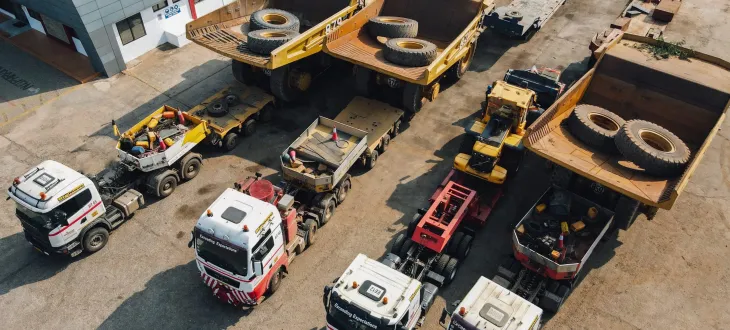
Infrastructure, especially roads, is a multiplier sector. It is a job creator, a trade facilitator, and a key enabler of industrial competitiveness. When roads connect rural producers to markets and industrial zones to ports, they do more than reduce travel time — they expand opportunity and integrate economies.
However, road spending must be efficient and transparent. Ghana’s development history is replete with ambitious infrastructure promises that faltered under weak oversight and poor project management.
Doubling road spending must therefore go hand in hand with strong procurement discipline, transparent financing, and measurable economic returns.
Public–private partnerships (PPPs), output-based maintenance contracts, and digital monitoring of construction projects could make this new infrastructure drive both credible and sustainable.
Balancing Concrete and Compassion
Mr. Ampem was right to stress that infrastructure expansion must not come at the expense of social investment.
The 2026 budget’s emphasis on healthcare, education, social protection, and youth employment shows an awareness that roads alone cannot drive inclusion.
An economy grows by building both physical infrastructure and human capital — and Ghana’s recent macroeconomic gains must finance both fronts.
With macro stability restored, the temptation for political overreach is high. The real test will be whether the government sustains fiscal discipline while scaling up spending — ensuring that today’s stimulus does not become tomorrow’s deficit.

Inclusive Policy, Shared Prosperity
The Deputy Minister’s call for broad stakeholder engagement is both constitutional and commendable.
Budget credibility improves when business leaders, civil society, and academia shape fiscal policy.
Article 179(1) of the Constitution and the Public Financial Management Act (Act 921) require exactly that — a participatory budgeting process grounded in transparency.
As the 2026 budget heads to Parliament in November, the message is clear: Ghana is moving from stabilisation to stimulation.
But the difference between a sustainable recovery and a temporary rebound will depend on whether spending priorities — roads, social services, and enterprise support — are guided by discipline, data, and delivery.

Source: Accra Street Journal
Last Updated on October 24, 2025 by Samuel Kwame Boadu
Disclaimer: Some content on Accra Street Journal may be aggregated, summarized, or edited from third-party sources for informational purposes. Images and media are used under fair use or royalty-free licenses. Accra Street Journal is a subsidiary of SamBoad Publishing Hub under SamBoad Business Group Ltd, registered in Ghana since 2014.
For concerns or inquiries, please visit our Privacy Policy or Contact Page.

Samuel Kwame Boadu is a Ghanaian media entrepreneur and storyteller with a passion for amplifying urban voices and uncovering everyday truths. He is the Editor-in-Chief and Founder of Accra Street Journal, a dynamic digital platform dedicated to capturing the pulse of Ghana’s capital—its people, culture, challenges, business, sports and innovations.
Use the following reference when citing or referencing this article.
Your feedback helps us improve our journalism.
Report an Error
Help us maintain accuracy. Let our editorial team know if you spot an issue in this article.
Report a problem with this article