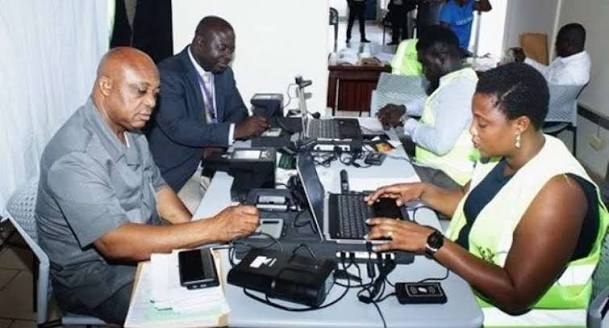
Accra is widely recognized as the economic heartbeat of Ghana, a city where finance, commerce, innovation, government operations, and investment converge. While other cities like Kumasi, Takoradi, and Tamale are experiencing rapid growth, Accra continues to dominate as Ghana’s undisputed business capital — attracting entrepreneurs, multinational corporations, investors, and skilled professionals.
This editorial by Accra Street Journal breaks down the deeper economic, social, and infrastructural reasons behind Accra’s leading role in national and regional commerce.

1. Accra Hosts Ghana’s Major Financial Institutions
Accra is home to:
📢 GET A DETAILED ARTICLES + JOBS
Join ASJ's WhatsApp Channel and never miss a post or opportunity.

-
The Bank of Ghana (BoG)
-
Fintech headquarters
This concentration of financial power gives the city a massive advantage. Businesses prefer Accra because banking, lending, investment, and payment systems are centralized and efficient.
2. The Centre of Government and Policy Decisions
Accra is not only the political capital but also the core of policymaking. Ministries, agencies, and regulators operate from the city, including:

-
Ministry of Trade and Industry
These institutions shape business regulations, taxes, licensing, and national economic strategy. Being close to decision-makers gives businesses in Accra faster access and reduced administrative delays.
3. Superior Infrastructure and Urban Connectivity
Accra’s infrastructure is significantly more developed than most cities in Ghana. Key advantages include:
✔ Kotoka International Airport
Ghana’s main gateway for trade, tourism, and diplomatic travel.
✔ Major road networks
Achimota, N1, N4, Spintex, Ring Road, and newly upgraded routes support mobility.
✔ High internet penetration
Accra leads in broadband access, fibre connectivity, and 4G/5G availability.
✔ Business complexes and coworking hubs
Iconic facilities like Accra Digital Centre, One Airport Square, and A&C Mall provide world-class office spaces.
✔ Logistics and warehousing
The city is the base for courier and freight operations, making distribution more efficient.
This infrastructure enables businesses to operate with speed and reliability.
4. The Largest and Most Diverse Market in Ghana
Accra’s population — estimated at over 5 million in the metropolitan area — is diverse, educated, and economically active. It has:

-
High consumer spending
-
Strong middle-class growth
-
Wide product variety demand
-
A vibrant retail and e-commerce ecosystem
From Makola to Accra Mall to online markets, businesses enjoy a customer base unmatched anywhere else in the country.
5. Digital Transformation and Startup Growth
Accra has become Ghana’s center of digital innovation. Its startup ecosystem is powered by:
-
Tech incubators
-
Digital skill training hubs
-
Software development firms
-
E-commerce businesses
-
Creative and content-driven startups like SamBoad Business Group Ltd, Kwadwo Sheldon Studios etc.
Organizations like Meltwater Entrepreneurial School of Technology (MEST), Ghana Tech Lab, and Hubtel have chosen Accra because of its talent and infrastructure.
This digital shift enhances Accra’s competitiveness and accelerates growth.
6. Hub for International Business & Trade
Most multinational companies operating in Ghana base their headquarters in Accra, including:
-
Telecommunications firms
-
Oil and gas companies
-
Consumer goods manufacturers
-
International NGOs
-
Development agencies
-
Real estate giants
Its proximity to the airport, seaport (through Tema), and international institutions makes Accra strategically positioned for global commerce.
7. Tourism, Hospitality, and Creative Industries Boost the City’s Economy
Accra’s hospitality sector drives significant revenue, supported by:
-
Hotels
-
Creative festivals
“December in Ghana” alone injects millions into the city’s economy, attracting both local and foreign visitors.
8. Higher Education and Skilled Talent Pool
Accra attracts talent from across Ghana because it hosts:
-
UPSA
-
GIJ (UniMAC)
The city becomes a natural business hub as skilled graduates remain to work, start companies, or freelance.
9. Real Estate Development and Business Expansion
Accra’s real estate boom supports economic growth through:

-
Commercial offices
-
Mixed-use developments
Areas like Airport, Cantonments, East Legon, Ridge, Labone, and Osu continue to attract investors and high-net-worth individuals.
10. Accra Drives National Revenue Generation
Much of Ghana’s tax revenue, import duties, and corporate income taxes originate from businesses headquartered in Accra. The city functions as the financial engine that sustains government operations.
This economic strength ensures continuous public and private investments — reinforcing Accra’s leadership position.
The Future: Will Accra Remain the Business Capital?
Yes — and the evidence is overwhelming.
With expanding digital infrastructure, real estate growth, logistics improvements, and a thriving entrepreneurial class, Accra will continue to dominate as Ghana’s business capital for decades.
As long as it remains the center for finance, government, talent, and global connectivity, its position is secure.
Frequently Asked Questions (FAQs)
1. Why is Accra considered Ghana’s business capital?
Because it hosts major financial institutions, government agencies, top companies, and the largest consumer market.
2. Which sectors make Accra economically strong?
Finance, retail, telecoms, real estate, hospitality, logistics, and digital innovation.
3. Is Accra more expensive than other Ghanaian cities?
Yes. Its cost of living is higher due to demand, population density, and economic activity.
4. Can other cities compete with Accra commercially?
Kumasi, Takoradi, and Tamale are growing rapidly, but Accra still holds the strongest infrastructure and investment appeal.
5. Why do startups prefer Accra?
Better internet, talent, coworking spaces, and investor presence make it ideal for technology and creative businesses.
Source: Accra Street Journal
Last Updated on March 14, 2026 by Samuel Kwame Boadu
Disclaimer: Some content on Accra Street Journal may be aggregated, summarized, or edited from third-party sources for informational purposes. Images and media are used under fair use or royalty-free licenses. Accra Street Journal is a subsidiary of SamBoad Publishing Hub under SamBoad Business Group Ltd, registered in Ghana since 2014.
For concerns or inquiries, please visit our Privacy Policy or Contact Page.

Samuel Kwame Boadu is a Ghanaian media entrepreneur and storyteller with a passion for amplifying urban voices and uncovering everyday truths. He is the Editor-in-Chief and Founder of Accra Street Journal, a dynamic digital platform dedicated to capturing the pulse of Ghana’s capital—its people, culture, challenges, business, sports and innovations.