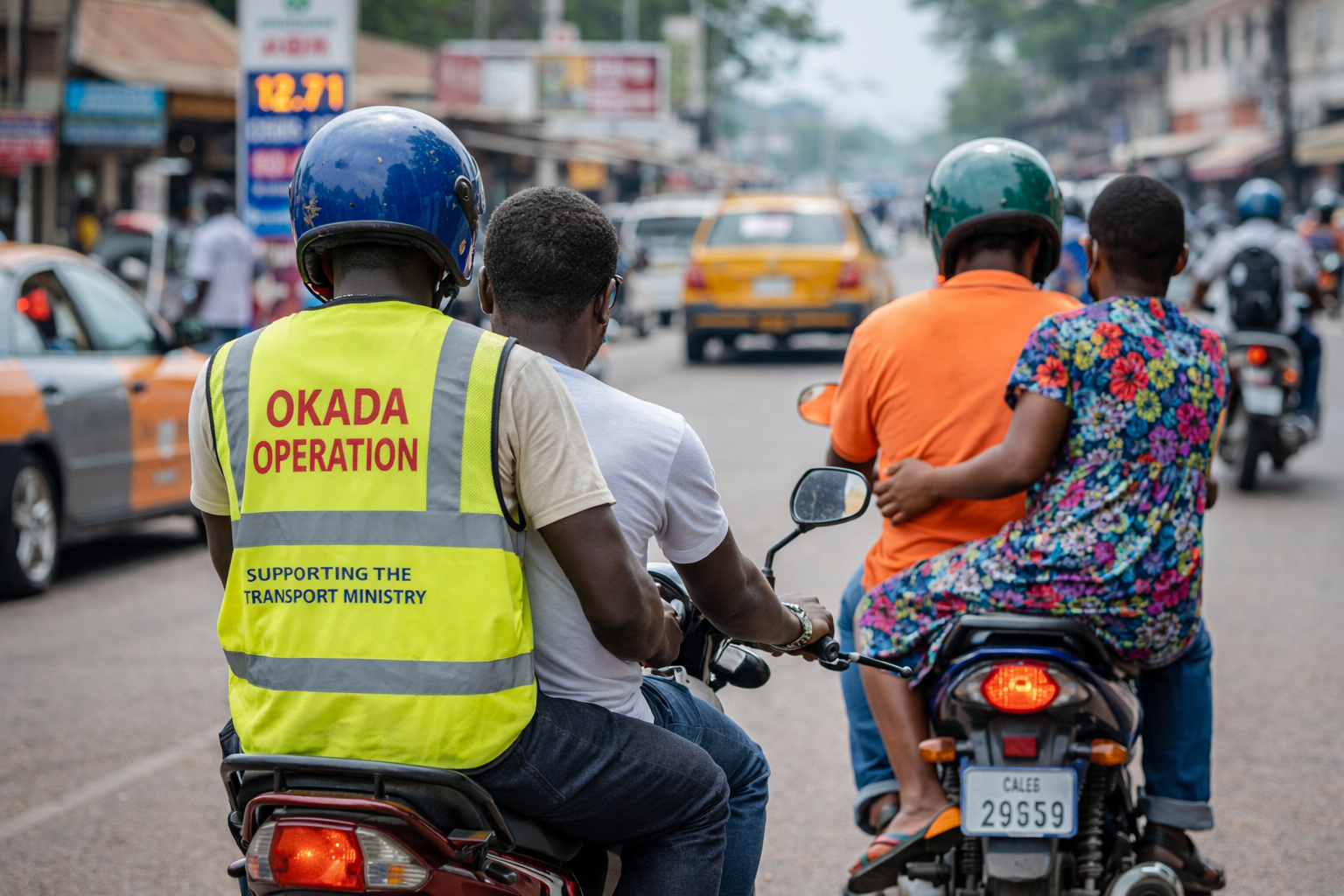
Ghana’s urban transport landscape is undergoing a quiet but telling transformation. Even as petrol prices ease to levels not seen in years, city commuters are not loosening their purse strings. Instead, many are recalibrating how they move, opting for predictable, lower-cost ride-hailing services that allow them to budget every cedi spent on daily travel.
Recent data from Bolt Ghana shows an 18 percent increase in demand for its lowest-priced service, Bolt Basic, in the first weeks of January. The trend offers a revealing snapshot of commuter behaviour in Accra and other urban centres as households adjust to post-festive financial realities and cautiously respond to fuel price relief.

Fuel Prices Ease, But Pressures Remain
Single-Digit Petrol Returns—Briefly
In mid-January, selected oil marketing companies began selling petrol at approximately GH¢9.99 per litre, with diesel also recording marginal reductions. For the first time in several years, motorists encountered single-digit petrol prices at stations located along major transport corridors.
📢 GET A DETAILED ARTICLES + JOBS
Join ASJ's WhatsApp Channel and never miss a post or opportunity.

This development was driven by a mix of lower international petroleum prices, a relatively stable Ghana cedi, and softer global crude markets, according to industry forecasts. The Chamber of Oil Marketing Companies had earlier projected price drops during the January pricing windows, raising expectations of broader transport relief.
Why Cheaper Fuel Hasn’t Changed Everything
Despite the optimism, transport experts caution that fuel prices alone do not dictate commuter behaviour. With food, rent, utilities, and education costs still elevated, households remain under pressure.

As Dr Emmanuel Agyapong, a transport economist, explains, reduced fuel prices do not automatically translate into cheaper travel if the wider cost-of-living environment remains tight. For many commuters, predictability now matters more than marginal savings at the pump.
The Rise of Cost-Conscious Digital Mobility
Bolt Basic and Predictable Pricing
Bolt Ghana’s figures indicate that riders are not travelling less; they are simply choosing more affordable options. Bolt Basic has become a preferred choice for work commutes, errands, and short inter-district trips, particularly in Accra.
For commuters like Alfred Mensah, a commercial driver, the shift is visible on the ground.
“People are trying to save wherever they can. Fuel might be cheaper now, but daily expenses are still high. Bolt Basic is common because riders know what they will pay upfront.”
The certainty of upfront pricing has become a powerful advantage in an environment where every transport decision is weighed carefully.
January as a Financial Reset Month
According to Caroline Wanjihia, Director of Rides Africa and International Markets at Bolt, January traditionally triggers a reassessment of household spending.
“An 18 percent rise in Bolt Basic usage shows that affordability is becoming a key decision factor for everyday movement, especially when people are balancing essential travel with tighter budgets.”
This behaviour suggests a long-term shift rather than a temporary response to post-holiday financial fatigue.
Public Transport Lag and Commuter Frustration
Why Tro-Tros and Buses Are Losing Ground
While fuel prices have edged downward, public transport fares have been slow to adjust. Passenger buses and tro-tro services have largely maintained existing prices, leaving commuters unconvinced that fuel relief has filtered through.
For Faustina Asare, a university student in Accra, the appeal of ride-hailing lies in certainty.
“Some drivers still keep fares high even though fuel is cheaper. With Bolt Basic, I know exactly what it will cost.”
This gap between fuel price reductions and fare adjustments has pushed more riders toward digital platforms.

Drivers and Operators Are Adapting Too
From Traditional Transport to Digital Platforms
The shift is not limited to passengers. Some private drivers who previously relied on shared taxis and tro-tro operations are now registering on ride-hailing platforms. Predictable fare structures, flexible trip management, and access to consistent demand are drawing operators into the digital mobility ecosystem.
Industry observers believe this transition could reshape urban transport models if current trends persist.
Policy, Planning, and the Road Ahead
Fuel Pricing and Regulation Debates
Even as fuel prices decline, debates continue around the National Petroleum Authority’s price floor mechanism, which is designed to ensure fair competition and supply stability. Oil marketers and consumers alike remain divided on how far prices can realistically fall.
Urban Planning Implications
Urban planners see opportunity in the convergence of affordable fuel and rising digital mobility demand. If managed alongside public transport improvements, these trends could help reduce congestion in central business districts and improve last-mile connectivity.
There is also growing interest in how ride-hailing data can inform transport policy, infrastructure planning, and commuter behaviour analysis.
A Transport Sector in Transition
Ghana enters 2026 with petrol prices at a relative low and commuters increasingly embracing cost-efficient digital mobility. The surge in Bolt Basic usage reflects more than a preference for cheaper rides; it signals how urban residents are navigating economic uncertainty with precision and restraint.
The interplay between macroeconomic factors like fuel pricing and everyday commuter choices offers valuable insight into how Ghanaians are adapting to life in the city. For now, predictability, affordability, and control over spending appear to matter more than ever in the daily journey across urban Ghana.
FAQs
Why is Bolt Basic usage increasing in Ghana?
Commuters are prioritising affordable and predictable transport options as they manage tighter household budgets, despite recent fuel price reductions.
Have fuel price reductions lowered transport costs overall?
Fuel prices have fallen, but many public transport fares have not adjusted, limiting the relief felt by commuters.
Why do commuters prefer ride-hailing platforms now?
Ride-hailing services offer upfront pricing, reliability, and budgeting certainty, which are critical during periods of high living costs.
Will falling fuel prices change commuter behaviour long-term?
Experts say fuel prices alone are not enough; broader economic conditions and fare adjustments will shape long-term travel choices.

What does this mean for Ghana’s urban transport future?
The trend suggests a growing role for digital mobility platforms, with implications for congestion management, transport policy, and urban planning.
⛽ Ghana Fuel Prices Update
Looking for the latest petrol and diesel prices in Ghana? Get live Ghana fuel price updates, including the latest pump-price information, on Accra Street Journal.
👉 Click here to check the latest Ghana fuel prices today
Source: Accra Street Journal
Last Updated on October 3, 2026 by Samuel Kwame Boadu
Disclaimer: Some content on Accra Street Journal may be aggregated, summarized, or edited from third-party sources for informational purposes. Images and media are used under fair use or royalty-free licenses. Accra Street Journal is a subsidiary of SamBoad Publishing Hub under SamBoad Business Group Ltd, registered in Ghana since 2014.
For concerns or inquiries, please visit our Privacy Policy or Contact Page.

Samuel Kwame Boadu is a Ghanaian media entrepreneur and storyteller with a passion for amplifying urban voices and uncovering everyday truths. He is the Editor-in-Chief and Founder of Accra Street Journal, a dynamic digital platform dedicated to capturing the pulse of Ghana’s capital—its people, culture, challenges, business, sports and innovations.