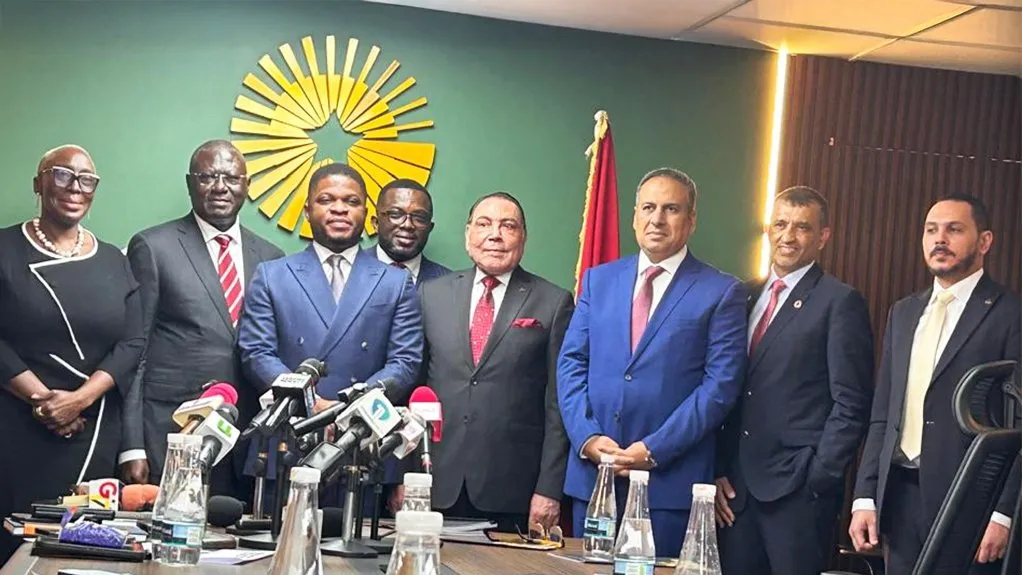
The decision by the Ghana Gold Board (GoldBod) to refine one tonne of gold every week through a partnership with Gold Coast Refinery Ltd represents one of the most consequential shifts in Ghana’s mineral policy in decades. It moves the country away from a long-standing model of exporting raw gold toward a more deliberate strategy of domestic value addition, industrial capability, and inclusive growth.
At its core, the agreement is not merely a commercial arrangement. It is a statement of intent about the future Ghana wants for its most valuable natural resource.

From Raw Exports to Industrial Ambition
Redefining Ghana’s Role in the Gold Value Chain
For years, Ghana has remained one of Africa’s leading gold producers while capturing only a fraction of the value generated from the metal. Refining abroad meant lost jobs, limited skills transfer, and minimal downstream industrial activity.
📢 GET A DETAILED ARTICLES + JOBS
Join ASJ's WhatsApp Channel and never miss a post or opportunity.

Associate Professor of Management at the University of Professional Studies, Accra, Prof. Rufai Haruna Kilu, describes the GoldBod–Gold Coast Refinery agreement as a “strategic intervention to transform Ghana’s gold industry.”
A structural shift
This move signals Ghana’s intention to transition from being a supplier of raw inputs to becoming a serious industrial player in the global gold economy—one that retains value, knowledge, and opportunity at home.

Socioeconomic Impact Beyond Foreign Exchange
Jobs, Skills, and Formalisation
Local gold refining offers benefits that extend far beyond foreign exchange savings. According to Prof. Kilu, the initiative creates a platform for building a resilient industrial ecosystem anchored in skilled labour and formalised production.
Direct and indirect employment
-
Technical and laboratory roles
-
Logistics, security, and administration
-
Equipment maintenance and support services
-
Supplier and transport networks
Equally important is the opportunity for Ghanaian engineers, metallurgists, and technicians to gain hands-on experience with modern refining technologies, reducing long-term reliance on foreign expertise.
Gender Inclusion in a Traditionally Male-Dominated Sector
Opening New Pathways for Women
Mining in Ghana has historically excluded women from higher-value roles. The refinery changes that dynamic.
Prof. Kilu notes that areas such as quality assurance, environmental management, finance, marketing, and administration present meaningful opportunities for women, including leadership roles over time.
Formalising artisanal mining
Transparent buying and refining systems also improve conditions for women involved in artisanal and small-scale mining, particularly traders and processors who often face barriers to capital and fair pricing.
“Fair pricing, safer working conditions, and income stability are now within reach,” Prof. Kilu argues.
Sustainability as an Operating Principle
Environmental, Economic, and Social Balance
Modern refining technology is expected to significantly reduce environmental harm through improved energy efficiency, safer chemical handling, and traceable sourcing.
Long-term sustainability
-
Discourages illegal mining
-
Strengthens regulatory oversight
-
Encourages responsible community engagement
Economic sustainability, Prof. Kilu adds, comes from predictability. Weekly refining volumes create consistency that encourages investment and supports downstream industries such as jewellery manufacturing and bullion trading.
Policy Alignment and the 24-Hour Economy
Industrial Policy in Action
The refinery agreement aligns closely with Ghana’s broader economic agenda, including the push for a 24-hour economy. Meeting weekly output targets will require continuous operations, efficient supply chains, and strong logistics.

Spillover benefits
-
Catering and support services
-
Banking and trade finance
“This partnership is a model for continuous productivity and efficiency,” Prof. Kilu notes, illustrating how industrial policy can translate into shared prosperity.
Conclusion: Refining More Than Gold
The GoldBod–Gold Coast Refinery agreement represents more than a new refining capacity. It is an attempt to redefine Ghana’s relationship with its natural resources—placing value addition, inclusion, and sustainability at the centre.
As Prof. Kilu aptly puts it, the initiative may end up refining more than gold. It could refine opportunity, equity, and long-term prosperity, setting a benchmark not only for Ghana but for responsible mining across Africa.
Source: Accra Street Journal
Last Updated on January 25, 2026 by Samuel Kwame Boadu
Disclaimer: Some content on Accra Street Journal may be aggregated, summarized, or edited from third-party sources for informational purposes. Images and media are used under fair use or royalty-free licenses. Accra Street Journal is a subsidiary of SamBoad Publishing Hub under SamBoad Business Group Ltd, registered in Ghana since 2014.
For concerns or inquiries, please visit our Privacy Policy or Contact Page.

Samuel Kwame Boadu is a Ghanaian media entrepreneur and storyteller with a passion for amplifying urban voices and uncovering everyday truths. He is the Editor-in-Chief and Founder of Accra Street Journal, a dynamic digital platform dedicated to capturing the pulse of Ghana’s capital—its people, culture, challenges, business, sports and innovations.