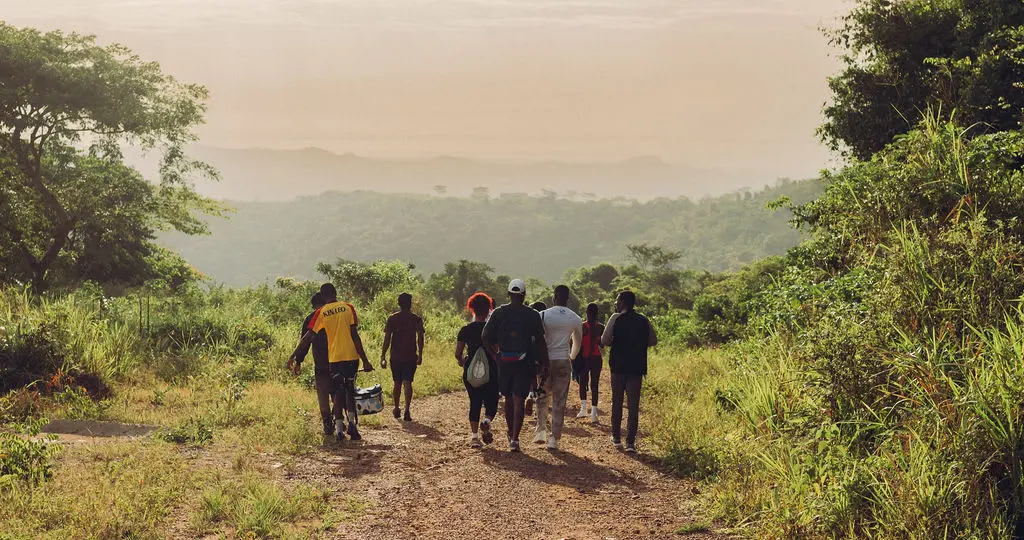
Travelling overland from Ghana to other West African countries is a real adventure—the kind where you watch the landscape shift, the architecture change, and experience the transitions in language, currency, and culture in real time . No direct bus services exist to many capitals, so the journey usually involves piecing together several legs. It’s not always smooth, but it’s one of the most revealing ways to understand the region as a continuous human story rather than a collection of separate countries .
The Classic Route: Ghana, Togo, and Benin
The most straightforward and well-trodden overland corridor runs east from Accra through Togo and into Benin . This route is a classic for good reason—it’s logistically manageable and culturally rich.

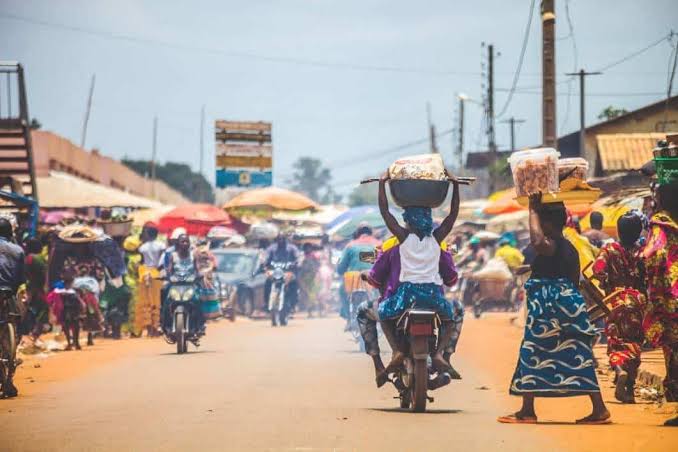
The Aflao Border Crossing: Your journey begins at Aflao, Ghana’s lively eastern gateway to Togo . This is one of West Africa’s busiest crossings, a bustling hub of traders and travellers . The sheer energy and chaos are part of the experience. As you cross, you’ll step from the Anglophone world into the Francophone, and your currency shifts from Ghana Cedis (GHS) to West African CFA francs (XOF) .
📢 GET A DETAILED ARTICLES + JOBS
Join ASJ's WhatsApp Channel and never miss a post or opportunity.

Lomé to the Benin Border: Once through the border and into Lomé, the Togolese capital, the road opens up. At the eastern edge of Togo, near the town of Aného, you’ll approach another busy crossing point into Benin. This is a place where the rhythm of West African life is at its most palpable: vehicles, goods, and people are constantly on the move .
Road Distances and Travel Times
The distances across West Africa are vast, and the journey times are significant. The following table gives you a realistic idea of the scale of the trip.

| Destination | Driving Distance | Estimated Driving Time | Key Route Information |
|---|---|---|---|
| Ouagadougou, Burkina Faso | 993 km | 12 h 45 min | Route via N10 north from Accra |
| Lomé, Togo | ~172 km | 3.5–4 hours | Eastern route via Aflao border |
| Abidjan, Côte d’Ivoire | ~790 km | ~10 hours | Western route via Elubo border |
| Lagos, Nigeria | ~410 km | 8–9 hours | Eastern route through Togo and Benin |
| Bissau, Guinea-Bissau | ~2,580 km | ~3 days | Multi-stage via Lomé, Bamako, Banjul |
These distances and times are for continuous driving. Your actual bus journey will be longer due to border crossings and layovers.
What You Need to Know Before You Go
Documents are Non-Negotiable: Your passport is your most important possession. Your yellow fever vaccination card is not optional; it will be checked at border crossings, and you can be denied entry without it . For countries requiring a visa, apply well in advance and carry printed copies of all approvals .
Money Matters: Bring clean, undamaged US dollar bills—older or damaged notes are often refused . The vast majority of your daily expenses—at markets, roadside stalls, and border posts—will require cash . Once you enter Togo, exchange a substantial amount of your money into CFA francs, as this currency will be valid for the rest of your journey through Francophone countries .
The Border Experience: Border posts are high-energy environments. Expect a process that can be time-consuming and involves navigating a lot of people . At checkpoints, you’ll need to present your passport and yellow fever certificate. Patience remains essential.
Recent Security Considerations
In August 2026, Ghana’s Ministry of Foreign Affairs advised Tijjaniya pilgrims against road travel to Senegal, citing security concerns along certain corridors leading to Dakar . The Ministry recommended air travel as the most preferred, safe, and secure means of transportation .
According to the advisory, concerns have arisen regarding security situations along certain road corridors leading to Dakar, particularly for persons undertaking long distance journeys by road . By February 2026, about 4,000 empty containers were stranded in Bamako after truck drivers became reluctant to make the return journey to Dakar, and by June 2026, Mali’s military was escorting nearly 1,000 trucks a week to keep supplies moving to Bamako . Attacks on transport convoys have also spread to routes previously regarded as safer, including the Conakry to Bamako route .
Travellers should check current security conditions before planning any long-distance overland journey and follow official government travel advisories.
For more destinations, transport options and road travel guides, explore our Complete Travel Guide from Accra.
Source: Accra Street Journal

Last Updated on September 5, 2026 by Samuel Kwame Boadu
Disclaimer: Some content on Accra Street Journal may be aggregated, summarized, or edited from third-party sources for informational purposes. Images and media are used under fair use or royalty-free licenses. Accra Street Journal is a subsidiary of SamBoad Publishing Hub under SamBoad Business Group Ltd, registered in Ghana since 2014.
For concerns or inquiries, please visit our Privacy Policy or Contact Page.

Samuel Kwame Boadu is a Ghanaian media entrepreneur and storyteller with a passion for amplifying urban voices and uncovering everyday truths. He is the Editor-in-Chief and Founder of Accra Street Journal, a dynamic digital platform dedicated to capturing the pulse of Ghana’s capital—its people, culture, challenges, business, sports and innovations.