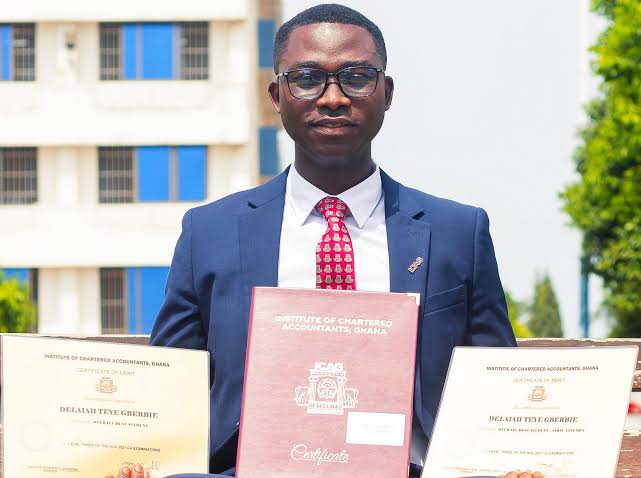










Landing a job interview is an accomplishment on its own, especially in Ghana’s competitive job market where thousands of young graduates enter the workforce every year. But securing the interview is only the first step. The real challenge lies in proving to employers that you’re the right fit for the role. Whether you’re applying for a corporate position in Accra, a digital marketing role in Kumasi, or a technical job in Takoradi, understanding what Ghanaian employers expect can dramatically improve your chances of success.
In a world where first impressions, communication skills, and professionalism matter more than ever, mastering the art of interviewing is crucial. For young professionals—especially recent graduates and early-career job seekers—preparing adequately can be the difference between receiving a job offer and being overlooked. This article by Accra Street Journal provides a comprehensive guide to top interview tips tailored specifically to Ghana’s job environment, helping you step into your next interview confident, prepared, and ready to excel.

1. Research the Company Thoroughly
One of the biggest mistakes young professionals make is arriving at an interview without a solid understanding of the company. Ghanaian employers value candidates who show genuine interest and awareness.
📢 GET A DETAILED ARTICLES + JOBS
Join ASJ's WhatsApp Channel and never miss a post or opportunity.

What to research:
-
The company’s mission and values
-
Products and services
-
Recent news or achievements
-
Industry competitors
This background knowledge helps you answer questions confidently and show how your skills align with the company’s goals.

2. Understand the Job Description in Detail
Every role has expectations, and interviewers want to know if you truly understand them. Read the job description carefully and identify:
-
Required skills
-
Responsibilities
-
Educational or technical expectations
-
Experience level
Prepare examples of how your past work, internships, or school projects match these requirements.
3. Practice the Most Common Interview Questions
Young professionals in Ghana often face similar interview questions across industries. Preparing answers helps reduce anxiety and increases clarity.
Expect questions like:
-
“Tell us about yourself.”
-
“Why should we hire you?”
-
“What are your strengths and weaknesses?”
-
“Where do you see yourself in five years?”
-
“How do you handle pressure or conflict?”
Practice out loud to improve confidence and delivery.
4. Prepare STAR-Format Answers
The STAR method—Situation, Task, Action, Result—is a powerful way to answer behavioral questions.
Example:
“Tell me about a time you solved a challenge.”
-
Situation: Describe the context.
-
Task: Explain your responsibility.
-
Action: What you did.
-
Result: The positive outcome.
This format keeps your answers structured and professional.
5. Dress Professionally and Appropriately
Appearance matters, and Ghanaian employers often expect candidates to dress conservatively for interviews.

General advice:
-
Wear clean, well-fitted clothes.
-
Avoid overly bright colours.
-
Keep accessories minimal.
-
Maintain good hygiene and grooming.
For virtual interviews, dressing well still matters as it affects your confidence and professionalism.
6. Arrive Early or Log In On Time
Punctuality is a major sign of professionalism. Arriving late can immediately hurt your chances, no matter how qualified you are.
Best practice:
-
Arrive 10–15 minutes early.
-
For virtual interviews, test your internet and background at least 30 minutes ahead.
7. Bring the Right Documents
Ghanaian employers typically appreciate organization. Prepare a neat file containing:
-
Printed CV copies
-
Certificates
-
Portfolio or work samples
-
National ID
-
Reference letters (if required)
Having everything ready shows responsibility and seriousness.
8. Demonstrate Soft Skills Employers Value
Beyond your CV, employers observe your interpersonal skills. These include:
-
Communication
-
Confidence
-
Positive attitude
-
Teamwork ability
-
Listening skills
Soft skills often determine whether an employer believes you will fit into the company culture.
9. Ask Smart and Relevant Questions
At the end of most interviews, candidates are given the opportunity to ask questions. This is your moment to demonstrate enthusiasm and strategic thinking.
Ask questions like:
-
“What does success in this role look like?”
-
“What are the biggest challenges for this position?”
-
“How does your team collaborate?”
Avoid questions about salary unless the interviewer brings it up.

10. Follow Up Professionally
Many young job seekers overlook follow-up messages, but a simple thank-you email can keep you top-of-mind.
Include:
-
Appreciation for the opportunity
-
A brief reminder of your strengths
-
Your interest in the role
This shows professionalism and reinforces your commitment.
FAQs
1. What should I avoid saying during a job interview in Ghana?
Avoid complaining about past employers, mentioning salary too early, or giving overly personal details.
2. How long should my answers be?
Aim for clear, concise answers—30 to 60 seconds—unless asked to elaborate.
3. What if I don’t have work experience?
Use school projects, internships, volunteering activities, and skills to demonstrate capability.
4. How do I handle questions I don’t know the answer to?
Stay calm, think briefly, and respond honestly. You can also relate the question to similar knowledge or experience.
5. Is it okay to follow up multiple times?
Follow up once after the interview, and only again if the employer gave a timeline that has passed.
Source: Accra Street Journal
Last Updated on November 25, 2025 by Samuel Kwame Boadu
Disclaimer: Some content on Accra Street Journal may be aggregated, summarized, or edited from third-party sources for informational purposes. Images and media are used under fair use or royalty-free licenses. Accra Street Journal is a subsidiary of SamBoad Publishing Hub under SamBoad Business Group Ltd, registered in Ghana since 2014.
For concerns or inquiries, please visit our Privacy Policy or Contact Page.

Samuel Kwame Boadu is a Ghanaian media entrepreneur and storyteller with a passion for amplifying urban voices and uncovering everyday truths. He is the Editor-in-Chief and Founder of Accra Street Journal, a dynamic digital platform dedicated to capturing the pulse of Ghana’s capital—its people, culture, challenges, business, sports and innovations.