





4 min read
Zambia has crossed a quiet but consequential financial line.
Africa’s second-largest copper producer has become the first country on the continent to formally accept China’s yuan for mining taxes and royalties, a move that underscores how Beijing’s influence in Africa’s resource sector is now extending beyond infrastructure and debt — into currency dominance.
Key Takeaways
- Chinese firms dominate Zambia’s mining landscape, and China remains the largest destination for Zambian copper exports.
- Last month, the Bank of Zambia began publishing an official renminbi–kwacha exchange rate, giving mining companies the option to sell either dollars or yuan to meet their tax liabilities.
- Q1: Why is Zambia accepting mining taxes in yuan?Because China is Zambia’s largest copper buyer and creditor, and yuan payments reduce currency conversion costs and support reserve diversification.
The Bank of Zambia confirmed that payments in renminbi began in October, allowing Chinese mining companies operating in the country to settle part of their tax obligations in yuan rather than U.S. dollars.
For a nation whose economic fortunes are deeply tied to copper — and whose largest buyer and creditor is China — the shift reflects pragmatism as much as geopolitics.
Copper, China and Currency Reality
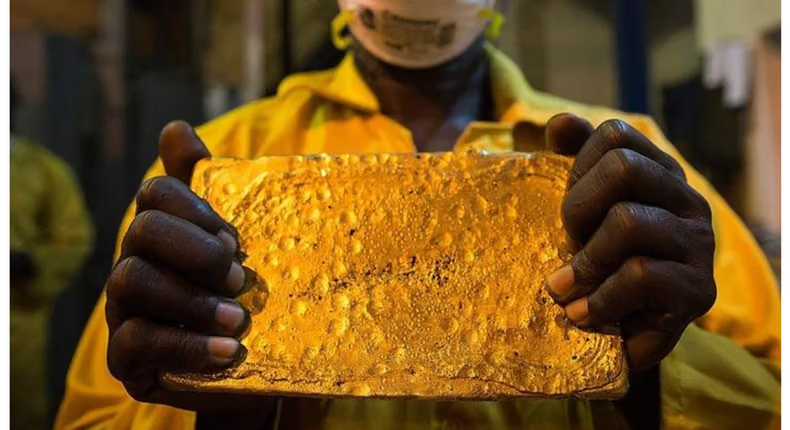
Chinese firms dominate Zambia’s mining landscape, and China remains the largest destination for Zambian copper exports. Many of those exporters are already paid in renminbi for shipments to China.
Allowing taxes to be paid in the same currency, the central bank said, simply aligns fiscal policy with trade reality.
“A large portion of copper exports go to China, and Chinese mining firms already receive some, if not all, of their export proceeds in renminbi,” the Bank of Zambia said, adding that yuan accumulation supports its reserve diversification strategy.
In effect, Zambia is shortening the currency loop — from copper exports to tax payments to debt servicing, all increasingly denominated in China’s currency.
Debt Servicing, Cheaper and Faster
There is a second, less symbolic reason behind the move: debt math.
Holding yuan allows Zambia to service its Chinese obligations more cheaply, avoiding repeated conversions through the dollar. The central bank said the policy would enable Zambia to meet repayments to China “in a more cost-effective manner.”

Last month, the Bank of Zambia began publishing an official renminbi–kwacha exchange rate, giving mining companies the option to sell either dollars or yuan to meet their tax liabilities.
It builds on rules introduced during Zambia’s debt crisis that required miners to sell foreign currency to the central bank to shore up depleted reserves — a policy now adapted to China’s growing role in the economy.

Africa as China’s Currency Test Bed
Zambia’s move is part of a broader, carefully calibrated push by Beijing to internationalise the yuan, with Africa emerging as a proving ground.
-
Kenya recently converted part of its Chinese debt into yuan, a restructuring expected to save the country about $250 million annually on a $5 billion railway loan.
-
Ethiopia has opened talks to pursue a similar strategy.
-
Zambia itself has previously signalled openness to deeper yuan-denominated financing.
What makes Zambia’s decision different is that it reaches directly into state revenue collection — not just debt accounting.
From Minerals to Monetary Influence
For decades, Africa exported minerals priced in dollars, borrowed in dollars, and paid taxes in dollars — even when China was the dominant trade partner.
Zambia’s decision suggests that equation is beginning to change.
The copper still flows out. But increasingly, the money flows back in yuan.
For Beijing, it is a quiet strategic win: minerals secured, debts serviced, and currency adoption expanding — without formal declarations or confrontations.
For Africa’s resource economies, Zambia may be a bellwether. The question now is not whether others will follow — but how far the yuan will travel before the dollar notices.
FAQs
Q1: Why is Zambia accepting mining taxes in yuan?
Because China is Zambia’s largest copper buyer and creditor, and yuan payments reduce currency conversion costs and support reserve diversification.
Q2: Is Zambia abandoning the U.S. dollar?
No. Mining companies can choose to pay taxes in either dollars or yuan.
Q3: When did the policy start?
Payments in renminbi began in October 2025.

Q4: Does this affect Zambia’s debt strategy?
Yes. Holding yuan makes it cheaper to service Chinese debt obligations.
Q5: Could other African countries follow?
Yes. Kenya and Ethiopia are already moving in similar directions, particularly where Chinese debt exposure is high.
Source: Accra Street Journal
Last Updated on March 9, 2026 by Samuel Kwame Boadu
Disclaimer: Some content on Accra Street Journal may be aggregated, summarized, or edited from third-party sources for informational purposes. Images and media are used under fair use or royalty-free licenses. Accra Street Journal is a subsidiary of SamBoad Publishing Hub under SamBoad Business Group Ltd, registered in Ghana since 2014.
For concerns or inquiries, please visit our Privacy Policy or Contact Page.

Samuel Kwame Boadu is a Ghanaian media entrepreneur and storyteller with a passion for amplifying urban voices and uncovering everyday truths. He is the Editor-in-Chief and Founder of Accra Street Journal, a dynamic digital platform dedicated to capturing the pulse of Ghana’s capital—its people, culture, challenges, business, sports and innovations.
Use the following reference when citing or referencing this article.
Your feedback helps us improve our journalism.
Report an Error
Help us maintain accuracy. Let our editorial team know if you spot an issue in this article.
Report a problem with this article