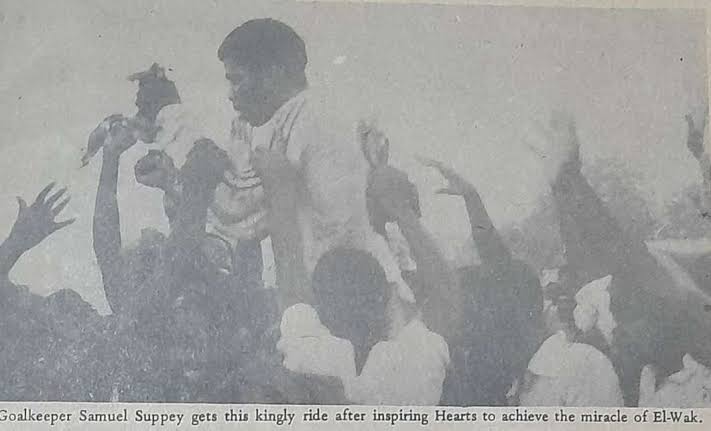
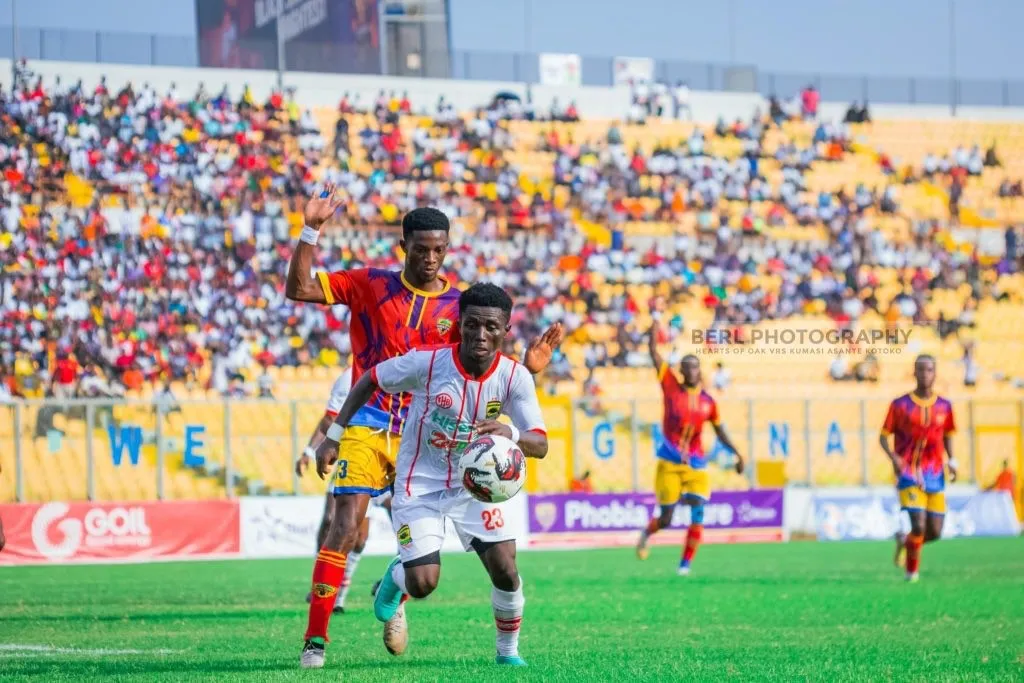
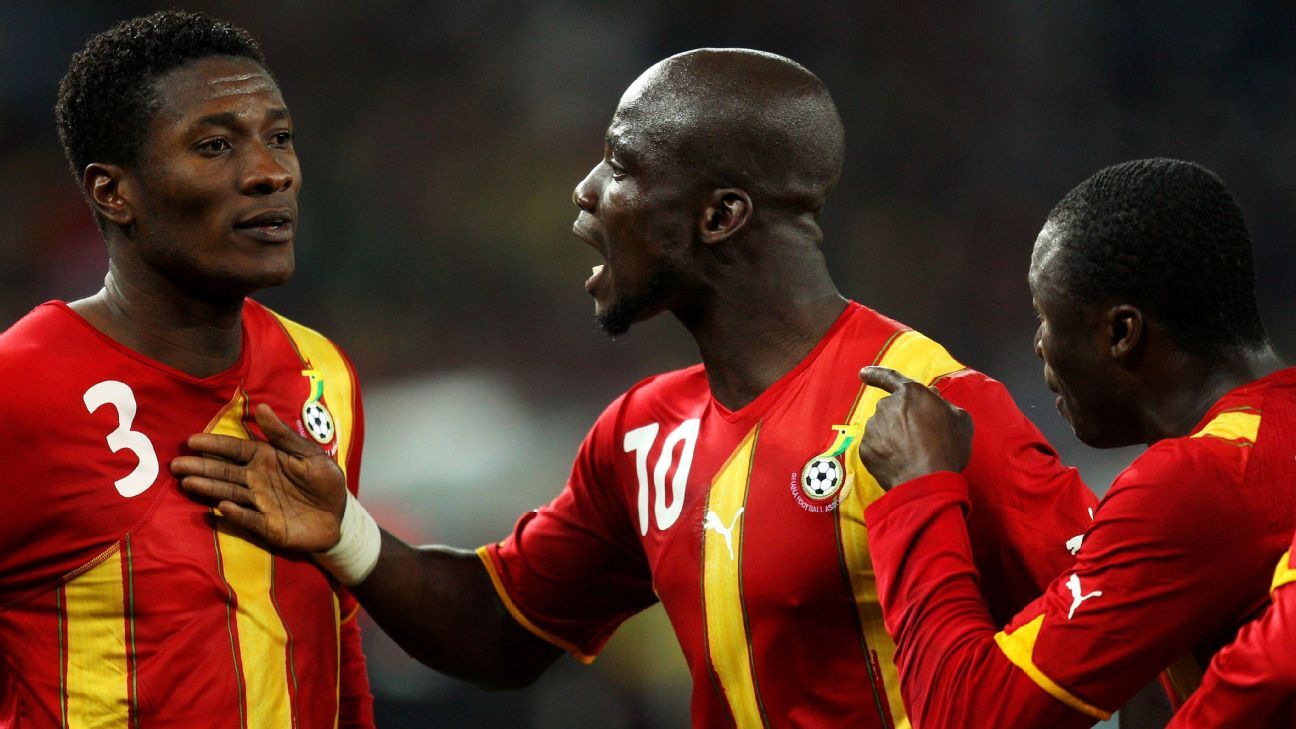
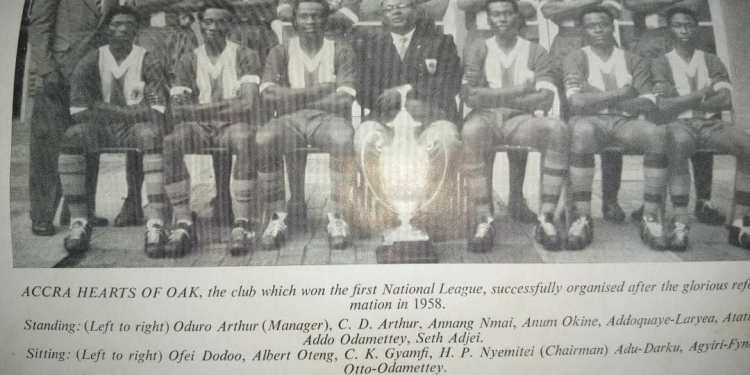
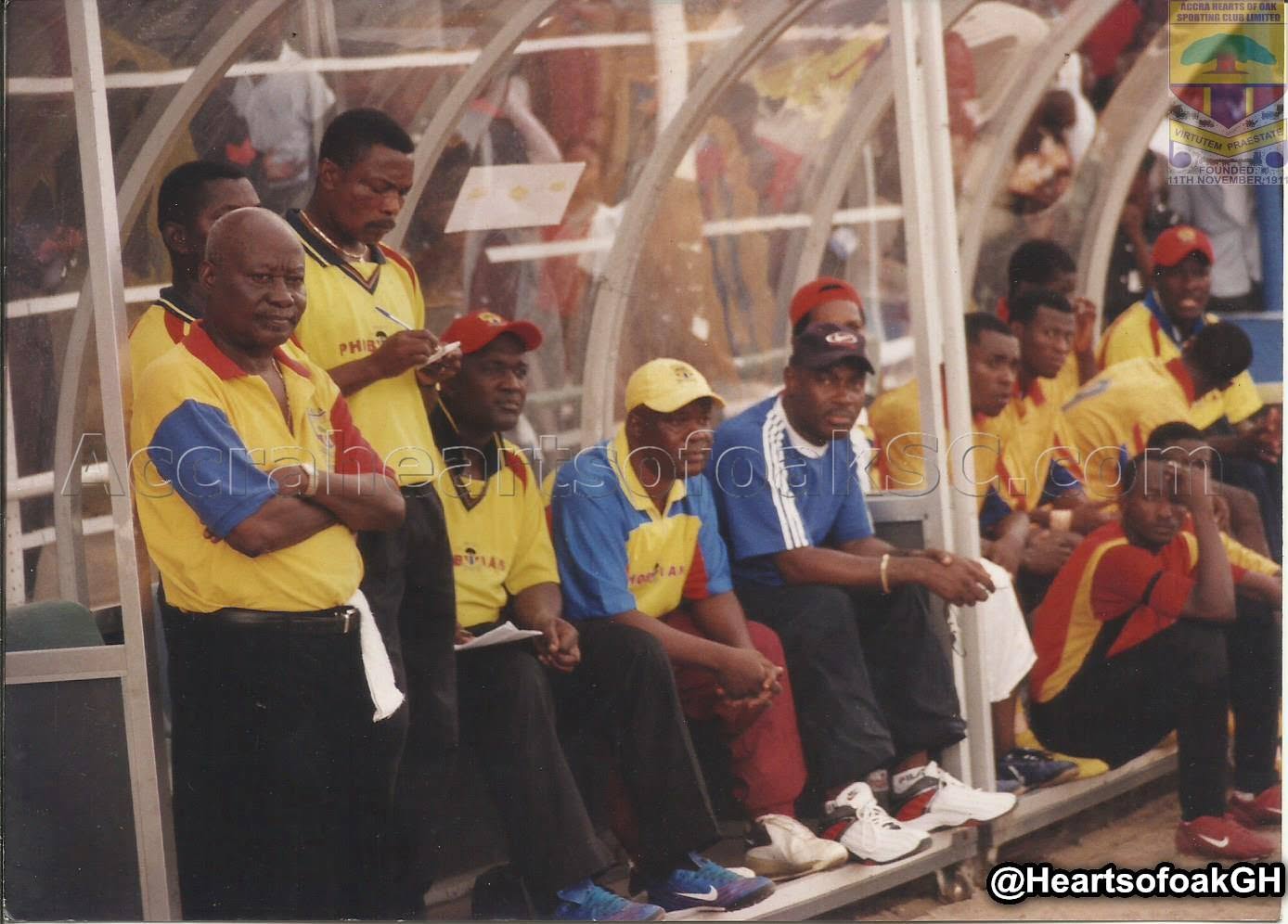
On the evening of 6 November 1977, a Ghanaian football club did something that no one believed possible. Trailing by three goals from the first leg, and playing without the home advantage of their own stadium, Accra Hearts of Oak scored three times in the second half to reach their first-ever African Cup of Champions Clubs final. Nearly five decades later, the match is still spoken of in the same breath as the greatest comebacks in African football.
The Deficit That Seemed Insurmountable
Two weeks before the miracle, Hearts of Oak had been beaten 5–2 by Zambia’s Mufulira Wanderers in Lusaka in the first leg of the semi-final. It was a heavy defeat, the kind that usually ends a campaign. To advance under the away-goals rule, Hearts needed to win 3–0 without conceding at home.
- Two weeks before the miracle, Hearts of Oak had been beaten 5–2 by Zambia's Mufulira Wanderers in Lusaka in the first leg of the semi-final.
- To advance under the away-goals rule, Hearts needed to win 3–0 without conceding at home.
- The second leg was played on 6 November 1977 at the El Wak Sports Stadium in Accra, because the Accra Sports Stadium was closed for renovations ahead of the 1978 Africa Cup of Nations.
The mathematics were brutal. A single away goal for Wanderers would have required Hearts to score four. A 2–0 win was not enough. The team had to be perfect in defence and ruthless in attack, against a Zambian side that had already shown it could score freely.
The context made it harder. The match could not be played at the Accra Sports Stadium, which was closed for renovations ahead of the 1978 Africa Cup of Nations. Instead, it was moved to the El Wak Sports Stadium, a smaller ground with a different atmosphere and a different pitch.
The Fearsome Five
The comeback was built on the most celebrated forward line in Ghanaian club football. The Fearsome Five—Mohammed Polo, Peter Lamptey, Anas Seidu, Robert Hammond, and Adolph Armah—were masterminded by coach Gyamfi, and each brought a different quality to the attack.
Mohammed Polo, known as the King of Dribbling, was the crown jewel. An exceptionally gifted left-footed playmaker, his vision and close control unlocked defences. He was not fully fit for the El-Wak match, but his contribution was decisive.
Peter Lamptey, the Goal King, was the finisher. His positioning inside the penalty area was immaculate, and he rarely missed a chance when it arrived.
Anas Seidu, the Thunder, was the explosive winger. His physical strength and blistering pace tore down the flanks, and his shot was ferocious. He would score two of the three goals that night.
Robert Hammond, the Expensive, was the technical link. An intelligent midfielder-forward, he dictated the tempo and connected the midfield to the frontline.
Adolph Armah was the anchor. While the others pushed forward, he recovered possession, drove the transition, and fed the wingers. He was the tactical balance that allowed the Fearsome Five to attack without leaving the team exposed.
The First Half: Tension Without Release
The first half ended 0–0.
It was not a calm 0–0. It was the kind of scoreline that tightens the chest. The home side had the ball, the crowd, and the occasion, but the goal would not come. The pressure of the deficit, the smaller stadium, the knowledge that a single away goal would end the tie—all of it weighed on the players. The game was tense and, by the standards of the Fearsome Five, dull. The breakthrough had to come. The question was whether it would arrive in time.
The Second Half: Three Moments That Changed Everything
Hearts shifted gears after the break. What followed was one of the most concentrated bursts of attacking football in the club’s history.
The 59th minute. Mohammed Polo, playing despite not being fully fit, delivered a cross that Anas Seidu slotted home. The deadlock was broken. The score was 1–0, and the aggregate was now 5–3 in Wanderers’ favour. Hearts needed two more goals without reply.
The 79th minute. Polo, now finding space that had not existed in the first half, dribbled through the Wanderers defence and set up Peter Lamptey, who flicked the ball past the goalkeeper. It was 2–0. The aggregate was 5–4. One more goal would level the tie and send Hearts through on away goals.
The 88th minute. With two minutes left before full time, Anas Seidu struck again. The golden third goal. The stadium erupted. The final whistle confirmed what had seemed impossible: Hearts of Oak had won 3–0, levelled the aggregate at 5–5, and qualified for the final on the away goals rule.
The match entered Ghanaian football folklore as the Miracle of El-Wak.
The 1977 Final: Heartbreak in Conakry
The miracle did not carry through to the ultimate prize.
Hearts advanced to face Hafia FC of Conakry, the Guinean giants, in the two-legged final of the African Cup of Champions Clubs. It was the club’s first-ever continental final, and the achievement of reaching it was itself historic.
The first leg was played at the Accra Sports Stadium. Hearts lost 0–1, conceding a costly away goal. On home soil, against a resilient Guinean defence, they could not find the breakthrough.
The second leg was played at the Stade du 28 Septembre in Conakry. It was a chaotic, high-scoring affair. Hearts fought bravely and scored twice, but Hafia scored three. The aggregate finished 4–2 in Hafia’s favour. Hafia FC were crowned champions. Hearts of Oak were runners-up in their first continental final.
The final defeat does not diminish the El-Wak miracle. If anything, it sharpens the memory. The 1977 squad is revered not because they won the trophy, but because they proved something that Ghanaian clubs had not fully believed before: no deficit was too large to overcome on the continent.
Why the Miracle Still Matters
The Miracle of El-Wak is more than a football story. It is a lesson in what belief, tactical discipline, and a group of exceptional players can achieve when the odds are stacked against them.
It demonstrated that Ghanaian clubs could compete at the highest level in Africa. It showed that home advantage could be manufactured in an unfamiliar stadium. And it showed that a team with a world-class attacking unit could turn a seemingly dead tie into a night of delirium.
For Hearts of Oak, the match remains the defining moment of the club’s continental history. For Ghanaian football, it remains the standard against which every comeback is measured.
The final was lost. The miracle was not.
Quick Facts
The first leg was played in Lusaka, Zambia, where Mufulira Wanderers beat Hearts of Oak 5–2. The second leg was played on 6 November 1977 at the El Wak Sports Stadium in Accra, because the Accra Sports Stadium was closed for renovations ahead of the 1978 Africa Cup of Nations. The first half ended 0–0. Anas Seidu scored in the 59th minute from a Mohammed Polo cross. Peter Lamptey scored in the 79th minute after a Polo dribble. Anas Seidu scored the third in the 88th minute. Hearts won 3–0, levelling the aggregate at 5–5 and advancing on the away goals rule. They faced Hafia FC in the final, losing 0–1 at home and 3–2 away, for a 4–2 aggregate defeat. The Fearsome Five were Mohammed Polo, Peter Lamptey, Anas Seidu, Robert Hammond, and Adolph Armah. The coach was Gyamfi.
Frequently Asked Questions
1. What was the Miracle of El-Wak?
It was Hearts of Oak’s 3–0 comeback against Mufulira Wanderers on 6 November 1977 at the El Wak Sports Stadium, overturning a 5–2 first-leg deficit to reach the African Cup of Champions Clubs final on the away goals rule.
2. Why was the match played at El Wak Stadium instead of the Accra Sports Stadium?
The Accra Sports Stadium was closed for renovations ahead of the 1978 Africa Cup of Nations, so the match was moved to El Wak.
3. Who scored the goals in the comeback?
Anas Seidu scored in the 59th minute and again in the 88th minute. Peter Lamptey scored in the 79th minute. Mohammed Polo provided the assist for the first and second goals.
4. What was the aggregate score after the second leg?
The aggregate finished 5–5. Hearts of Oak advanced on the away goals rule.
5. Who were the Fearsome Five?
Mohammed Polo, Peter Lamptey, Anas Seidu, Robert Hammond, and Adolph Armah. They were the legendary forward line of Hearts of Oak in the late 1970s, coached by Gyamfi.
6. What happened in the 1977 final?
Hearts of Oak faced Hafia FC of Conakry. They lost 0–1 at home in the first leg and 3–2 away in the second leg, for a 4–2 aggregate defeat. Hafia FC were crowned champions.
7. Was Mohammed Polo fully fit for the El-Wak match?
No. He was under-fit, but he still delivered the cross for the first goal and set up the second with a dribble through the Wanderers defence.
8. Why is the match still remembered today?
Because it proved that no deficit was too large to overcome on the continent. It remains the defining moment of Hearts of Oak’s continental history and the standard against which every Ghanaian comeback is measured.
9. What was the significance of the away goals rule?
Hearts needed to win 3–0 without conceding. A single away goal for Wanderers would have required Hearts to score four. The 3–0 win levelled the aggregate and sent Hearts through on away goals.
10. Did Hearts of Oak win the trophy that year?
No. They reached the final but lost to Hafia FC. The 1977 squad is revered for the comeback, not for winning the trophy.