








5 min read
Accra’s business landscape is evolving — and women are at the center of that transformation.
From market traders and fashion designers to tech founders and hospitality operators, female-owned businesses are playing an increasingly powerful role in shaping the capital’s commercial identity. What was once a space dominated by male-led enterprises is now seeing a strong and steady rise in women entrepreneurs building sustainable brands, generating employment, and influencing consumer culture.
Key Takeaways
- From market traders and fashion designers to tech founders and hospitality operators, female-owned businesses are playing an increasingly powerful role in shaping the capital’s commercial identity.
- What was once a space dominated by male-led enterprises is now seeing a strong and steady rise in women entrepreneurs building sustainable brands, generating employment, and influencing consumer culture.
- Why are female-owned businesses increasing in Accra?Improved access to digital platforms, education, and entrepreneurship training has encouraged more women to start and scale businesses.
The growing influence of female-owned businesses in Accra is not a trend. It is a structural shift in the city’s economic story.
1. A Strong Presence in the Informal Sector
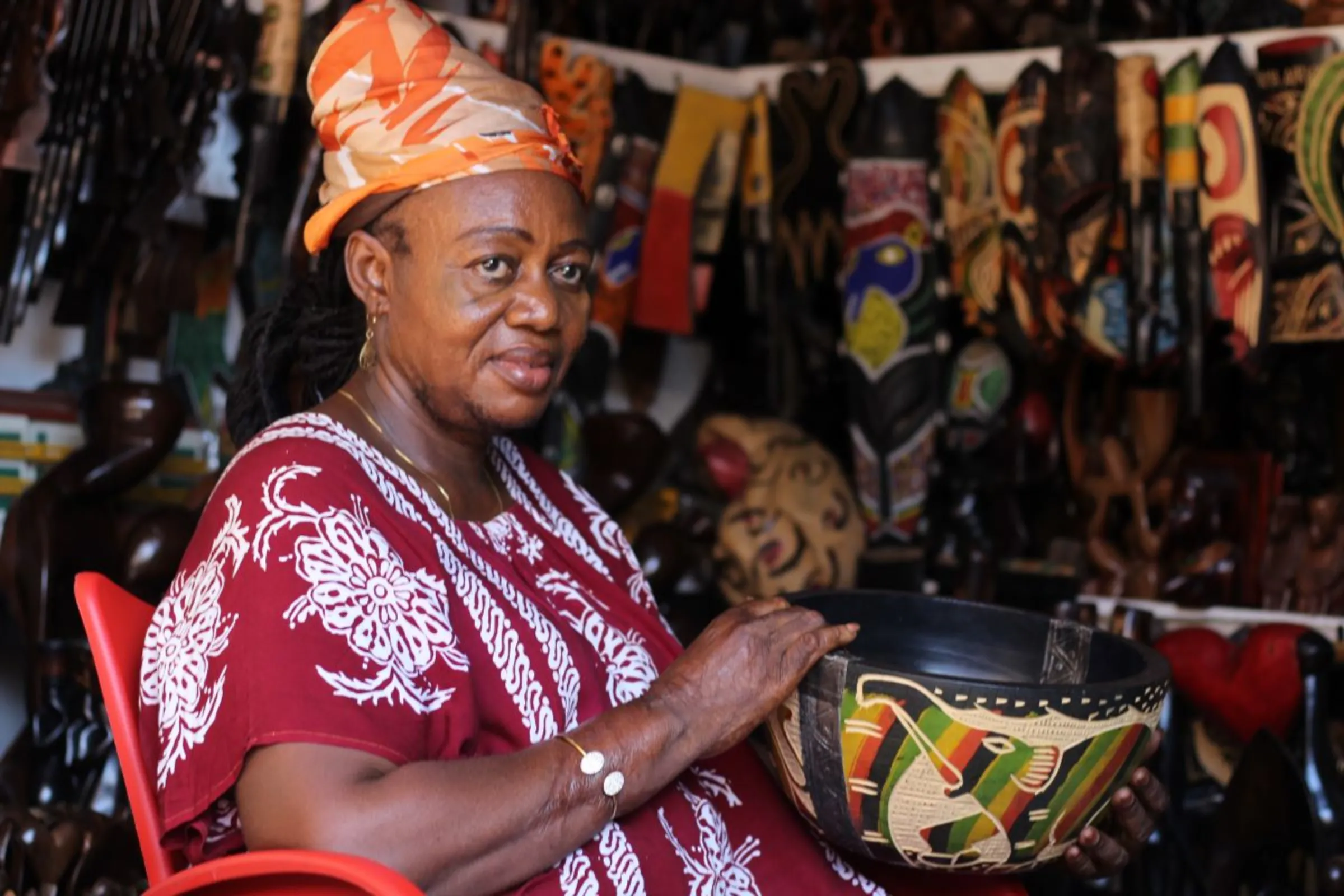
Women have long been active participants in Accra’s informal economy.
Across major markets and roadside stalls, female traders dominate the sale of food items, textiles, household goods, and fresh produce. These businesses often operate with limited capital but maintain strong customer loyalty and consistent cash flow.
In many households, income from female-led microbusinesses supports:
Their economic contribution at the community level is substantial.
2. Expansion into Formal Enterprises
While women have historically been visible in informal trade, there is now clear expansion into formal business structures.
Female entrepreneurs in Accra are increasingly:
-
Registering companies
-
Building corporate brands
-
Operating in office spaces
-
Scaling beyond local neighborhoods
Industries seeing strong female participation include:

-
Fashion and apparel
-
Food processing
-
Beauty and wellness
-
Event planning
-
Retail and e-commerce
-
Professional services
This shift reflects growing access to education, training, and digital tools.
3. The Digital Advantage
Social media and mobile technology have lowered barriers to entry for women in business.

Platforms such as:
-
Instagram storefronts
-
WhatsApp marketing
Allow female entrepreneurs to operate without heavy overhead costs.
Digital payments and delivery services further support this growth, enabling women to manage businesses from home, flexible workspaces, or shared offices.
Technology has accelerated female entrepreneurship in Accra.
4. Job Creation and Employment Impact
Female-owned businesses contribute directly to job creation.
As women scale operations, they hire:
-
Sales assistants
-
Production staff
-
Customer service representatives
-
Delivery personnel
Many female entrepreneurs intentionally hire other women, creating employment chains that strengthen economic participation.
This multiplier effect strengthens household incomes and community stability.
5. Influence on Consumer Trends
Women-owned brands often shape purchasing behavior.
In sectors like fashion, skincare, catering, and lifestyle products, female entrepreneurs frequently introduce:

-
Locally inspired designs
-
Health-conscious food alternatives
-
Sustainable packaging
-
Customer-focused branding
Their businesses often respond closely to market preferences because many operate within the same communities they serve.
Consumer culture in Accra is increasingly influenced by female-driven innovation.
6. Access to Finance and Capital Challenges
Despite growth, female entrepreneurs still face structural barriers.
Access to capital remains one of the biggest obstacles.
Challenges include:
-
Limited collateral
-
Higher loan scrutiny
-
Informal financial structures
-
Smaller starting capital pools
However, savings groups, cooperative models, and digital finance platforms have helped bridge some gaps.
Financial inclusion remains central to accelerating their growth.
7. Balancing Entrepreneurship and Family Responsibilities
Many female entrepreneurs in Accra balance business with household responsibilities.
This dual role requires:
-
Flexible scheduling
-
Home-based operations
-
Delegation strategies
-
Time management discipline
While this balancing act can be challenging, it also demonstrates resilience and adaptive leadership.
Female entrepreneurship often grows alongside family responsibility rather than separate from it.
8. Influence in Emerging Industries
Women are increasingly visible in:
-
Creative industries
-
Agribusiness processing
-
Health and wellness enterprises
Their presence in these sectors signals broader diversification beyond traditional retail.
As education access expands and mentorship networks strengthen, female leadership in new industries is expected to increase further.
9. Community and Mentorship Networks
Women in Accra are building supportive business communities.
Networking events, mentorship groups, and collaborative platforms encourage:
-
Knowledge sharing
-
Market access expansion
-
Partnership formation
-
Brand visibility
These networks reduce isolation and increase collective growth potential.
Collaboration strengthens sustainability.
10. Economic Significance for Accra
The growth of female-owned businesses contributes to:
-
Economic diversification
-
Household income stability
-
Innovation in product development
-
Strengthened informal-to-formal transitions
As women expand their economic footprint, Accra’s business ecosystem becomes more inclusive and resilient.
Gender participation strengthens overall economic performance.
The Broader Urban Impact
Female entrepreneurship is influencing more than profit margins.
It is reshaping:
-
Workplace culture
-
Customer engagement strategies
-
Brand storytelling
-
Community-focused business models
Women-led enterprises often prioritize relationship-building, trust, and repeat customers — qualities essential in Accra’s commerce-driven society.
Their influence is not only financial. It is cultural.
Final Thoughts From ASJ
The growing influence of female-owned businesses in Accra reflects determination, adaptation, and economic transformation.
From micro-enterprises in local markets to structured corporate brands operating online and offline, women are redefining entrepreneurship in Ghana’s capital.
Challenges remain — particularly in access to finance and structural support — but the upward trajectory is clear.
Female entrepreneurs are not merely participating in Accra’s economy.
They are shaping it.
FAQs
1. Why are female-owned businesses increasing in Accra?
Improved access to digital platforms, education, and entrepreneurship training has encouraged more women to start and scale businesses.
2. Which sectors have strong female participation?
Fashion, catering, beauty, retail, e-commerce, agribusiness processing, and professional services show strong female leadership.
3. What challenges do female entrepreneurs face?
Access to capital, balancing family responsibilities, and navigating regulatory requirements are common challenges.
4. How do female-owned businesses impact the economy?
They create jobs, stabilize household incomes, and introduce innovation across consumer markets.
5. Is female entrepreneurship expected to continue growing in Accra?
Yes. Digital tools, mentorship networks, and increasing economic participation suggest sustained growth.
Source: Accra Street Journal
Last Updated on March 9, 2026 by Samuel Kwame Boadu
Disclaimer: Some content on Accra Street Journal may be aggregated, summarized, or edited from third-party sources for informational purposes. Images and media are used under fair use or royalty-free licenses. Accra Street Journal is a subsidiary of SamBoad Publishing Hub under SamBoad Business Group Ltd, registered in Ghana since 2014.
For concerns or inquiries, please visit our Privacy Policy or Contact Page.

Samuel Kwame Boadu is a Ghanaian media entrepreneur and storyteller with a passion for amplifying urban voices and uncovering everyday truths. He is the Editor-in-Chief and Founder of Accra Street Journal, a dynamic digital platform dedicated to capturing the pulse of Ghana’s capital—its people, culture, challenges, business, sports and innovations.
Use the following reference when citing or referencing this article.
Your feedback helps us improve our journalism.
Report an Error
Help us maintain accuracy. Let our editorial team know if you spot an issue in this article.
Report a problem with this article