










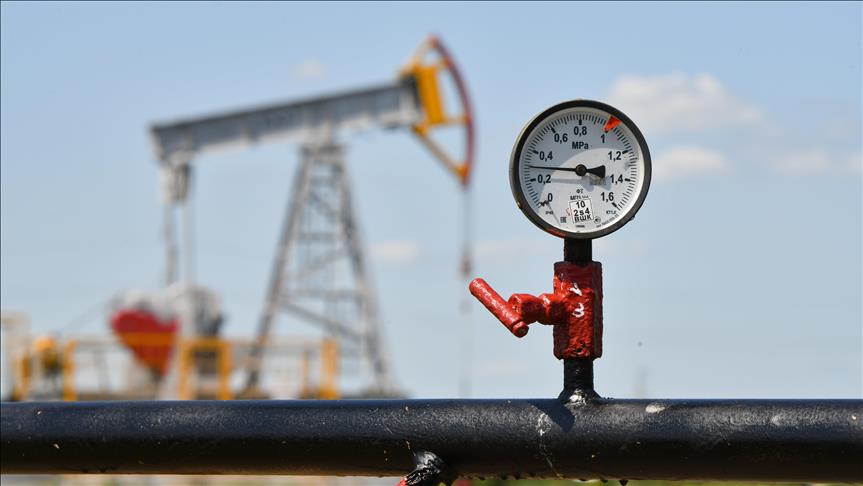
Global oil markets are once again navigating a familiar but dangerous intersection of geopolitics and energy security. Brent crude is trading near the $72–$73 per barrel range, sustaining sharp gains recorded at the close of the week as tensions in the Middle East inject renewed uncertainty into global supply expectations.
The benchmark contract for global oil pricing, Brent Crude, has climbed to multi-month highs following reports of coordinated military strikes involving the United States and Israel targeting Iranian assets, followed by retaliatory responses across the Gulf region. While there has been no confirmed large-scale physical disruption to oil exports, markets are reacting to something equally powerful: risk perception.

At its core, the recent rally reflects the re-emergence of a geopolitical risk premium embedded into oil pricing. In energy markets, perception often moves prices faster than confirmed supply shortages. When the possibility of instability looms over a region responsible for a significant share of global crude exports, traders move swiftly to price in worst-case scenarios.
📢 GET A DETAILED ARTICLES + JOBS
Join ASJ's WhatsApp Channel and never miss a post or opportunity.

The Strait of Hormuz Factor
Central to market anxiety is the Strait of Hormuz — the narrow maritime corridor through which roughly one-fifth of the world’s oil passes daily. This chokepoint has long been considered one of the most strategically sensitive locations in global trade.
Any threat — whether through military escalation, sanctions enforcement, tanker disruptions, or blockades — instantly reverberates across futures markets. Even unconfirmed risks can lead to aggressive buying as refiners, traders, and hedge funds seek protection against potential shortages.

It is important to note that as of now, no confirmed shutdown of shipping lanes or destruction of critical export infrastructure has occurred. However, oil markets do not wait for confirmation. They react to probability.
A Risk Premium, Not a Supply Shock — Yet
On Friday, Brent settled around $72.48 per barrel, rising more than two percent in a single session. The move marked one of the strongest short-term rallies in recent months and pushed prices to their highest levels in several months.
Energy analysts suggest the current price action is precautionary positioning rather than evidence of immediate barrel losses. In practical terms, that means traders are buying protection, not responding to missing cargoes.
This distinction matters.
If crude exports from the region continue uninterrupted, prices could stabilize within the current band. However, if infrastructure, production facilities, or tanker routes become directly affected, the situation could shift quickly from speculative pricing to structural supply disruption.
Could Oil Reach $80?
Financial institutions and commodity desks are already modeling escalation scenarios. Should hostilities intensify or expand geographically, analysts suggest Brent could approach $80 per barrel or higher. That threshold carries broader macroeconomic implications.
Higher oil prices translate into:
-
Increased transportation costs
-
Elevated fuel prices for consumers
-
Rising production costs for manufacturers
-
Renewed inflationary pressures globally
For economies that have only recently begun stabilizing inflation trends, a sustained oil surge could complicate monetary policy decisions. Central banks that were preparing for interest rate adjustments may find themselves reassessing.
OPEC+ in the Spotlight
The producer alliance known as OPEC+ is now under renewed scrutiny. The group, which includes traditional OPEC members and key partners such as Russia, faces a delicate balancing act.

On one hand, higher prices benefit producers and strengthen fiscal revenues. On the other, an uncontrolled spike risks triggering demand destruction, political backlash, and economic slowdown in major consuming nations.
Market observers suggest upcoming OPEC+ meetings could include discussions about output adjustments aimed at stabilizing prices. Whether the group opts to increase supply to calm markets or maintain discipline to support price levels remains uncertain.
Volatility Returns to Energy Markets
The oil market’s reaction underscores a broader theme: volatility is back.
Over the past year, crude markets have oscillated between demand concerns, recession fears, production cuts, and geopolitical flare-ups. What makes the current moment different is the concentration of risk in a region that plays a pivotal role in global supply chains.
Energy traders are likely to remain cautious heading into the next trading week. Weekend developments in geopolitics often set the tone for Monday’s opening prices. Any statement, retaliation, or diplomatic breakthrough could swing markets sharply in either direction.
The Broader Economic Implications
Oil remains a foundational input in the global economy. When crude prices rise sharply:
-
Airlines face higher jet fuel costs
-
Shipping rates increase
-
Food production costs escalate due to fuel and fertilizer pricing
-
Emerging markets face currency pressures if import bills rise
Countries that are net oil importers are particularly vulnerable. Their trade balances can deteriorate rapidly if crude prices climb significantly and remain elevated.
Conversely, oil-exporting nations may benefit from improved fiscal positions, increased foreign exchange inflows, and stronger currencies — provided volumes remain stable.
Confidence, Not Barrels
Perhaps the most defining characteristic of the current rally is that it is driven by confidence erosion rather than confirmed shortages. Oil markets function as forward-looking mechanisms. They price in expectations about what might happen weeks or months ahead.
At present, physical supply remains intact. Tankers are moving. Refineries are operating. Production levels have not collapsed.
But confidence is fragile.
If geopolitical tensions cool through diplomatic engagement, the risk premium could unwind quickly, bringing prices back toward lower levels. If tensions escalate, the premium could expand rapidly.
What to Watch Next
Investors and policymakers are monitoring several key indicators:
-
Official confirmation of shipping disruptions
-
Statements from major oil producers
-
Diplomatic engagements between Washington and Tehran
-
Military developments across the Gulf
-
OPEC+ policy signals
Each of these factors could materially alter the trajectory of oil prices in the coming weeks.
For now, Brent crude’s position near $72–$73 reflects a market that is cautious, defensive, and highly sensitive to headlines. The equilibrium is fragile, balanced not on current shortages but on future uncertainty.
In energy markets, perception often becomes reality — especially when supply routes sit at the crossroads of geopolitics.
FAQs
Why is Brent crude rising despite no confirmed supply disruption?
Oil markets price in risk. Even without confirmed shortages, escalating geopolitical tensions increase the probability of future disruption, leading traders to embed a risk premium.
What is the significance of the Strait of Hormuz?
The Strait of Hormuz handles roughly one-fifth of global crude exports. Any threat to shipping through this corridor significantly impacts global supply expectations.
Could oil prices reach $80 per barrel?
If hostilities escalate and begin affecting production or tanker traffic, analysts suggest prices could approach or exceed $80 per barrel.
How do higher oil prices affect consumers?
Higher crude prices often translate into increased fuel costs, transportation expenses, and inflationary pressures across goods and services.
What role does OPEC+ play in this situation?
OPEC+ may adjust output levels to stabilize markets if volatility becomes excessive. Their policy decisions can significantly influence global oil pricing trends.
Source: Accra Street Journal
Last Updated on March 1, 2026 by Samuel Kwame Boadu
Disclaimer: Some content on Accra Street Journal may be aggregated, summarized, or edited from third-party sources for informational purposes. Images and media are used under fair use or royalty-free licenses. Accra Street Journal is a subsidiary of SamBoad Publishing Hub under SamBoad Business Group Ltd, registered in Ghana since 2014.
For concerns or inquiries, please visit our Privacy Policy or Contact Page.

Samuel Kwame Boadu is a Ghanaian media entrepreneur and storyteller with a passion for amplifying urban voices and uncovering everyday truths. He is the Editor-in-Chief and Founder of Accra Street Journal, a dynamic digital platform dedicated to capturing the pulse of Ghana’s capital—its people, culture, challenges, business, sports and innovations.





