Introduction: Discovering Hwidiem in the Ahafo Region
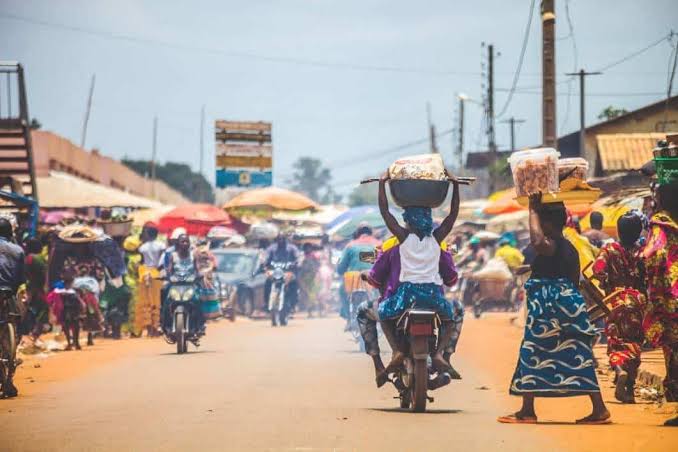
Hwidiem is a town located in the Ahafo Region of Ghana, an area known for its rich agricultural lands, gold mining operations, and the scenic Asubima Forest Reserve . Unlike Ghana’s bustling coastal capitals, Hwidiem offers visitors a quiet, authentic Ghanaian experience far from the country’s more crowded tourist trails.
Traveling from Accra to Hwidiem is not a straightforward journey with a direct bus, but with proper planning, it is manageable and rewarding. The town serves as a gateway to the Asutifi North District and is an ideal base for exploring the natural beauty of the Ahafo Region. This guide provides everything you need to know about the journey, from transport options and road conditions to climate considerations and practical travel tips.

Distance and Travel Time from Accra
The road distance from Accra to Hwidiem is approximately 351 km . Driving time ranges from 5 to 6.5 hours, depending on traffic, road conditions, and stops along the way.
📢 GET A DETAILED ARTICLES + JOBS
Join ASJ's WhatsApp Channel and never miss a post or opportunity.

| Mode | Distance | Travel Time |
|---|---|---|
| Private Car | ~351 km | 5 hours 19 minutes |
| Bus + Taxi | ~351 km | 6–7 hours |
| Taxi from Kumasi | ~290 km (from Kumasi) | ~6 hours |
The journey follows the N6 highway through the Eastern and Ashanti Regions: Accra → Nsawam → Nkawkaw → Kumasi → Hwidiem. This route takes you through Ghana’s forest belt, with lush vegetation and traditional villages along the way.
Note: There is no direct connection from Accra to Hwidiem . All overland routes involve a transfer, typically in Kumasi, which is the major transport hub for the region.

Getting from Accra to Hwidiem: Transport Options
Option 1: Bus + Taxi (Most Common)
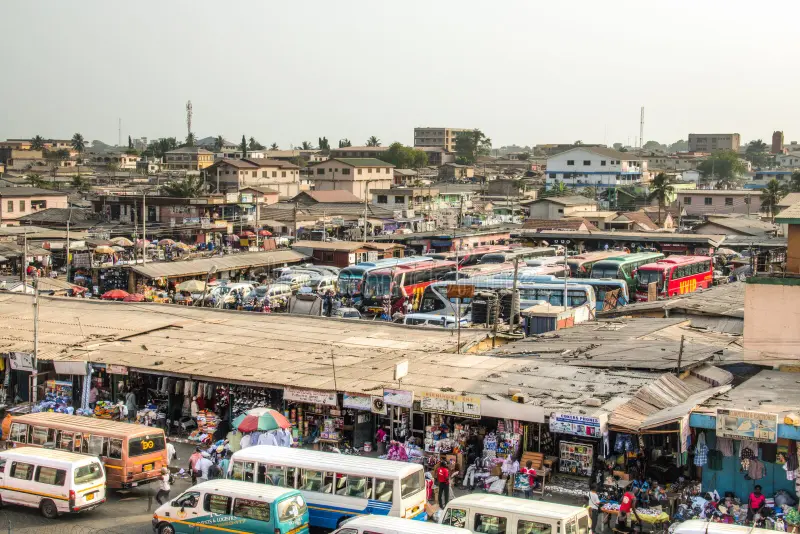
This is the most practical and affordable way to reach Hwidiem. You will take a bus from Accra to Kumasi, then a taxi or shared vehicle from Kumasi to Hwidiem.
Step 1: Accra to Kumasi by Bus
| Detail | Information |
|---|---|
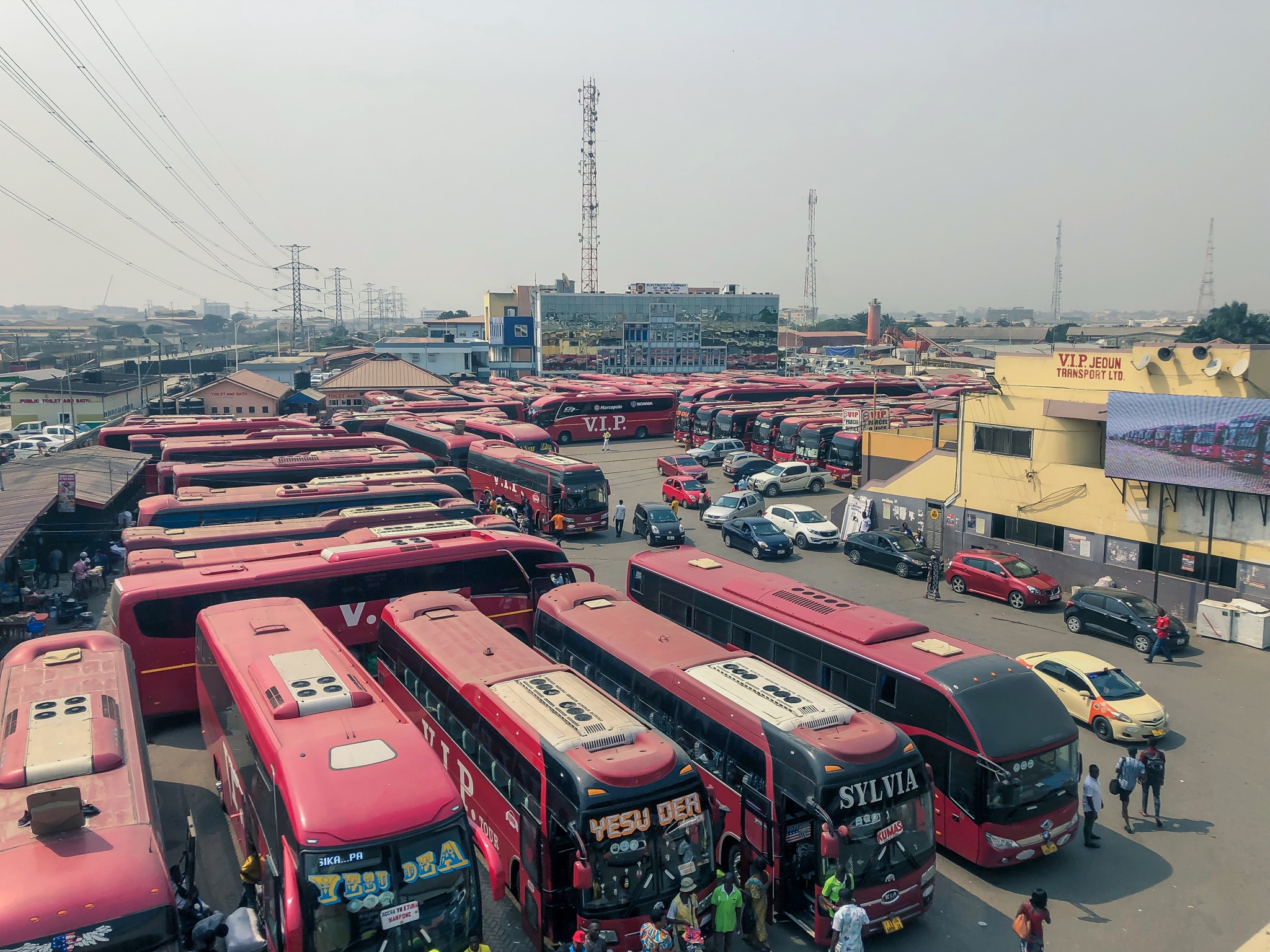
| Operators | VIP, STC, JVIP, O.A. Travel, and other private companies |
| Departure Points | Neoplan Station (Circle), VIP Lounge (Avenor), STC Station (Tudu) |
| Travel Time | 4–5 hours |
| Estimated Fare | GHS 60–100 (approximately $10–15 USD) |
| Frequency | Very frequent (every 30-60 minutes from early morning) |
Buses from Accra to Kumasi are comfortable, air-conditioned, and generally reliable. VIP and STC are considered the most reputable operators.
Step 2: Kumasi to Hwidiem by Taxi or Shared Vehicle
| Detail | Information |
|---|---|
| Travel Time | 1.5–2 hours |
| Estimated Fare | GHS 200–300 for a private taxi ; shared vehicles are cheaper |
| Distance | ~90 km (Kumasi to Hwidiem) |
From Kumasi, you can hire a private taxi to take you directly to Hwidiem. Alternatively, take a shared taxi or minibus (tro-tro) to Goaso (the Ahafo Regional capital) and then a local taxi to Hwidiem, which is nearby.
Option 2: Private Car (Most Flexible)
Driving offers the most flexibility, especially for travelers planning to explore multiple attractions in the Ahafo Region.
| Expense | Estimated Cost (GHS) |
|---|---|
| Fuel (round trip) | ~700 – 900 |
| Tolls | Small fee |
| Total (one way) | ~350 – 450 |
A private car allows you to stop at attractions along the way, including the Bosomtwe Lake near Kumasi or the Manhyia Palace Museum in Kumasi.
Option 3: Fly + Taxi (Fastest but Expensive)
| Detail | Information |
|---|---|
| Flight | Accra (ACC) to Kumasi (KMS) |
| Flight Duration | 45 minutes |
| Flight Cost | $30–420 USD |
| Taxi from Kumasi | GHS 200–300 |
Flying is the fastest option, but given the time needed for airport check-in and transfers, the time savings over road travel are minimal. This option is best for travelers who are already connecting through Accra or for whom comfort is the priority.
Alternative Flight Option: You can fly from Accra to Sunyani (NYI) and then take a taxi to Hwidiem, but Sunyani is approximately 60–70 km from Hwidiem, so the taxi ride would still be substantial .

Route and Road Conditions
The Recommended Route
The most reliable route is the N6 highway:
Accra → Nsawam → Nkawkaw → Kumasi → Hwidiem
From Kumasi, you will head northwest toward Goaso. Hwidiem is located before Goaso, on the main road.
Road Condition Reports
-
Accra to Kumasi: Generally good, paved highway with occasional potholes, especially after the rainy season. This section is well-traveled and maintained.
-
Kumasi to Hwidiem: Mostly paved but with some rough patches as you approach the Ahafo Region. The road can be challenging after heavy rain.
-
Note: The Ahafo Region is less developed than the Ashanti Region, and road conditions can deteriorate quickly, especially on smaller feeder roads.
Rest Stops and Points of Interest Along the Way
| Stop | Location | Highlights |
|---|---|---|
| Nkawkaw | Eastern Region | Scenic views of the Kwahu hills; good food joints |
| Kumasi | Ashanti Region | Major transport hub; options for lunch and refueling |
| Lake Bosomtwe | Near Kumasi | Detour to Ghana’s only natural lake |
Climate and Best Time to Visit Hwidiem
Hwidiem has a tropical savanna climate, with warm temperatures year-round and distinct wet and dry seasons .
| Season | Months | Conditions | Best For |
|---|---|---|---|
| Dry Season (Peak) | November – March | Warm, sunny, low humidity (daytime 33-37°C) | Hiking, outdoor activities, comfortable travel |
| Dry Season (Minor) | August – September | Pleasant temperatures, occasional brief showers | Lush green scenery, fewer visitors |
| Rainy Season | April – July, October | Hot, humid, heavy rainfall (up to 220mm in September) | Landscape at its most vibrant; some roads may be difficult |
Monthly Climate Breakdown
| Month | Max Temp (°C) | Min Temp (°C) | Rainfall (mm) | Rainy Days |
|---|---|---|---|---|
| January | 36 | 20 | 4 | 4 |
| February | 37 | 22 | 25 | 11 |
| March | 37 | 23 | 60 | 19 |
| April | 36 | 23 | 56 | 19 |
| May | 34 | 23 | 58 | 21 |
| June | 31 | 22 | 39 | 18 |
| July | 29 | 21 | 42 | 19 |
| August | 29 | 21 | 48 | 21 |
| September | 29 | 21 | 85 | 25 |
| October | 31 | 22 | 96 | 25 |
| November | 33 | 21 | 21 | 16 |
| December | 34 | 20 | 4 | 4 |
Best Travel Period: The dry season (November to March) offers the best conditions for travel, with sunny days and minimal rainfall . The hottest months are February and March (up to 37°C), while July through September are cooler but wetter.
Pro Tip: If traveling during the rainy season (April–October), be prepared for muddy roads and potential travel delays. Pack a rain jacket and waterproof bags for electronics.
What to Expect in Hwidiem
Tourism and Attractions
Hwidiem is not a major tourist hub, which is part of its appeal. It offers an authentic, off-the-beaten-path experience for travelers seeking genuine Ghanaian life away from the crowds.
Nearby attractions include:
-
Asubima Forest Reserve: A protected forest area with walking trails, diverse birdlife, and opportunities for nature observation
-
Ahafo Region’s agricultural landscapes: Cocoa, oil palm, and cassava plantations dominate the area
-
Traditional villages: Explore nearby communities to experience local culture and craftsmanship
Accommodation
Accommodation in Hwidiem is limited to basic guesthouses. There are no luxury hotels or international chains.
| Type | Price Range (GHS) | Notes |
|---|---|---|
| Basic guesthouse | 30 – 60 | Fan room, shared bathroom |
| Mid-range guesthouse | 60 – 120 | Air conditioning, private bath |
Important: There are no ATMs in Hwidiem. Carry sufficient cash for accommodation, food, and incidentals. Mobile money may be available but is not guaranteed.
Alternative: For more comfortable lodging, consider staying in Kumasi (the nearest major city) and making Hwidiem a day trip, though this requires a long drive each way.

Where to Eat
Food options are limited to local chop bars and street food vendors.
| Type | Price Range (GHS) | Notes |
|---|---|---|
| Local chop bar | 10 – 25 | Banku, fufu, rice and stew |
| Street food | 5 – 15 | Kelewele, roasted plantain, eggs |
| Bottled water (1.5L) | 3 – 5 | Essential—drink only bottled/filtered water |
Must-try local dishes: Fufu with light soup, banku with okro stew or pepper sauce, and fresh tilapia (if available from local markets).
Language and Culture
-
Language: The primary local language is Twi (Akan). English is understood to a limited extent, especially by younger people and those in commerce.
-
Greetings: Always greet people before asking questions or conducting business. “Akwaaba” (welcome) and “Medaase” (thank you) are appreciated.
-
Right-hand rule: Use your right hand for giving and receiving items.
-
Photography: Always ask permission before photographing people, homes, or sacred sites.
Estimated Budget (Per Person)
| Category | Budget (GHS) | Mid-range (GHS) |
|---|---|---|
| Transport (round trip, bus + taxi) | 150 – 250 | 400 – 600 (private car) |
| Accommodation (per night) | 30 – 60 | 60 – 120 |
| Food (per day) | 20 – 40 | 40 – 80 |
| Activities (guides, park fees) | 20 – 50 | 50 – 100 |
| Miscellaneous | 20 – 50 | 50 – 100 |
| Total (approx. 2-day trip) | 240 – 450 | 600 – 1,000 |
A realistic independent traveler budget for Hwidiem is roughly $15–$35 USD per day (approx. GHS 180–450) depending on choices .
Travel Tips for Hwidiem
Practical Advice
-
Depart early from Accra (6–7 AM) to arrive before dark—the road has few streetlights, and traveling at night is not recommended
-
Carry sufficient cash—there are no ATMs in Hwidiem, and mobile money may be unreliable
-
Pack light, breathable clothing for the warm climate, plus a light jacket for cooler evenings
-
Bring insect repellent and a mosquito net (though basic guesthouses usually provide nets)
-
Drink only bottled or filtered water—bring a reusable bottle
-
Charge all devices before leaving—reliable electricity is not guaranteed
-
Download offline maps (Google Maps or Maps.me) before leaving Accra—network coverage may be limited
-
Inform someone of your plans if exploring remote areas
Safety
-
Hwidiem is generally safe for travelers, though normal precautions apply
-
Avoid traveling at night on unfamiliar roads
-
Keep valuables secure and avoid displaying expensive items
-
Use reputable transport operators for the Accra–Kumasi leg (VIP, STC are recommended)
Cultural Etiquette
-
Dress modestly when visiting villages or cultural sites—women should consider skirts or dresses below the knee
-
Ask permission before taking photos—some shrines and sacred sites prohibit photography
-
Learn a few Twi phrases—”Akwaaba” (welcome), “Medaase” (thank you), “Wo ho te sen?” (how are you?) will be warmly received
Sample Itinerary: 2 Days in Hwidiem
Day 1: Journey from Accra
| Time | Activity |
|---|---|
| 6:00 AM | Depart Accra (bus to Kumasi) |
| 10:30 AM | Arrive Kumasi, breakfast/lunch |
| 11:30 AM | Hire taxi or board shared vehicle to Hwidiem |
| 1:30 PM | Arrive Hwidiem, check into guesthouse |
| 3:00 PM | Explore the town, visit local market |
| 6:00 PM | Dinner at local chop bar |
Day 2: Explore Surroundings and Return
| Time | Activity |
|---|---|
| 7:00 AM | Early breakfast |
| 8:00 AM | Visit Asubima Forest Reserve or nearby villages |
| 11:00 AM | Depart Hwidiem for Kumasi |
| 1:00 PM | Arrive Kumasi, lunch |
| 2:00 PM | Board bus to Accra |
| 7:00 PM | Arrive Accra |
Frequently Asked Questions (FAQs)
1. How long does it take to travel from Accra to Hwidiem?
By road, approximately 5 to 7 hours, depending on traffic, road conditions, and transfer time in Kumasi. The distance is about 351 km .
2. Is there a direct bus from Accra to Hwidiem?
No. There is no direct connection from Accra to Hwidiem. You must take a bus from Accra to Kumasi, then a taxi or shared vehicle from Kumasi to Hwidiem .
3. How much does it cost to travel from Accra to Hwidiem?
A bus from Accra to Kumasi costs GHS 60–100. A taxi from Kumasi to Hwidiem costs approximately GHS 200–300 . Total one-way cost: GHS 260–400.
4. What is the road condition like?
Accra to Kumasi is generally good. Kumasi to Hwidiem is mostly paved but has some rough patches, especially after rain.
5. What is there to do in Hwidiem?
Hwidiem is a small town with limited tourist infrastructure. Nearby attractions include the Asubima Forest Reserve, local agricultural landscapes, and traditional Ahafo Region villages. It is best suited for travelers seeking off-the-beaten-path experiences.
6. Where can I stay in Hwidiem?
Accommodation is limited to basic guesthouses. Budget GHS 30–60 per night for basic rooms. There are no luxury hotels .
7. Is Hwidiem safe for tourists?
Generally yes, though the town is not a major tourist destination, so you should exercise normal precautions. Avoid traveling at night, keep valuables secure, and be respectful of local customs.
8. What should I pack for Hwidiem?
Light, breathable clothing, insect repellent, sunscreen, hat, reusable water bottle, flashlight, power bank, and cash. Sturdy shoes are recommended if you plan to explore the forest reserve.
9. When is the best time to visit Hwidiem?
The dry season (November to March) offers the best conditions for travel, with sunny days and minimal rainfall .
10. Is there an ATM in Hwidiem?
No. Carry sufficient cash for your entire stay. The nearest ATMs are in Kumasi or Goaso (the Ahafo Regional capital).
Conclusion: Why Hwidiem Deserves a Spot on Your Ghana Itinerary
Hwidiem is not for travelers seeking luxury or convenience. The journey is long—over 350 kilometers and at least two legs. The accommodation is basic. The tourist infrastructure is minimal. But for those who make the effort, Hwidiem offers something increasingly rare in Ghana: an authentic, unspoiled glimpse into life in the Ahafo Region.
Here, you can explore the Asubima Forest Reserve, walk through cocoa and oil palm plantations, and experience the warmth of local communities far from the country’s more crowded tourist trails. The town’s location makes it an ideal base for exploring the broader Ahafo Region, an area that remains largely undiscovered by international tourism.
The road from Accra to Hwidiem is long but manageable. If you’re seeking comfort and convenience, stay in Kumasi. But if you want to experience Ghana beyond the guidebooks—to walk through rural villages, to see how cocoa reaches the market, to breathe the air of the forest reserve—then Hwidiem awaits.
Pack light, depart early, carry cash, and let the journey unfold.
Frequently Asked Questions (FAQs)
1. How long does it take to travel from Accra to Hwidiem?
By road, approximately 5 to 7 hours, depending on traffic, road conditions, and transfer time in Kumasi. The distance is about 351 km .
2. Is there a direct bus from Accra to Hwidiem?
No. There is no direct connection from Accra to Hwidiem. You must take a bus from Accra to Kumasi, then a taxi or shared vehicle from Kumasi to Hwidiem .
3. How much does it cost to travel from Accra to Hwidiem?
A bus from Accra to Kumasi costs GHS 60–100. A taxi from Kumasi to Hwidiem costs approximately GHS 200–300 . Total one-way cost: GHS 260–400.
4. What is the road condition like?
Accra to Kumasi is generally good. Kumasi to Hwidiem is mostly paved but has some rough patches, especially after rain.
5. What is there to do in Hwidiem?
Hwidiem is a small town with limited tourist infrastructure. Nearby attractions include the Asubima Forest Reserve, local agricultural landscapes, and traditional Ahafo Region villages.
6. Where can I stay in Hwidiem?
Accommodation is limited to basic guesthouses. Budget GHS 30–60 per night for basic rooms. There are no luxury hotels .
7. Is Hwidiem safe for tourists?
Generally yes, though the town is not a major tourist destination, so you should exercise normal precautions. Avoid traveling at night, keep valuables secure, and be respectful of local customs.
8. What should I pack for Hwidiem?
Light, breathable clothing, insect repellent, sunscreen, hat, reusable water bottle, flashlight, power bank, and cash. Sturdy shoes are recommended if you plan to explore the forest reserve.
9. When is the best time to visit Hwidiem?
The dry season (November to March) offers the best conditions for travel, with sunny days and minimal rainfall .
10. Is there an ATM in Hwidiem?
No. Carry sufficient cash for your entire stay. The nearest ATMs are in Kumasi or Goaso (the Ahafo Regional capital).
Last Updated on March 29, 2026 by Samuel Kwame Boadu
Disclaimer: Some content on Accra Street Journal may be aggregated, summarized, or edited from third-party sources for informational purposes. Images and media are used under fair use or royalty-free licenses. Accra Street Journal is a subsidiary of SamBoad Publishing Hub under SamBoad Business Group Ltd, registered in Ghana since 2014.
For concerns or inquiries, please visit our Privacy Policy or Contact Page.

Samuel Kwame Boadu is a Ghanaian media entrepreneur and storyteller with a passion for amplifying urban voices and uncovering everyday truths. He is the Editor-in-Chief and Founder of Accra Street Journal, a dynamic digital platform dedicated to capturing the pulse of Ghana’s capital—its people, culture, challenges, business, sports and innovations.