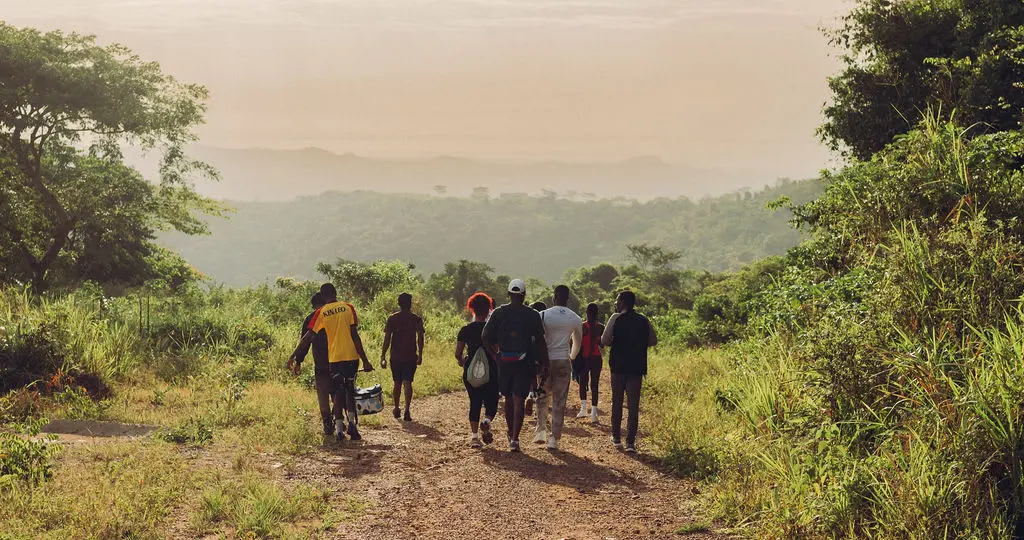










Sunyani, as researched by Accra Street Journal, is the capital of Ghana’s Bono Region, is an easy-to-love mix of tidy streets, warm people and access to some of the region’s best eco and cultural sites. From Sunyani you can reach sacred groves, community-run nature reserves, monkey sanctuaries and pleasant town-based cultural circuits that showcase Bono crafts, festivals and food. This guide gives you everything you need for a 1–3 day trip from Accra: transport and bus fares, rest stops, entry fees, history and culture, contact details, hotels, FAQs, distances, best time to go, travel tips — and SEO metadata at the end.
Distance & travel time from Accra
Distance: ~315–370 km depending on route.

Average road travel time: ~7–9 hours by bus or private car (allow more time for stops).
📢 GET A DETAILED ARTICLES + JOBS
Join ASJ's WhatsApp Channel and never miss a post or opportunity.

Transport options & approximate fares
1. Intercity bus (recommended for most travelers)
Direct buses depart Accra daily to Sunyani (operators vary). Expect service that takes about 7–9 hours. Typical fare: GHS 150–220 (economy → VIP ranges with operator & fuel prices).

2. Private car / rental
Best for groups or flexible itineraries. Rental with driver for a day (Accra → Sunyani → local circuit) will run higher (estimate GHS 1,200–2,000 depending on vehicle and waiting time).
3. Fly + drive (limited)
Domestic flights to nearby airstrips are occasionally available; combined with a short drive, this shortens total transit time but costs more. (Check flight schedules seasonally.)
4. Tour operator day / 2-day packages
Many local operators run Sunyani + Boabeng-Fiema/other eco circuits; package prices vary by inclusions (guide, transport, fees).
Rest stops & route notes
Common, traveler-friendly rest stops along the Accra→Sunyani route include Winneba / Mankessim in the south and Techiman / Wenchi further inland — these are the usual places for meals, fuel and breaks. Plan for at least two good rest breaks on the journey.
What to see: Sunyani cultural & eco circuit highlights
1. Boabeng-Fiema Monkey Sanctuary (near Sunyani)
A community-run sacred grove and one of Ghana’s most famous small wildlife attractions — home to Mona and Colobus monkeys that live alongside the local community. Guided visits explain local taboos, conservation practices and the human–wildlife relationship. (Boabeng-Fiema is well documented as a must-see in the Sunyani circuit.)

2. Jubilee / Independence Park & Sunyani Town Walk
Sunyani town itself is pleasant to walk: civic squares, markets, small museums and friendly cafés. The Independence/Jubilee park is a good short stop and introduction to local life. TripAdvisor lists top local activities and civic attractions for visitors.
3. Forested sacred groves & local eco-trails
Scattered around the Bono area are smaller forest groves and community reserves where you can do short nature walks and learn about medicinal plants used in Bono healing traditions.
4. Cultural villages & craft markets
Nearby villages offer woven baskets, local pottery, palm-wine tasting and live drumming/dance demonstrations on request. These circuits are often arranged through local guides or hotel concierges.
5. Day trips from Sunyani
Kintampo (east) for waterfalls (if you want to extend your circuit).
Bui / Buoyem (northwest) for hippo/river ecology (if combining eco experiences).
These make Sunyani a convenient base for multi-site trips.
Entry / destination fees & tourist fares
Boabeng-Fiema Monkey Sanctuary: Small community fees / donations and guide fees apply (varies; expect a modest GHS 10–50 per person depending on group & guide).
Local parks & sites: Most town attractions are free or ask small donations; organized guided eco-tours cost extra (typically GHS 50–200 depending on length).

Note: Exact prices vary; always confirm with the attraction or your tour operator before travel.
History & culture — why Sunyani matters
Sunyani and the larger Bono area are heartlands of the Bono (Ahafos) peoples with deep traditions in farming, mat weaving, drumming and kingship. The region’s cultural calendar includes harvest festivals and durbars that are excellent opportunities to witness traditional regalia, processions, and storytelling. The Boabeng-Fiema sanctuary is also an example of how indigenous beliefs (monkeys are sacred) support conservation — a living intersection of culture and nature.
Hotels & guest houses — where to stay
Sunyani has a good range of accommodations (business hotels to local guesthouses). Popular picks include:
Eusbett Hotel — one of the larger hotels in town.
Sheilas Executive Hotel & Lodge — business-friendly option.
Glamossay / Tyco City / boutique guesthouses — good mid-range or budget choices. (Use booking sites like Expedia, Agoda or Hotels.com for reviews & rates.)
Budget guesthouses and homestays are common around the eco-attractions for travelers seeking closer cultural contact.
Contact details & how to book
Tourist info: Local Sunyani tourism desk / regional coordinating council can provide current event calendars and guide contacts. (Hotels can also arrange community guides and Boabeng-Fiema visits.)
Booking tools: Expedia, Agoda and major booking platforms list Sunyani hotels and contact numbers.
Sample 2-day itinerary (realistic)
Day 1 — Travel & town orientation
Depart Accra early (06:00), rest stop at Techiman for lunch. Arrive Sunyani mid-afternoon. Check in, short town walk (Independence Park, markets), dinner and early rest.
Day 2 — Boabeng-Fiema & cultural villages
Early drive to Boabeng-Fiema (guided visit), return via craft villages, stop at a local family for a cultural demonstration, evening at leisure. Optional: night market or local music.
Day 3 — Optional extension
Combine with a day trip to Kintampo Waterfalls or Bui/Buoyem if you have time, or return to Accra mid-day.
FAQs
Q: How long should I stay in Sunyani?
A: A comfortable visit is 2 days (one night) to do town + Boabeng-Fiema; extend to 3–4 days to combine Kintampo or Bui.
Q: Is Sunyani safe for tourists?
A: Yes — Sunyani is generally safe, laid-back and noted for good civic order. Exercise normal travel caution.
Q: Are guides necessary?
A: For Boabeng-Fiema and eco-trails, a local guide improves the experience and supports the community.
Q: Can I pay by card?
A: Sunyani has ATMs and some hotels accept cards, but small vendors and rural sites may be cash-only.
Best time to visit
Dry season (Nov–Mar): most comfortable for walking and wildlife viewing.
Festival windows (varies by community): check regional event calendars to time cultural festivities.
Travel tips
Pack insect repellent and lightweight long sleeves for dusk walks.
Carry binoculars and a camera for wildlife and birdwatching.
Support community tourism: hire local guides, buy locally made crafts and bring small donations where appropriate.
Book accommodation in advance during festival dates.
Quick references / useful sources
Sunyani tourism & activity listings (Accra Street Journal’s overview).
Sunyani, the capital of Ghana’s Bono Region, is an easy-to-love mix of tidy streets, warm people and access to some of the region’s best eco and cultural sites. From Sunyani you can reach sacred groves, community-run nature reserves, monkey sanctuaries and pleasant town-based cultural circuits that showcase Bono crafts, festivals and food. This guide gives you everything you need for a 1–3 day trip from Accra: transport and bus fares, rest stops, entry fees, history and culture, contact details, hotels, FAQs, distances, best time to go, travel tips — and SEO metadata at the end.
Source: Accra Street Journal
Last Updated on September 30, 2025 by Samuel Kwame Boadu
Disclaimer: Some content on Accra Street Journal may be aggregated, summarized, or edited from third-party sources for informational purposes. Images and media are used under fair use or royalty-free licenses. Accra Street Journal is a subsidiary of SamBoad Publishing Hub under SamBoad Business Group Ltd, registered in Ghana since 2014.
For concerns or inquiries, please visit our Privacy Policy or Contact Page.

Samuel Kwame Boadu is a Ghanaian media entrepreneur and storyteller with a passion for amplifying urban voices and uncovering everyday truths. He is the Editor-in-Chief and Founder of Accra Street Journal, a dynamic digital platform dedicated to capturing the pulse of Ghana’s capital—its people, culture, challenges, business, sports and innovations.