4 min read
Travelling from Accra to Cape Coast is one of Ghana’s more popular short-intercity routes. Whether you’re heading there for history, leisure, business, or to connect with the coast, knowing what to expect, how long it takes, and where to go makes all the difference. Here’s everything you need to know.
Distance, Travel Time & Route
-
The road distance between Accra and Cape Coast is about 140-150 km depending on where in Accra you begin.
✦Key Takeaways
- Typical travel time by bus ranges from 2 hours 30 minutes to about 4 hours, depending on traffic, which can be heavy leaving Accra, and the specific route taken.
- Kaneshie and Circle private bus/trotro stations also serve Cape Coast-bound buses or “Ford buses” / mini-vans.
- As of now, STC buses from Accra to Cape Coast are priced roughly between GHS 95 to GHS 105 depending on time of day and type of service (standard vs more premium).
-
Typical travel time by bus ranges from 2 hours 30 minutes to about 4 hours, depending on traffic, which can be heavy leaving Accra, and the specific route taken.
-
The main route is along the highway via Winneba or through Kasoa, depending on the bus operator and stops.
Bus Terminals & Departure Points
In Accra, you have multiple starting points for buses headed to Cape Coast:
-
STC Coaches Terminal, Circle is one of the major departure points. STC runs scheduled services.
-
Kaneshie and Circle private bus/trotro stations also serve Cape Coast-bound buses or “Ford buses” / mini-vans.
It’s best to arrive early in the morning to avoid delays and ensure you catch the first buses.
Fares & Comfort Options
-
As of now, STC buses from Accra to Cape Coast are priced roughly between GHS 95 to GHS 105 depending on time of day and type of service (standard vs more premium).
-
More informal options (Ford buses, trotros) are cheaper — usually lower fares, but less comfort and often more variable schedules.
You may get some premium services which have more comfortable seating and fewer stops.
The Journey Experience
-
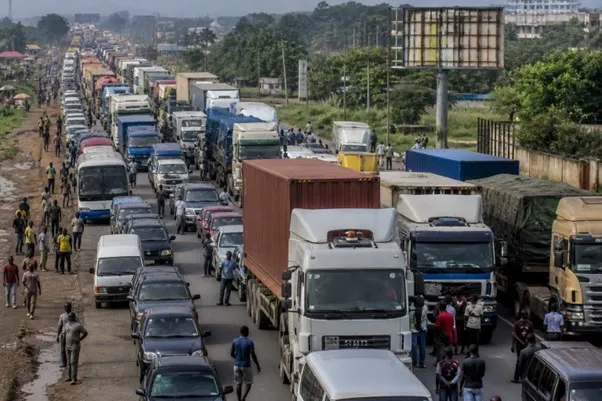
After departure, expect traffic leaving Accra to slow you down—especially around busy junctions like Kasoa or Winneba.
-
The scenery transitions from dense urban development into more open countryside: villages, farms, coastal plains.
-
There are usually stops for bathroom breaks and snacks. If you’re using a Ford bus or smaller operator, stops are more frequent and informal.
Arriving in Cape Coast
-
Most buses pull into Cape Coast Bus/Coach Station (sometimes called the “Cape Coast STC Station”) or specific drop-off points in town depending on the operator.
-
From downtown areas, taxis or shared trips (e.g. motos) get you to places like the Castle, hotels, or the beach.
Tips for a Smooth Trip
-
Travel Early – Morning buses tend to avoid worst of the traffic.
-
Check the Bus Type – If comfort matters (air conditioning, fewer stops), spend a little more for a STC or premium coach rather than a Ford bus.
-
Carry Light & Bring Necessities – Snacks, water, power bank—especially if using lower-comfort options.
-
Be Prepared for Delays – Accra traffic, bad road patches, or stops can stretch what is expected to be a 2.5-hour trip into more.
-
Ticket Booking – If possible, get your ticket ahead of time (especially with STC) to avoid waiting in queues or missing a bus.
Why This Route Matters
-
The Accra-Cape Coast route links the capital with one of the most historically significant coastal cities in Ghana. Cape Coast is central to Ghana’s heritage, tourism (Cape Coast Castle, Kakum, Elmina nearby), fishing, and coastal culture.
-
It supports daily commuters, traders, students, and tourism. Good transport links help spread economic opportunity and allow people outside Accra access to markets, education, and cultural connectivity.
What Could Improve
-
More frequent premium or express buses that make fewer stops to reduce travel time.
-
Better road maintenance, especially in rainy seasons when parts of the road degrade.
-
Cleaner stations, better sanitation, and regulated schedule information for smaller operators.
-
Improved safety standards for buses, especially Ford/mini van operators, including seat belts and speed compliance.
Source: Accra Street Journal
Last Updated on December 7, 2025 by Samuel Kwame Boadu
Disclaimer: Some content on Accra Street Journal may be aggregated, summarized, or edited from third-party sources for informational purposes. Images and media are used under fair use or royalty-free licenses. Accra Street Journal is a subsidiary of SamBoad Publishing Hub under SamBoad Business Group Ltd, registered in Ghana since 2014.
For concerns or inquiries, please visit our Privacy Policy or Contact Page.

Samuel Kwame Boadu is a Ghanaian media entrepreneur and storyteller with a passion for amplifying urban voices and uncovering everyday truths. He is the Editor-in-Chief and Founder of Accra Street Journal, a dynamic digital platform dedicated to capturing the pulse of Ghana’s capital—its people, culture, challenges, business, sports and innovations.
Use the following reference when citing or referencing this article.
Your feedback helps us improve our journalism.

Report an Error
Help us maintain accuracy. Let our editorial team know if you spot an issue in this article.
Report a problem with this article