









Introduction
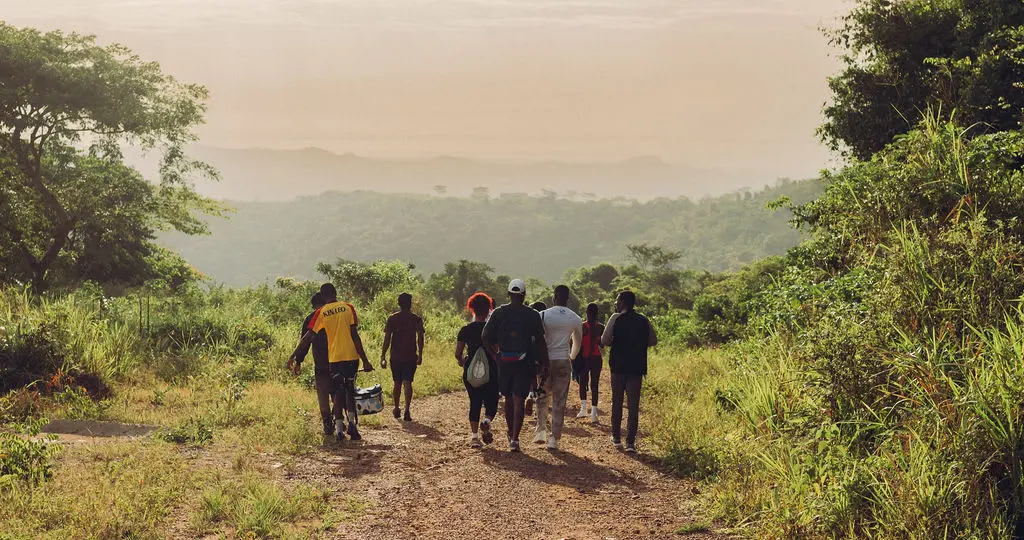
If you are an eco-tourist or wildlife enthusiast, Bui National Park in Ghana’s Bono/Brong-Ahafo zone is a destination you cannot miss. Known for its hippo population, rare antelopes, monkeys, and diverse birdlife, the park offers an immersive natural experience along the Black Volta River. At the heart of the park lies Bui Dam, providing stunning river vistas and the perfect backdrop for photography, boat tours, and wildlife observation.
Traveling from Accra to Bui National Park is a journey into Ghana’s natural heritage, blending adventure, education, and cultural interaction.

Distance & Travel Time from Accra
-
Distance: ~460 km via the N6 and Techiman routes.
📢 GET A DETAILED ARTICLES + JOBS
Join ASJ's WhatsApp Channel and never miss a post or opportunity.
📲 Join ASJ Channel Now -
Travel Time: 7.5–8 hours by road.
-
Best approached as a 2–3 day trip to fully enjoy the park and surrounding areas.
Transport Options
-
By Bus / Coach
-
Depart from Accra’s Circle or Kaneshie terminals to Techiman or Wenchi, then connect to Bui Dam/Bui National Park.
-
Fare:
-
VIP/STC: GHS 150–200
-
Metro Mass / Trotro: GHS 120–150
-
-
Travel time: 7–8 hours.
-
-
By Private Car / Rental
-
By Tour Operator
-
Packages often include Bui Dam boat rides, guided safari, and cultural experiences in Buoyem.
-
Price: GHS 1,200–1,800 depending on inclusions.
-
Rest Stops Along the Way
-
Techiman Junction – meals, snacks, and refreshments.
-
Wenchi Town – local market and restrooms.
-
Buoyem Town – last stop before the park, fuel, and snacks available.
Entry Fees & Tourist Fares
-
Bui National Park:
-
Ghanaians: GHS 20–40 per adult
-
Foreigners: USD 10–15 (GHS 150–200)
-
Students: GHS 10–20
-
-
Guided Safari & Boat Tours: GHS 50–100 per group
-
Bui Dam Access / River Viewpoints: GHS 30–50 per person
Wildlife & Attractions
Hippos in Bui Dam & Black Volta River
-
The park is renowned for hippos, often spotted in the calm waters near the dam.
-
Early morning or late evening boat rides are ideal for hippo sightings.
-
Visitors should maintain a safe distance; hippos can be unpredictable.
Other Wildlife
-
Antelopes, baboons, monkeys, bushbucks, and rare birds inhabit the park.
-
Birdwatching: Species include kingfishers, herons, and African fish eagles.
Boat Tours & Scenic Views
-
Bui Dam offers boat tours along the Black Volta River, providing a combination of wildlife viewing, photography, and relaxation.
-
Sunset cruises are particularly scenic, with reflections of the surrounding hills and water.
Eco-Tourism & Nature Trails
-
Walking trails and guided hikes allow visitors to explore the park safely.
-
Trails highlight riverine forests, savannah ecosystems, and endemic plant species.
Cultural Experiences in Buoyem
-
Visitors can engage with local communities, watch traditional dances, or participate in drum performances.
-
Local markets sell crafts, pottery, and woven mats—perfect for souvenirs.
Hotels & Guesthouses Near Bui National Park
-
Bui Eco-Lodge – mid-range riverside lodge, GHS 400–600/night
-
Buoyem Guesthouse – budget-friendly option, GHS 250–400/night
-
Black Volta Resort – luxury with dam views, GHS 500–700/night
-
Homestays – immersive experience with local families, meals included, GHS 150–300/night
Contact Details
Bui National Park Administration
-
Phone: +233 54 321 9876
-
Email: [email protected]
-
Website: bui-nationalpark.com
Buoyem Tourism Office
-
Phone: +233 20 876 5432
-
Email: [email protected]
FAQs
Q: Can I see hippos year-round?
A: Best sightings are in the dry season (Nov–Mar) when water levels are lower.

Q: Is swimming allowed in Bui Dam?
A: No. Swimming is dangerous due to hippos and strong currents.
Q: Are guided tours necessary?
A: While optional, guides enhance wildlife spotting and ensure safety.

Q: Can I combine this with other attractions?
A: Yes, Kintampo Waterfalls and Sunyani eco-cultural circuits are nearby.
Q: Is Bui National Park suitable for children?
A: Yes, but close supervision is needed, especially near water and wildlife.
Best Time to Visit
-
Dry Season (Nov–Mar): Ideal for hippo viewing, boat tours, and hiking.
-
Rainy Season (Apr–Oct): Water levels are higher, trails slippery, but landscapes are greener.
-
Festivals: Visiting during local harvest or cultural festivals enriches the experience.
Travel Tips
-
Wear sturdy shoes for trails and rocky areas near water.
-
Bring insect repellent, sunscreen, hats, and water.
-
Carry cash for park fees, local crafts, and food vendors.
-
Hire local guides for boat rides and wildlife spotting.
-
Use binoculars and cameras to capture hippos and birds safely.
Source: Accra Street Journal
Last Updated on September 30, 2025 by Samuel Kwame Boadu
Disclaimer: Some content on Accra Street Journal may be aggregated, summarized, or edited from third-party sources for informational purposes. Images and media are used under fair use or royalty-free licenses. Accra Street Journal is a subsidiary of SamBoad Publishing Hub under SamBoad Business Group Ltd, registered in Ghana since 2014.
For concerns or inquiries, please visit our Privacy Policy or Contact Page.

Samuel Kwame Boadu is a Ghanaian media entrepreneur and storyteller with a passion for amplifying urban voices and uncovering everyday truths. He is the Editor-in-Chief and Founder of Accra Street Journal, a dynamic digital platform dedicated to capturing the pulse of Ghana’s capital—its people, culture, challenges, business, sports and innovations.