






Published by Accra Street Journal – “Editorial Desk” | Published: June 2025
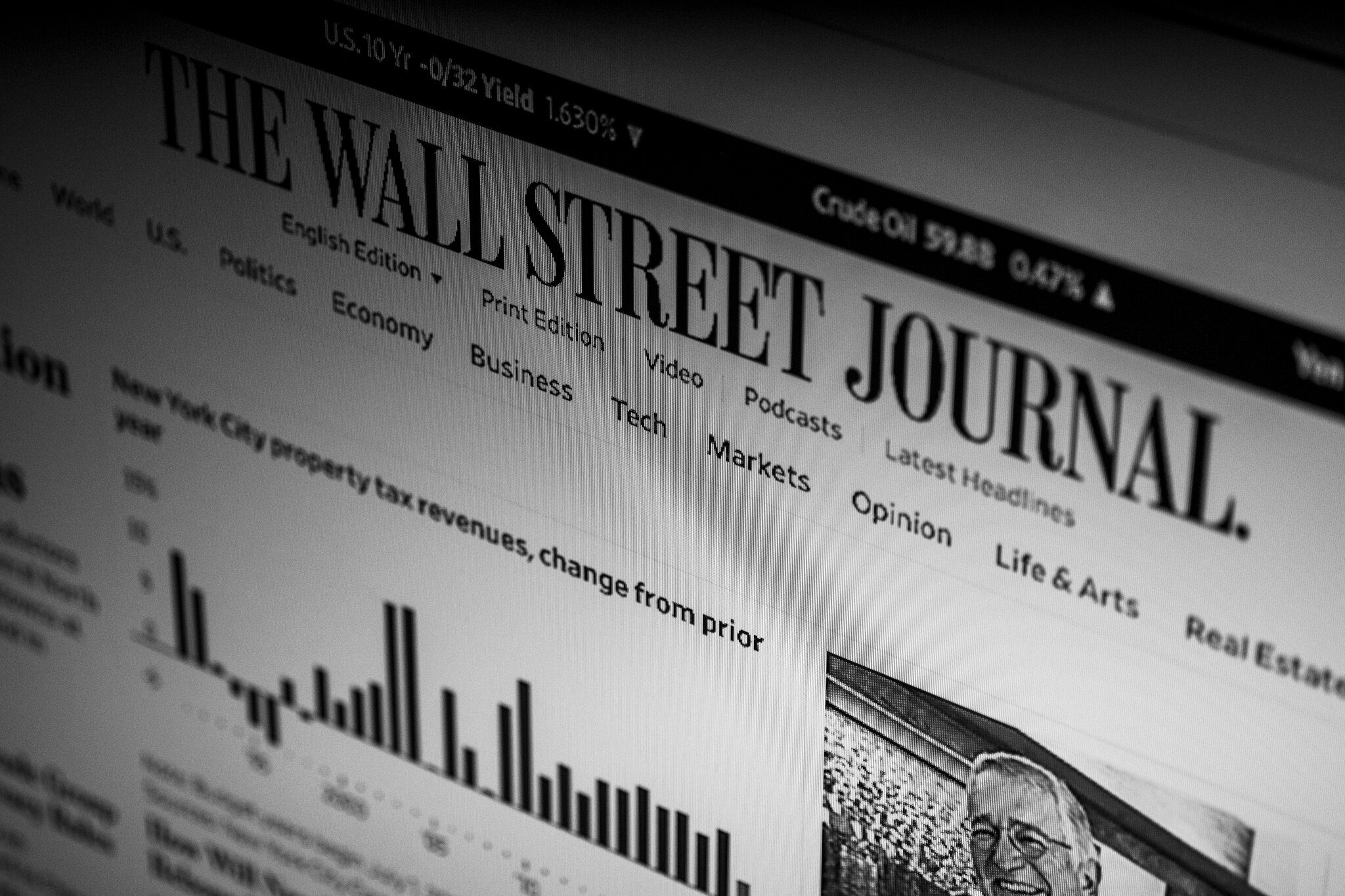
“China’s grip on Africa is tightening—not through weapons, but through roads, loans, and silence.” — Wall Street Journal
In a striking editorial, the Wall Street Journal (WSJ) analyzed Africa’s growing dependence on Chinese loans and infrastructure. At Accra Street Journal, we find the argument provocative and timely—especially as Ghana deepens its economic relationship with Beijing.

📢 GET A DETAILED ARTICLES + JOBS
Join ASJ's WhatsApp Channel and never miss a post or opportunity.
🧾 The Promise: Roads, Railways & Results
China’s Belt and Road Initiative (BRI) has reached almost every part of Africa, and Ghana is no exception. From the Tamale Interchange to key railway projects, Chinese funding has been pivotal. But as WSJ rightly points out, this funding rarely comes without strings.

💰 The Debt Trap Question
Ghana’s debt profile is a perfect case study. In recent years:
-
China has emerged as one of Ghana’s top bilateral creditors
-
Infrastructure projects tied to Chinese loans come with opaque repayment clauses
-
Ghana has often collateralized key mineral exports, notably bauxite and gold
The Wall Street Journal editorial criticizes this trend as a quiet form of modern colonialism. At Accra Street Journal, we believe the more urgent issue is transparency. China’s terms are rarely made public—leaving citizens in the dark about national commitments.
⚖️ Strategic Partner or Neo-Colonial Force?
The debate over whether China is a partner or predator isn’t new. But WSJ’s warning is echoed by many African thinkers. The real concern is not just debt—but the erosion of policy sovereignty, where countries shy away from criticizing China on human rights or environmental issues to preserve “favorable relations.”
Ghana must ask:
-
Are our deals win-win, or are they short-term gain, long-term strain?
-
What is the local content in Chinese-funded projects?
-
Are we building infrastructure or selling independence?
🌍 Accra Street Journal’s Call
We are not against China’s involvement. In fact, Africa needs investment—but not at the cost of its voice or values. Ghana must:
-
Demand greater contract transparency
-
Link every loan to local job creation and transfer of skills
-
Balance relations with other powers to avoid over-dependence
📣 Conclusion
The Wall Street Journal’s take on Africa-China ties is bold, but the responsibility lies with us—African journalists, leaders, and citizens—to hold our governments accountable. Whether China is a savior or a strategist depends on how Africa, and Ghana in particular, plays the game.
The world is watching. And so are we at Accra Street Journal.
Last Updated on March 9, 2026 by Samuel Kwame Boadu
Disclaimer: Some content on Accra Street Journal may be aggregated, summarized, or edited from third-party sources for informational purposes. Images and media are used under fair use or royalty-free licenses. Accra Street Journal is a subsidiary of SamBoad Publishing Hub under SamBoad Business Group Ltd, registered in Ghana since 2014.
For concerns or inquiries, please visit our Privacy Policy or Contact Page.

Samuel Kwame Boadu is a Ghanaian media entrepreneur and storyteller with a passion for amplifying urban voices and uncovering everyday truths. He is the Editor-in-Chief and Founder of Accra Street Journal, a dynamic digital platform dedicated to capturing the pulse of Ghana’s capital—its people, culture, challenges, business, sports and innovations.