








6 min read
Introduction
As Ghana continues to search for ways to balance revenue mobilization with consumer relief, one idea has quietly surfaced in policy circles and public discussions per Accra Street Journal research: the sales tax holiday. Across global markets, tax-free shopping weekends or VAT holidays are used to stimulate retail activity and ease the burden on consumers.
But could Ghana realistically adopt such a measure according to business writers at Accra Street Journal? And if so, would it provide meaningful relief — or simply erode government revenue at a time when every cedi counts?
Key Takeaways
- Across global markets, tax-free shopping weekends or VAT holidays are used to stimulate retail activity and ease the burden on consumers.
- In the United States, several states hold annual tax-free weekends before school resumes, allowing parents to buy supplies at lower cost.
- The debate on a sales tax holiday in Ghana reflects a deeper challenge: how to provide short-term relief without undermining the government’s fragile fiscal recovery.
What Is a Sales Tax Holiday?
A sales tax holiday is a temporary suspension or reduction of taxes, usually applied to consumer purchases. It typically lasts for a few days to a week and often focuses on essential goods such as food, clothing, school supplies, or electronics.
-
In the United States, several states hold annual tax-free weekends before school resumes, allowing parents to buy supplies at lower cost.
-
Nigeria and Kenya have experimented with short-term VAT reliefs on agricultural inputs and fuel.
ADWUMAFIE JOB JOB OPPORTUNITYInsurance Sales Agent (Commission-Based) – Novelty Insurance Brokers LTDNovelty Insurance Brokers LTD · Ghana · FreelancePowered by Adwumafie View Job → -
In Europe, VAT holidays have occasionally been used during recessions to spur spending.
The central logic is simple: by temporarily cutting taxes, governments put more money into the hands of consumers, who then spend more — boosting overall economic activity.
Why Ghana Is Considering It
Ghana’s economy is still recovering from post-pandemic shocks, high inflation, and debt restructuring. While inflation slowed to around 11.5% in August 2025, consumer confidence remains fragile. Food prices, fuel costs, and utility bills continue to weigh heavily on households.
A sales tax holiday is seen by some policymakers as:
-
A quick win for consumers, especially urban households struggling with high living costs.
-
A stimulus for retail and informal traders, who could benefit from a surge in demand.
-
A confidence booster, signaling government responsiveness ahead of budget season.
Potential Benefits of a Sales Tax Holiday
1. Consumer Relief
Even a short break from paying 15% VAT on selected goods could help households stretch budgets. Back-to-school periods or festive seasons could be prime times.
2.Boost to Retail and Informal Sector
Retailers and traders could enjoy higher sales volumes. This is particularly relevant for SMEs and informal markets, where consumer demand is highly sensitive to price changes.
3. Encouraging Compliance
If structured well, such a policy could encourage traders to formalize transactions in order to participate, thus widening the tax net in the long run.
The Risks and Downsides
1. Lost Government Revenue
VAT is one of Ghana’s most important tax streams, contributing nearly 40% of total tax revenue in 2024. Even a week-long suspension could cost the government millions of cedis.
2. Short-Term vs Long-Term Impact
The relief is temporary. Once the holiday ends, prices return to normal, often leaving little sustained benefit.

3. Risk of Abuse
Without strong oversight, some businesses might extend exemptions beyond eligible goods, or raise prices just before the holiday, erasing consumer gains.
How a Ghanaian Version Could Work
If Ghana were to introduce a sales tax holiday, the key would be targeted design:

-
Duration: Likely 3–5 days rather than weeks.
-
Scope: Focused on essentials — food, fuel, education materials.
-
Eligibility: Registered businesses and traders only, encouraging tax compliance.
-
Timing: Could align with major retail periods, such as Christmas or back-to-school.
This model would provide visible relief for households while containing revenue risks.
Policy Alternatives to Consider
Instead of or alongside a holiday, Ghana could consider:
-
Expanding targeted exemptions on essential goods year-round.
-
Tax credits for low-income earners.
-
SME rebates or reduced fixed tax rates for traders.
-
Public-private subsidy schemes for food and utilities.
These measures might offer more sustainable relief than a one-off holiday.
Lessons from Global Experiences
-
United States: Tax-free weekends drive temporary spending, but critics argue the wealthy benefit more than low-income families.
-
Kenya: Temporary VAT cuts in 2020 boosted spending but worsened fiscal deficits.
-
United Kingdom: A 2020 VAT holiday for hospitality helped tourism but created administrative confusion.
The lesson is clear: tax holidays must be part of a broader fiscal strategy, not isolated giveaways.
Sector-specific sales and corporate tax holidays
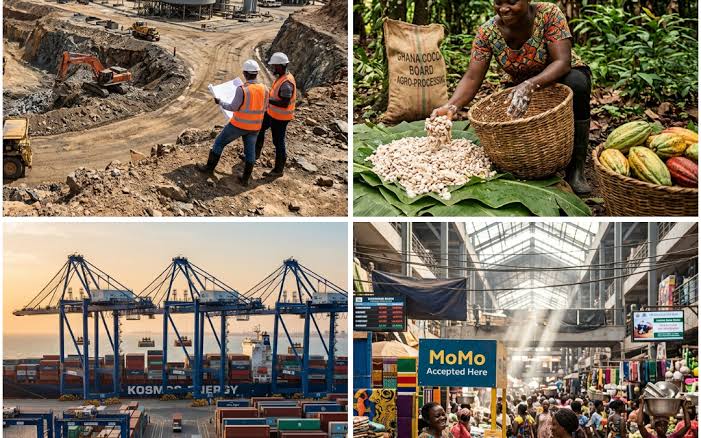
- Agro-processing: Businesses that process agricultural products grown in Ghana are exempt from corporate income tax for the first five years.
- Waste processing: Businesses that process waste can receive a seven-year tax holiday.
- Rural banks: Rural banks are exempt from tax for ten years.
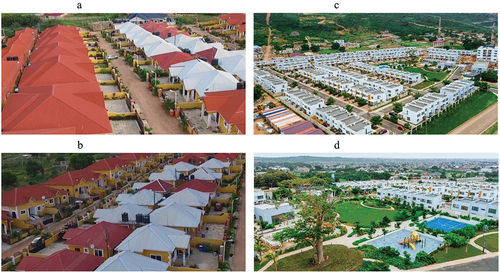
- Real estate (certified low-cost housing): Companies that construct certified low-cost residential housing receive a five-year tax holiday.
- Free zone enterprises: Companies operating within Ghana’s free zones are exempt from corporate income tax for the first ten years.
- Creative arts, tourism, and manufacturing (for young entrepreneurs): Entrepreneurs under the age of 35 in these sectors can receive a five-year corporate tax holiday.
Goods and services exempt from VAT
- Live animals like cattle, sheep, and poultry.
- Educational services and laboratory equipment.
- Essential medical supplies and services.
- Public transportation services.
- Crude oil and hydrocarbon products.
- Certain machinery used in agriculture, industry, and mining.
Broader tax reforms in 2025
- Abolishing the COVID-19 levy, which was previously charged on the supply of most goods and services.
- Increasing the VAT registration threshold, which will exempt smaller businesses from VAT obligations.
- Removing the cascading effect of certain levies, which is expected to reduce the cost of doing business.
How to apply for incentives in another way as well:
Conclusion From Accra Street Journal
The debate on a sales tax holiday in Ghana reflects a deeper challenge: how to provide short-term relief without undermining the government’s fragile fiscal recovery.
For consumers, the appeal is obvious — lower prices, even if only for a few days. For businesses, it could mean brisker sales. But for policymakers, the question remains: can Ghana afford to forgo critical VAT revenue, even temporarily?
If designed carefully, a targeted holiday could strike a balance — easing consumer pain while nudging traders toward compliance. Yet without discipline, it risks being a populist gesture with little long-term gain.
As Ghana’s tax debate intensifies in 2025, the sales tax holiday conversation is more than just about shopping; it is about trust, fairness, and the government’s ability to balance relief with responsibility
Source: Accra Street Journal | Accra Tax Journal
Last Updated on December 6, 2025 by Samuel Kwame Boadu

Disclaimer: Some content on Accra Street Journal may be aggregated, summarized, or edited from third-party sources for informational purposes. Images and media are used under fair use or royalty-free licenses. Accra Street Journal is a subsidiary of SamBoad Publishing Hub under SamBoad Business Group Ltd, registered in Ghana since 2014.
For concerns or inquiries, please visit our Privacy Policy or Contact Page.

Samuel Kwame Boadu is a Ghanaian media entrepreneur and storyteller with a passion for amplifying urban voices and uncovering everyday truths. He is the Editor-in-Chief and Founder of Accra Street Journal, a dynamic digital platform dedicated to capturing the pulse of Ghana’s capital—its people, culture, challenges, business, sports and innovations.
Use the following reference when citing or referencing this article.
Your feedback helps us improve our journalism.
Report an Error
Help us maintain accuracy. Let our editorial team know if you spot an issue in this article.
Report a problem with this article