Introduction
Heading from Accra to Bolgatanga in Ghana’s Upper East Region is not just a long-distance journey — it is a deep dive into northern heritage, markets bustling with trade, and mystical landscapes. Bolgatanga, the regional capital, is famous for its colorful handicraft markets (Bolga baskets, leatherwork, beads), while the Tongo Hills and Tenzug Shrines nearby offer unique cultural and spiritual experiences. Some circuits also extend to the Salaga slave market area, which holds a powerful place in Ghana’s slave trade history.
This guide by Accra Street Journal will take you through the journey from Accra, with transport fares, rest stops, visitor details, history, culture, and travel tips.

Distance & Travel Options
-
Accra → Bolgatanga distance: ~820 km by road (14–15 hours).
📢 GET A DETAILED ARTICLES + JOBS
Join ASJ's WhatsApp Channel and never miss a post or opportunity.
📲 Join ASJ Channel Now -
By Bus (STC, VIP, OA Travel & Tours):
-
Accra to Bolgatanga direct buses are available from major terminals.
-
Fare: GHS 350–450 depending on bus class.
-
Travel time: 14–16 hours (overnight buses available).
-
-
By Air + Road:
-
Fly Accra → Tamale (~1 hr).
-
Continue by road from Tamale to Bolgatanga (~3 hrs, shared taxi or trotro: GHS 70–100).
-
-
By Private Car:
-
Advantage: flexibility to stop at Kintampo, Tamale, or Paga.
-
Fuel, tolls, and overnight stay will add to costs.
-
Rest Stops
-
Linda Dor Rest Stop (near Nkawkaw) — meals, washrooms.
-
Techiman or Kintampo township — refuel, grab meals.
-
Tamale city — recommended overnight stop if not taking direct bus.
Bolgatanga Markets
-
Best for Bolga baskets (woven straw baskets), leather sandals, smocks (fugu), beads, and pottery.
-
The Bolgatanga Central Market is sprawling, colorful, and busiest on market days (every 3 days).
-
Bargaining is expected, but be respectful — markets are also social hubs.
Tongo Hills & Tenzug Shrines
-
About 15 km southeast of Bolgatanga.
-
Sacred granite outcrops that house Tenzug Shrines, where locals still perform traditional rituals.
-
Oral histories say ancestors hid in caves here during slave raids.
-
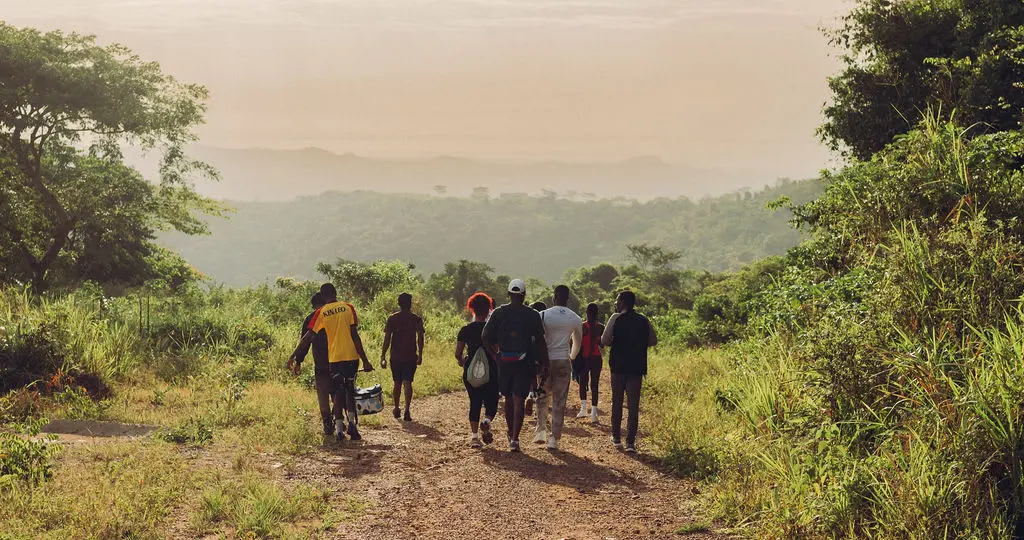
Visitors can hike, learn about spiritual customs, and enjoy panoramic views.
-
Entry fee: ~GHS 20–50, plus guide fees.
-
Dress modestly (cover shoulders/knees) when visiting shrines.
Salaga (Optional Circuit)
-
Once a major slave market town linking northern Ghana to the coast.
-
Many tours from Tamale or Bolga can include Salaga as part of a heritage circuit.
Hotels & Guesthouses in Bolgatanga
-
Tap Hotel — mid-range, comfortable, accessible to town.
-
Blue Sky Hotel — budget friendly.
-
Akayet Hotel — luxury option with pool and modern facilities.
-
Guesthouses & homestays — cheaper and closer to cultural immersion.
Entry Fees & Tourist Costs
-
Bolgatanga Market: free entry, but budget for shopping.
-
Tongo Hills/Tenzug Shrine: GHS 20–50 (plus GHS 50–100 guide tip).
-
Salaga Sites: modest community entry fees (GHS 10–20).
FAQs
Q: What is Bolgatanga most famous for?
A: The unique “Bolga baskets” and leather goods.
Q: Do I need a guide for Tongo Hills?
A: Yes, local guides are required and help explain cultural taboos.
Q: Is photography allowed at Tenzug Shrine?
A: Ask before taking photos — some shrines forbid photography.

Q: Can I combine Bolga with Paga Crocodile Pond?
A: Yes, Bolgatanga is only ~40 minutes from Paga.
Best Time to Visit
-
Dry season (Nov–March): Roads are easier, market atmosphere lively, harmattan winds add character.
-
Festivals: The Feok Festival (December, Sandema) and other local events add cultural flavor.
Travel Tips
-
Carry enough cash — mobile money and ATMs may not always be reliable.
-
Hydrate: the Upper East is hot and dry most of the year.
-
Buy crafts directly from artisans to support local livelihoods.
-
Dress modestly when visiting shrines.
-
Combine Bolgatanga with Paga, Sirigu, and Tongo for a fuller experience.
Source: Accra Street Journal

Last Updated on September 30, 2025 by Samuel Kwame Boadu
Disclaimer: Some content on Accra Street Journal may be aggregated, summarized, or edited from third-party sources for informational purposes. Images and media are used under fair use or royalty-free licenses. Accra Street Journal is a subsidiary of SamBoad Publishing Hub under SamBoad Business Group Ltd, registered in Ghana since 2014.
For concerns or inquiries, please visit our Privacy Policy or Contact Page.

Samuel Kwame Boadu is a Ghanaian media entrepreneur and storyteller with a passion for amplifying urban voices and uncovering everyday truths. He is the Editor-in-Chief and Founder of Accra Street Journal, a dynamic digital platform dedicated to capturing the pulse of Ghana’s capital—its people, culture, challenges, business, sports and innovations.