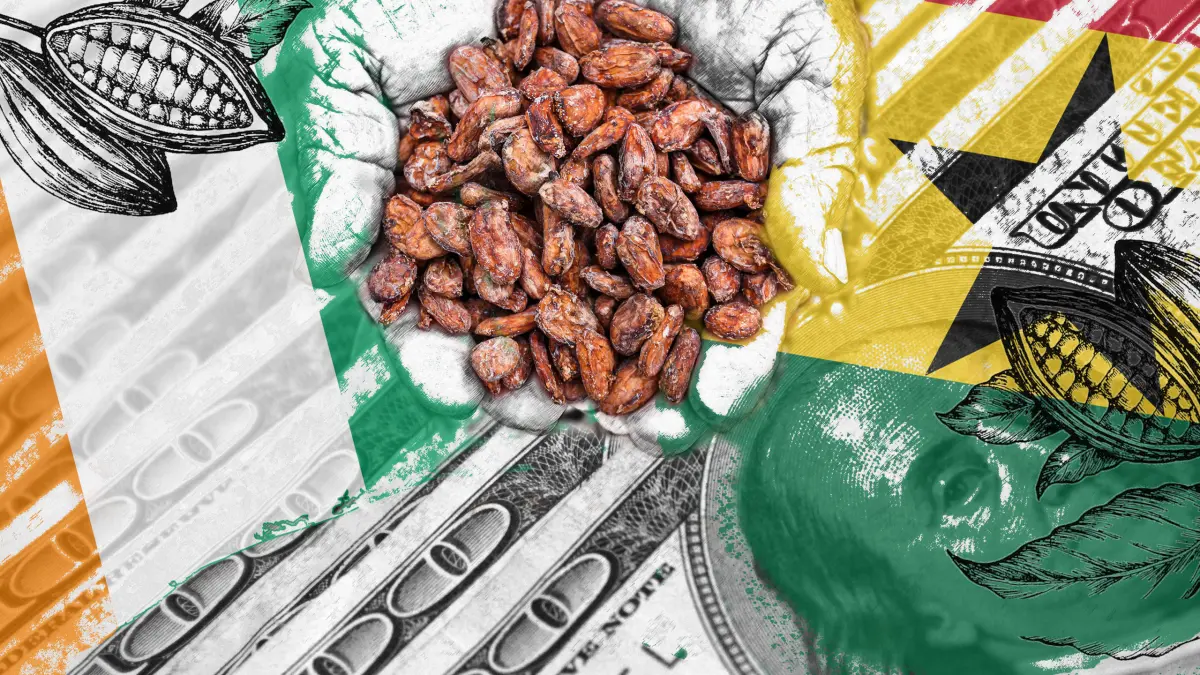











Ghanaians are noticing a familiar trend: imported goods—from electronics and clothing to food items and household appliances—seem to get more expensive every year. While globalization has made many products more accessible, the reality is that importing goods into Ghana carries a series of costs and challenges that continually affect retail prices.

This editorial by Accra Street Journal explores why imported goods cost more, what factors drive these increases, and how citizens and businesses feel the impact.
1. Currency Depreciation and the Cedi
The most direct reason imported goods cost more is the decline in the Ghana cedi’s value against the US dollar, euro, and other major currencies.
📢 GET A DETAILED ARTICLES + JOBS
Join ASJ's WhatsApp Channel and never miss a post or opportunity.
How it affects prices:
-
Importers pay more cedis for the same dollar-priced products.
-
Higher costs are passed on to consumers.
-
The price effect is visible in electronics, fuel, vehicles, and some food items.
Even when suppliers abroad keep prices constant, a weaker cedi increases the cost for Ghanaian importers.
2. Inflation and Domestic Costs
Domestic inflation amplifies the cost of imports:
-
Logistics, warehouse rental, labor, and packaging costs increase over time.
-
Inflation reduces purchasing power, making imported goods seem even more expensive.
High domestic inflation is often intertwined with currency depreciation, creating a double impact on imported goods.
3. Import Duties, Taxes, and Tariffs
The Ghanaian government applies duties and taxes to imported goods to:
-
Raise revenue
-
Protect local industries
-
Control consumption patterns
Common levies:
-
Value Added Tax (VAT)
-
National Health Insurance (NHIS) levies
-
Excise duties on certain items
As these charges rise, retailers adjust prices to maintain profit margins, making imported goods more expensive.
4. Global Supply Chain Challenges
Imported goods rely on international transport, shipping, and logistics networks. Any disruption abroad affects local prices:
-
Port congestion delays
-
Fuel price fluctuations for cargo ships and planes
-
Political instability in supplier countries
Even small delays or increases in global freight costs are passed to Ghanaian consumers.
5. Fuel Prices Influence Everything
Imported goods often depend on transport—ships, trucks, and planes—which consume fuel.
When global oil prices rise:
-
Shipping becomes more expensive
-
Local transport costs increase
-
Retailers pass on the costs to consumers
Thus, fuel price increases amplify the cost of imported goods.
6. Increased Demand for Imported Products
Ghanaians increasingly prefer imported products, such as electronics, luxury items, packaged food, and international fashion. Higher demand allows sellers to charge more, especially when supply is limited.
Urbanization, higher disposable incomes, and lifestyle trends all contribute to rising demand for imported goods.
7. Global Inflation and Currency Shocks
Even if the cedi were stable, international price inflation still affects imported goods:
-
Raw materials abroad get more expensive
-
Supplier labor costs increase
Global economic events, like recessions, conflicts, or pandemics, ripple into Ghana’s import prices.
Impact on Citizens
The increasing cost of imported goods affects everyday life:
-
Households pay more for electronics, phones, food, and household items
-
Businesses face higher operational costs for imported machinery or raw materials
-
Inflation spreads as higher costs for goods trickle down into other sectors
-
Budgeting becomes more challenging for families
For small businesses and SMEs that rely on imports, rising costs can reduce profit margins and hinder growth.
FAQs
1. Why are imported goods more expensive than local products?
Imported goods include costs for shipping, duties, taxes, and currency conversion. Local products often avoid many of these additional costs.
2. How does the cedi’s depreciation affect import prices?
A weaker cedi means importers must spend more local currency to buy the same amount of foreign goods, raising retail prices.
3. Can government policies make imports cheaper?
Yes. Lowering import duties, improving customs efficiency, and stabilizing the cedi can reduce prices, but these policies have trade-offs.
4. Why do fuel prices influence the cost of imported goods?
Fuel is a major component of shipping and transportation. When fuel costs rise, the expense of delivering imports to Ghana increases.
5. How can consumers cope with rising import prices?
Buying locally produced alternatives, planning purchases, and comparing prices across suppliers are practical ways to mitigate the impact.
Source: Accra Street Journal
Last Updated on December 6, 2025 by Samuel Kwame Boadu
Disclaimer: Some content on Accra Street Journal may be aggregated, summarized, or edited from third-party sources for informational purposes. Images and media are used under fair use or royalty-free licenses. Accra Street Journal is a subsidiary of SamBoad Publishing Hub under SamBoad Business Group Ltd, registered in Ghana since 2014.
For concerns or inquiries, please visit our Privacy Policy or Contact Page.

Samuel Kwame Boadu is a Ghanaian media entrepreneur and storyteller with a passion for amplifying urban voices and uncovering everyday truths. He is the Editor-in-Chief and Founder of Accra Street Journal, a dynamic digital platform dedicated to capturing the pulse of Ghana’s capital—its people, culture, challenges, business, sports and innovations.