
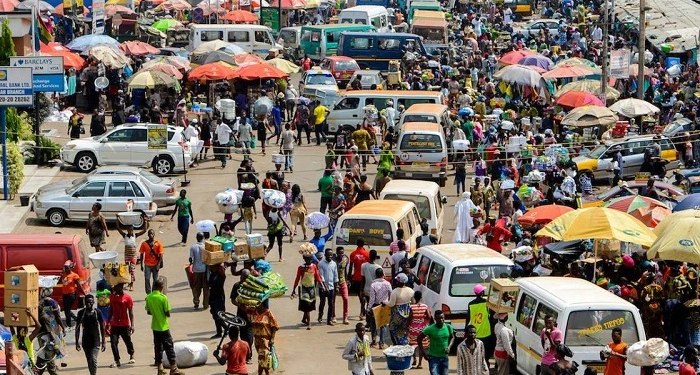
From social pressure to emotional release — the psychological and structural forces behind weekend spending
Executive Introduction
The weekend arrives. The stress of the workweek fades. You wake up later, meet friends for brunch, take a ride to the mall, order a few items online, grab dinner at a new restaurant. By Sunday evening, the relief of the weekend is replaced by the anxiety of the balance: GH¢200 on food, GH¢300 on transport, GH¢150 on shopping. The weekend was relaxing. It was also expensive.
Weekend overspending is not a failure of willpower. It is a predictable outcome of the way Accra’s economy is structured and the way human psychology responds to stress. The workweek is constrained: you are at your desk, following a schedule, spending on necessities. The weekend is expansive: you are free, you are social, you are exposed to more opportunities to spend.

This ASJ report examines why people overspend on weekends in Accra: the psychology of reward, the social pressure to participate, the economic structure of weekend commerce, and the practical strategies for controlling weekend spending.
📢 GET A DETAILED ARTICLES + JOBS
Join ASJ's WhatsApp Channel and never miss a post or opportunity.

Part 1: The Psychology of Weekend Spending
The Reward Mechanism
After a week of discipline—waking up early, working hard, managing stress—the brain seeks reward. This is not a failure of will; it is a biological response. The prefrontal cortex, which regulates impulse control, is depleted after sustained effort. The weekend is when it rests.
The result: You are more likely to say “yes” to an expensive meal, a ride-hailing trip, or an online purchase. The part of your brain that says “no” is tired.

The “I Deserve It” Mentality
The modern workweek in Accra is demanding. Long commutes, high stress, and the pressure of living in an expensive city create a sense of deprivation. The weekend is when you compensate. “I worked hard all week,” you tell yourself. “I deserve this.”
The problem is not the occasional treat. It is the pattern: every weekend becomes a reward, and every reward comes with a price tag. Over time, the “I deserve it” mentality becomes a permanent justification for spending.
The Hedonic Treadmill
The hedonic treadmill is the tendency to return to a baseline level of happiness after positive or negative events. It explains why the dopamine hit of a new purchase fades quickly—and why you need to spend more to get the same feeling next weekend.
The cycle: You buy something to feel good. The feeling fades. You buy something else. The cycle continues. Weekend spending is not just spending—it is an attempt to regulate emotion.
Part 2: Social Pressure — The “What Are You Doing This Weekend?” Problem
The Social Comparison Trap
In Accra, the weekend is social. Friends, colleagues, and family members share their weekend plans on WhatsApp, Instagram, and in conversation. The comparisons are implicit but powerful.
The mechanism: You see your friend at a brunch spot in East Legon. You see a colleague checking into a new restaurant in Osu. You see a family member at a beach resort. The message is clear: everyone is doing something. You feel the pressure to do something too—and to spend to do it.
The Fear of Missing Out (FOMO)
FOMO is not just a social media phenomenon. It is a deeply rooted psychological drive. In a city like Accra, where social status is visible and the cost of exclusion is high, the fear of missing out drives spending.
The mechanism: You are invited to a friend’s birthday party. You cannot say no. You buy a gift. You pay for transport. You buy drinks. The cost is not the party—it is the fear of being seen as absent.
The “YOLO” Culture
“You Only Live Once” is a philosophy that justifies impulse spending. It is not entirely wrong—life is short, and experiences matter. But the YOLO mindset, when unexamined, can become a licence for financial irresponsibility.

The mechanism: You see a designer bag. You tell yourself: “You only live once. Buy it.” You see a holiday package. You tell yourself: “You only live once. Book it.” The problem is not the occasional indulgence—it is the pattern of using YOLO to justify every impulse.
Part 3: The Economic Structure of Weekend Spending
Weekend Commerce Is Designed to Extract Money
Restaurants, malls, and entertainment venues are not neutral spaces. They are designed to encourage spending. Lighting, music, layout, and pricing are all optimised to maximise sales.
The mechanism: The GH¢25 brunch plate at your favourite café is not just a meal. It is a product of a market where weekend spending is a reliable revenue stream. The café is counting on your weekend willingness to spend.
Delivery Apps and the Cost of Convenience
In 2026, ordering food, groceries, or household items online has become routine. The convenience is real. But convenience comes at a cost. Delivery fees, service charges, and higher menu prices add up.
The mechanism: You spend GH¢50 on groceries that would cost GH¢40 at the market—plus GH¢20 for delivery. You spend GH¢100 on a meal that would cost GH¢80 at the restaurant—plus GH¢15 for delivery. The convenience feels effortless. The cost is hidden.
Events and Entertainment
Accra’s weekend economy is driven by events: concerts, parties, festivals, pop-ups, and exhibitions. Each event comes with a price tag: entry fee, transport, food, drinks, and merchandise.
The mechanism: A weekend of socialising can easily cost GH¢500–1,000. The cost is not a single decision—it is a collection of decisions that feel small in isolation.
Part 4: The Hidden Costs of Weekend Spending
The “Ripple Effect” of One Purchase
A GH¢100 purchase can lead to GH¢500 in additional spending. A new outfit needs new shoes. A new gadget needs new accessories. A dinner out leads to drinks, dessert, and a ride home.
The mechanism: Spending begets spending. The initial purchase is the catalyst, not the full cost.
The Opportunity Cost
The GH¢200 you spent on dinner could have been saved, invested, or used for a long-term goal. The weekend meal is not just a meal—it is a choice about what you are not doing with that money.
The Debt Carryover
If you are using credit, mobile money loans, or overdrafts to fund weekend spending, you are not just spending today’s money—you are spending next month’s money. The interest compounds. The cycle continues.

Part 5: The Emotional Spending Cycle
“Spending to Cope”
Weekend spending is often emotional spending: spending to manage feelings of stress, anxiety, loneliness, or boredom. The purchase is not about the item—it is about the feeling the purchase provides.
The mechanism: You are stressed. You buy something. The stress temporarily fades. The next weekend, the stress returns. You buy something else. The cycle continues.
The “Borrowing Happiness” Problem
When you spend to feel good, you are not solving the underlying problem. You are borrowing happiness from the future—and paying interest in the form of financial stress.
The “Sunday Night Anxiety” Effect
The pleasure of weekend spending is often followed by the anxiety of Sunday night. You check your balance. You calculate what you spent. You regret. The regret does not stop the next weekend—it just adds guilt to the cycle.
Part 6: How to Control Weekend Spending in Accra
1. Set a Weekend Budget
The first step is intention. Decide how much you will spend on weekend activities before the weekend begins. This is not a restriction—it is a plan.
Example: “I will spend GH¢200 this weekend on socialising, transport, and food. If I go over, I will reduce next week.”
2. List Your Upcoming Weekend Plans
A simple list can prevent impulse spending. If you know you have a dinner on Friday, a party on Saturday, and a lunch on Sunday, you can allocate your spending accordingly.
3. Use Cash
Credit cards, mobile money, and digital wallets make spending feel less painful than cash. The mental cost of spending cash is higher—and that is a good thing. Using cash for discretionary weekend spending can reduce impulse purchases.
4. Try a No-Spend Weekend
A radical but effective strategy: commit to a weekend where you spend nothing except on essentials. No shopping, no dining out, no online orders. The exercise reveals how much of your spending is habitual rather than necessary.
5. Find Low-Cost Alternatives
Weekend activities do not have to be expensive. A walk at the beach, a picnic in the park, a free concert, a trip to a museum—these are lower-cost alternatives that still feel like a weekend break.
6. Delay Purchases
Before making a purchase, wait 24 hours. The impulse often passes. If it does not, you can make the purchase with intention rather than impulse.
Conclusion: Weekend Spending Is Not a Moral Failure
Weekend overspending is not a sign of weakness. It is a predictable outcome of the way the workweek, social pressure, and psychological mechanisms interact. The good news is that once you understand the drivers, you can take control—not by eliminating spending, but by making it intentional.
The goal is not to stop spending on weekends. The goal is to stop spending on weekends without realising it.
Quick Reference: Why You Overspend on Weekends
| Factor | Mechanism | Strategy |
|---|---|---|
| Reward seeking | Brain seeks pleasure after workweek | Set a weekend budget |
| Social pressure | Fear of missing out | Plan low-cost alternatives |
| Convenience | Delivery apps make spending easy | Use cash for discretionary spending |
| Emotional spending | Spending to cope with stress | Identify the feeling behind the purchase |
| YOLO mindset | Justification for impulse purchases | Delay large purchases by 24 hours |
| Opportunity cost | Money spent is money not saved | Track weekly spending |
Source: Accra Street Journal
Last Updated on July 22, 2026 by Samuel Kwame Boadu
Disclaimer: Some content on Accra Street Journal may be aggregated, summarized, or edited from third-party sources for informational purposes. Images and media are used under fair use or royalty-free licenses. Accra Street Journal is a subsidiary of SamBoad Publishing Hub under SamBoad Business Group Ltd, registered in Ghana since 2014.
For concerns or inquiries, please visit our Privacy Policy or Contact Page.

Samuel Kwame Boadu is a Ghanaian media entrepreneur and storyteller with a passion for amplifying urban voices and uncovering everyday truths. He is the Editor-in-Chief and Founder of Accra Street Journal, a dynamic digital platform dedicated to capturing the pulse of Ghana’s capital—its people, culture, challenges, business, sports and innovations.