










Ghana is Africa’s largest gold producer, and in 2025 the country’s gold sector transformed from a steady earner into the backbone of the national economy. Record prices, record production, and sweeping policy reforms have created both extraordinary opportunities and serious new risks for investors. Understanding these dynamics is essential for anyone looking to participate in Ghana’s gold story.

The Scale: Why Size Matters
Ghana’s gold industry is not a small opportunity. It is the single most important sector in the country’s economy.
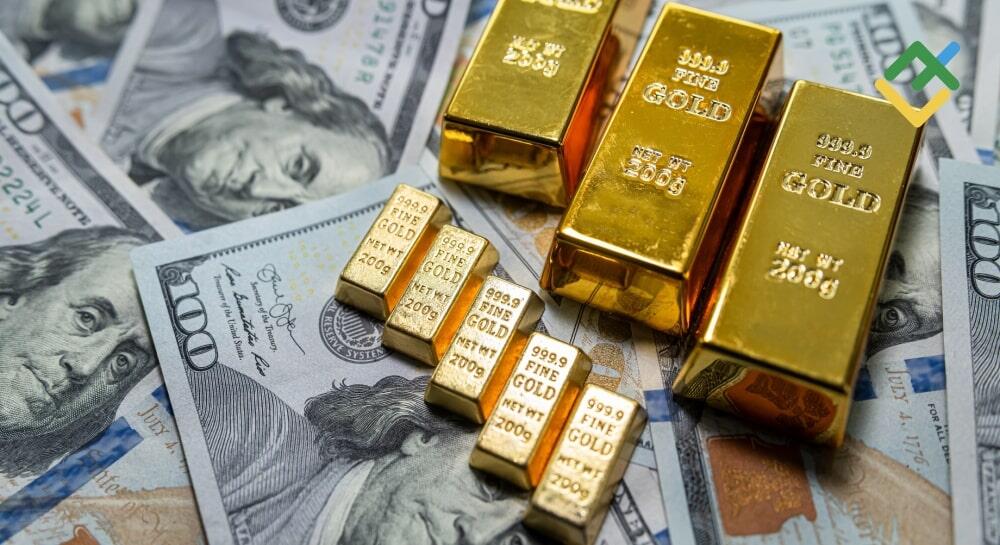
In 2025, Ghana produced 6 million ounces of gold, a 21% increase from the previous year, cementing its position as Africa’s largest producer and the world’s sixth-largest . Export earnings from gold reached approximately **US$20 billion**, nearly double the US$10.3 billion recorded in 2024 . Gold accounted for 63.1% of Ghana’s merchandise exports, more than double the combined earnings from cocoa and crude oil .
📢 GET A DETAILED ARTICLES + JOBS
Join ASJ's WhatsApp Channel and never miss a post or opportunity.
The sector has attracted more than US$20 billion in investment over the past two decades, with 19 large-scale mining companies currently operating in the country . Major operators include Newmont, AngloGold Ashanti, Gold Fields, Zijin Mining, and Perseus Mining .
For investors, this scale matters. It means there is a deep, liquid market with established infrastructure, a trained workforce, and a proven track record of production.
The Production Mix: A Structural Shift
One of the most important trends for investors to understand is the changing composition of Ghana’s gold production.
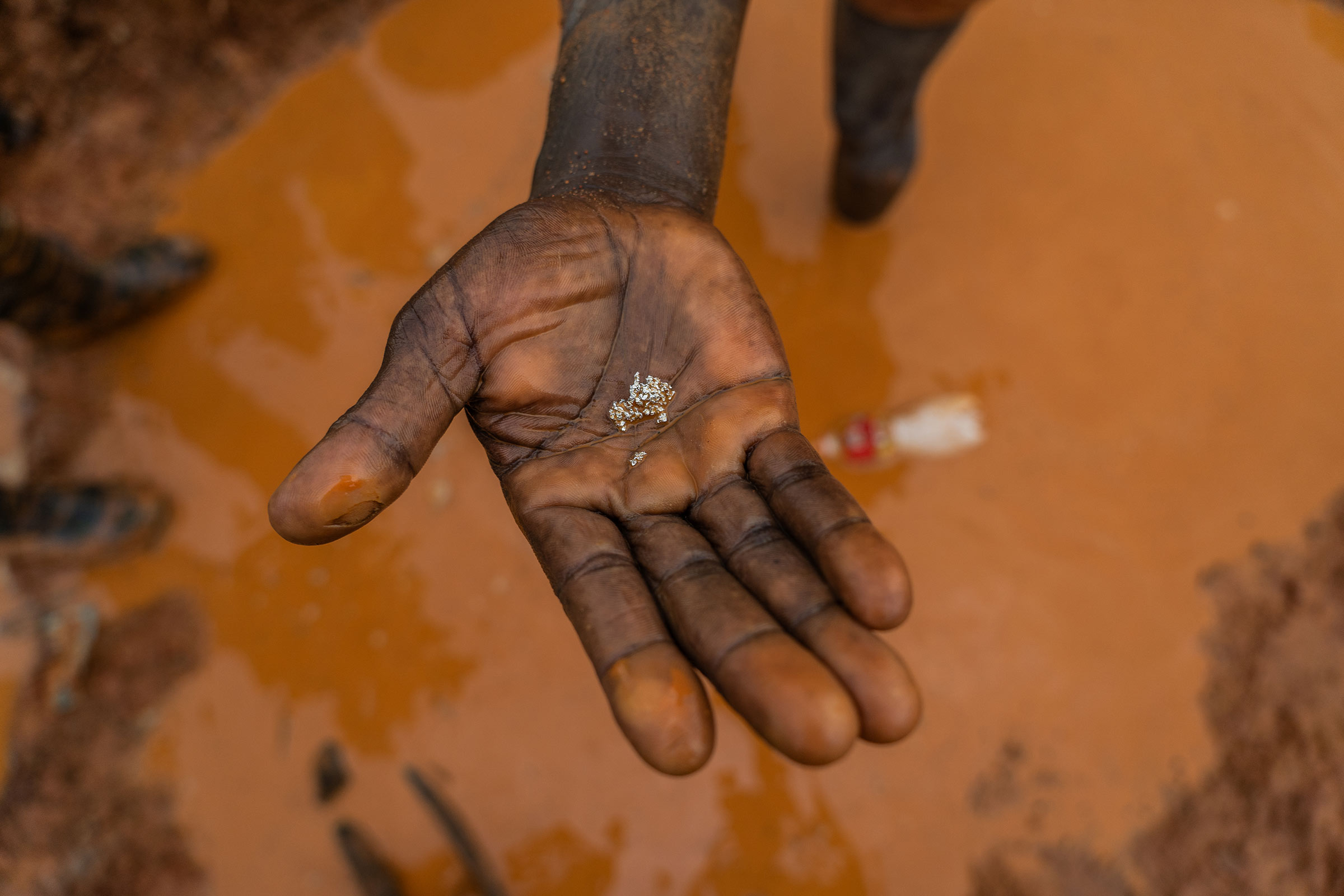
Historically, large-scale mining dominated. But in 2025, something significant happened: artisanal and small-scale mining (ASM) output surpassed large-scale production for the first time . The ASM sector generated about 3.1 million ounces, compared to 2.9 million ounces from industrial mining .
The Minerals Income Investment Fund (MIIF) projects national gold production to reach 6.3 million ounces in 2026, with small-scale production more than quadrupling from approximately 700,000 ounces in 2022 to over 3.2 million ounces .
Why this matters for investors: The formalisation of ASM has been driven by the creation of the Ghana Gold Board (GoldBod), which has centralised the purchase and export of small-scale gold. This has reduced smuggling, improved traceability, and channelled more revenue through official systems . For investors, it means a larger and more predictable domestic gold supply.
The Policy Reset: Higher Royalties, No More Stability Deals
The most consequential development for investors is the government’s decision to fundamentally restructure the fiscal regime governing gold mining.
The End of Stability Agreements
For decades, Ghana attracted major mining investment by offering mining stability agreements—contracts that froze fiscal terms for 10 to 15 years in exchange for substantial investments . These agreements guaranteed predictability and protected miners from policy changes.
That era is over. The government has signalled that stability agreements will not be renewed . Newmont’s Ahafo mine, Africa’s largest gold-producing complex, saw its agreement expire at the end of 2025 without renewal. AngloGold Ashanti and Gold Fields will see theirs lapse in 2027 .
The New Royalty Regime
Ghana has replaced its fixed 5% royalty rate with a progressive, variable regime that starts at 9% and rises to **12% if gold prices exceed US$4,500 per ounce** . With gold trading around $4,500 to $5,100 per ounce in 2026, the highest tier applies immediately .
For context, Gold Fields paid $98.8 million in royalties to Ghana in 2025, a 26% increase from the previous year, even under the old 5% regime . Under the new rates, that figure would be substantially higher.
The Investment Dilemma
The industry’s response has been cautious but pragmatic. The Ghana Chamber of Mines has warned that the reforms “could hinder investment expansion and may not necessarily generate sustainable long-term revenues” . The Managing Director of Bogoso Prestea Gold Mine noted that “if the economics do not support it, the gold remains in the ground” .
Yet major miners have not retreated. Newmont invested $11 million in its Ahafo North mine in the first quarter of 2026. Gold Fields increased spending at Tarkwa by 69%. AngloGold Ashanti allocated $16 million to non-sustaining capital expenditure at Obuasi, up from $5 million a year earlier .
The message: Miners are maintaining their commitments to existing assets while becoming more cautious about long-term expansion. For investors, this means the sector remains active, but the era of generous fiscal terms is over.
The GoldBod Factor: State Intervention in the Value Chain
The creation of the Ghana Gold Board (GoldBod) in 2025 represents a fundamental shift in how Ghana manages its gold sector. GoldBod is not just a regulator—it is an active participant in the market.
Centralising the Trade
GoldBod has centralised the purchase, assay, and export of gold from artisanal and small-scale miners. It has been mandated to purchase at least 2.45 tons of ASM gold per week . In 2025, the Bank of Ghana purchased and exported around 104 tons of ASM gold for $10.9 billion, essentially all domestic output from that sector .
Mandatory Local Refining
Effective September 1, 2026, GoldBod has ordered that all gold doré must be refined in Ghana before export . No unrefined gold will be approved for export. This directive is part of a broader push to increase local value addition and retain more of the gold value chain within Ghana .
The Fiscal Cost
The state’s intervention has come at a significant financial cost. The Domestic Gold Purchase Programme (DGPP) recorded losses of over $1.7 billion in 2025 (1.5% of GDP), largely due to purchasing gold at a premium over international prices and exchange rate spreads . This highlights the complex economics of state intervention in the gold market.
For investors: GoldBod’s role means that the state is now a major counterparty in the gold trade. This creates both opportunities (a reliable buyer for small-scale producers) and risks (payment delays, pricing discretion, and currency exposure) .
The Transparency Challenge
One of the most significant risks for investors is the transparency gap in Ghana’s gold accounting.
Analysis by SWISSAID found a 229-tonne discrepancy between Ghana’s declared gold exports and the imports recorded by trade partners between 2019 and 2023. This gap was worth an estimated US$11.4 billion—around 15% of Ghana’s average GDP over the same period .
South Africa, for example, reports virtually no gold imports from Ghana, while Ghana declares annual exports to South Africa of between 25 and 34 tonnes . This suggests significant volumes of unreported and potentially illicit ASM activity.
While GoldBod’s anti-smuggling taskforce has made progress—almost all ASM gold exports are now routed through formal channels—the transparency challenge remains . For investors, this means that official production and export figures may not tell the complete story.
The Macroeconomic Importance
Gold is not just a mining sector story. It is the anchor of Ghana’s macroeconomic stability.
The DGPP has been operationally central to the eightfold increase in gross international reserves since 2023, reaching US$11.9 billion** (about 4 months of imports) by end-2025 . The programme enabled the Bank of Ghana to undertake large-scale foreign exchange sales—**US$10.6 billion in 2025—which coincided with a 41% nominal appreciation of the cedi against the dollar .
For investors, this means that gold is not just a commodity play. It is a currency hedge and a macroeconomic stabiliser. When gold prices are high, Ghana earns more dollars, stabilises the cedi, and reduces inflation. When gold prices fall, the opposite happens.
The Risks: What Investors Must Weigh
Fiscal risk: The new royalty regime is progressive and punitive at high prices. Miners warn that it could render some reserves economically unviable and shorten mine lives .
Policy risk: The removal of stability agreements eliminates long-term predictability. Contractual security in Ghana is no longer purely a matter of paperwork but of continuous operational, social, and political alignment .
Currency risk: GoldBod’s mandate to sell a portion of output domestically in local currency introduces exposure to cedi volatility. For mining companies, this functions as implicit taxation .
Transparency risk: The accounting gaps in ASM production and trade create uncertainty about the true scale of Ghana’s gold sector .
Concentration risk: With gold accounting for 63% of exports, Ghana’s economy is increasingly vulnerable to gold price swings. A sustained price decline would reduce foreign exchange earnings, pressure the cedi, and strain fiscal accounts.
The Opportunities
Production growth: MIIF projects national production to reach 6.3 million ounces in 2026, with ASM output continuing to expand .
Formalisation gains: GoldBod’s anti-smuggling efforts have channelled almost all ASM exports through formal systems, increasing the official revenue base .
Infrastructure investment: The government is pursuing domestic gold and lithium refineries with LBMA certification to increase local value addition .
Critical minerals diversification: Beyond gold, Ghana holds significant deposits of bauxite, manganese, lithium, cobalt, and nickel—essential for the global energy transition .
AfCFTA access: As host of the African Continental Free Trade Area Secretariat, Ghana offers investors access to a unified market of more than 1.3 billion people .
Quick Facts
| Topic | Details |
|---|---|
| Gold Production (2025) | 6 million ounces (21% increase) |
| Gold Export Earnings (2025) | ~US$20 billion |
| Share of Exports | 63.1% |
| ASM Production (2025) | 3.1 million ounces—surpassed large-scale mining for first time |
| New Royalty Rate | 9%–12% (variable, based on gold price) |
| Stability Agreements | Not being renewed |
| GoldBod ASM Purchases (2025) | 104 tonnes for $10.9 billion |
| DGPP Losses (2025) | $1.7 billion (1.5% of GDP) |
| Gross Reserves (End-2025) | US$11.9 billion (4 months of imports) |
Frequently Asked Questions
1. Why is Ghana’s gold industry important to investors?
Ghana is Africa’s largest gold producer with 6 million ounces produced in 2025 and US$20 billion in export earnings. The sector has attracted over US$20 billion in investment and offers exposure to a globally traded commodity with deep liquidity .
2. What are the biggest risks for gold investors in Ghana?
The main risks are fiscal (new 9–12% royalties), policy (end of stability agreements), currency (GoldBod’s domestic sales mandate), and transparency (accounting gaps in ASM trade) .
3. What is the new royalty regime for gold mining in Ghana?
Ghana has replaced its fixed 5% royalty with a variable rate starting at 9% and rising to 12% if gold prices exceed US$4,500 per ounce. At current prices, the highest tier applies .
4. What is GoldBod and how does it affect investors?
GoldBod is the Ghana Gold Board, created in 2025 to centralise the purchase, assay, and export of small-scale gold. It mandates that all gold doré be refined locally before export and requires miners to sell a portion of output domestically .
5. How much gold does Ghana produce?
Ghana produced 6 million ounces in 2025, a 21% increase from 2024. The MIIF projects production to reach 6.3 million ounces in 2026 .
6. What happened to mining stability agreements?
Ghana has ended its policy of renewing long-term mining stability agreements. Newmont’s Ahafo agreement expired in December 2025 without renewal, and AngloGold Ashanti and Gold Fields will see theirs lapse in 2027 .
7. How does gold affect Ghana’s currency and reserves?
Gold has been central to the eightfold increase in Ghana’s gross international reserves since 2023, reaching US$11.9 billion by end-2025. The Bank of Ghana sold US$10.6 billion in 2025, contributing to a 41% appreciation of the cedi
Source: Accra Street Journal
Last Updated on September 17, 2026 by Samuel Kwame Boadu
Disclaimer: Some content on Accra Street Journal may be aggregated, summarized, or edited from third-party sources for informational purposes. Images and media are used under fair use or royalty-free licenses. Accra Street Journal is a subsidiary of SamBoad Publishing Hub under SamBoad Business Group Ltd, registered in Ghana since 2014.
For concerns or inquiries, please visit our Privacy Policy or Contact Page.

Samuel Kwame Boadu is a Ghanaian media entrepreneur and storyteller with a passion for amplifying urban voices and uncovering everyday truths. He is the Editor-in-Chief and Founder of Accra Street Journal, a dynamic digital platform dedicated to capturing the pulse of Ghana’s capital—its people, culture, challenges, business, sports and innovations.