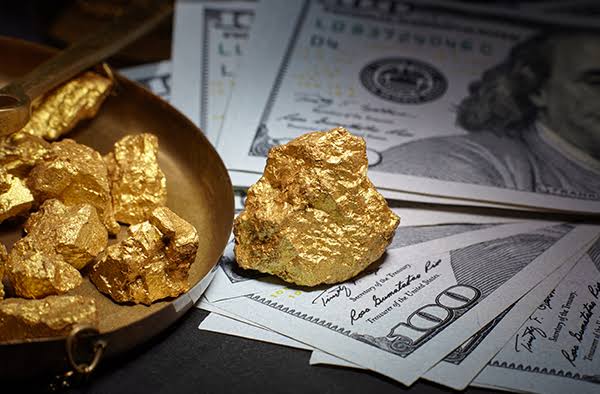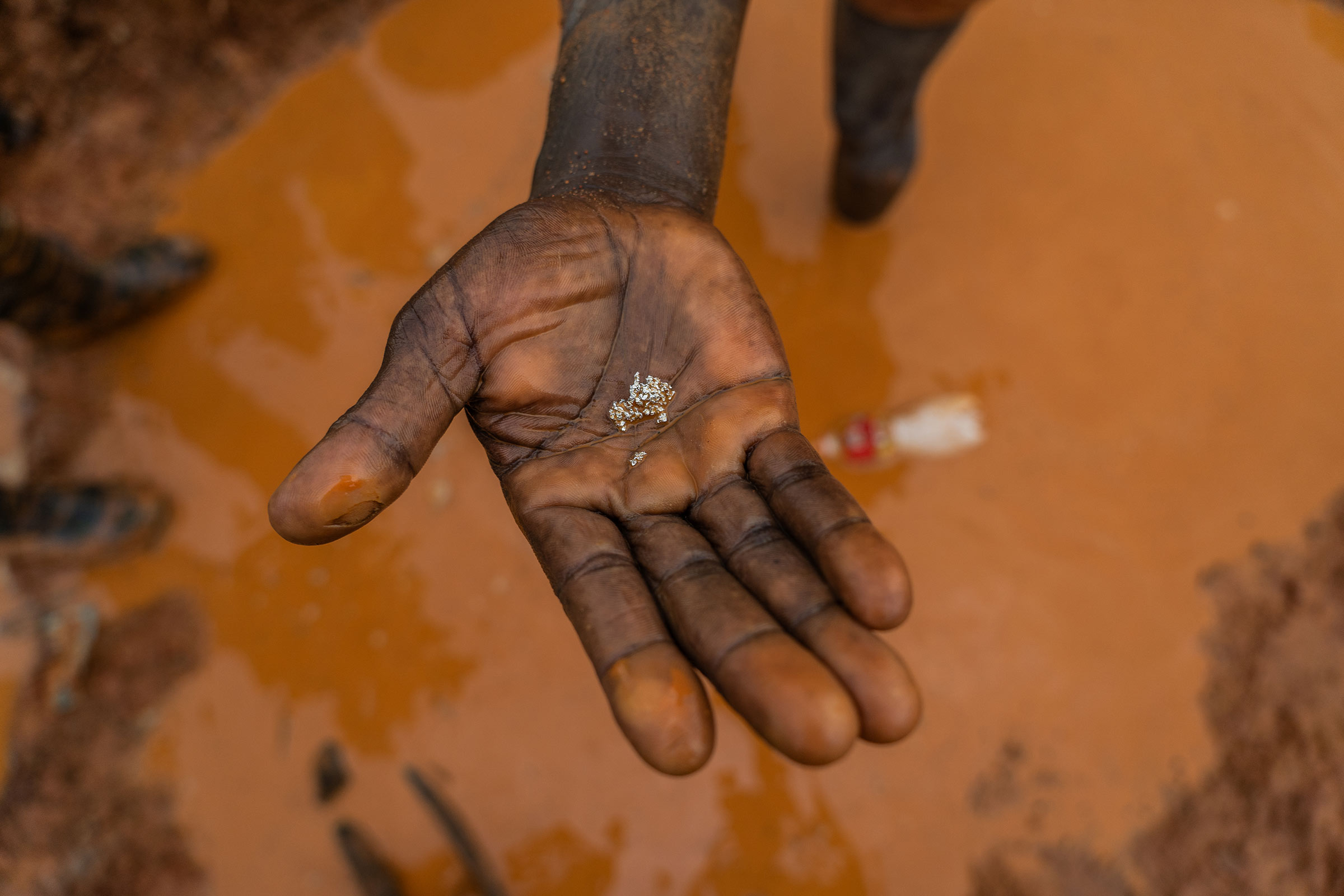








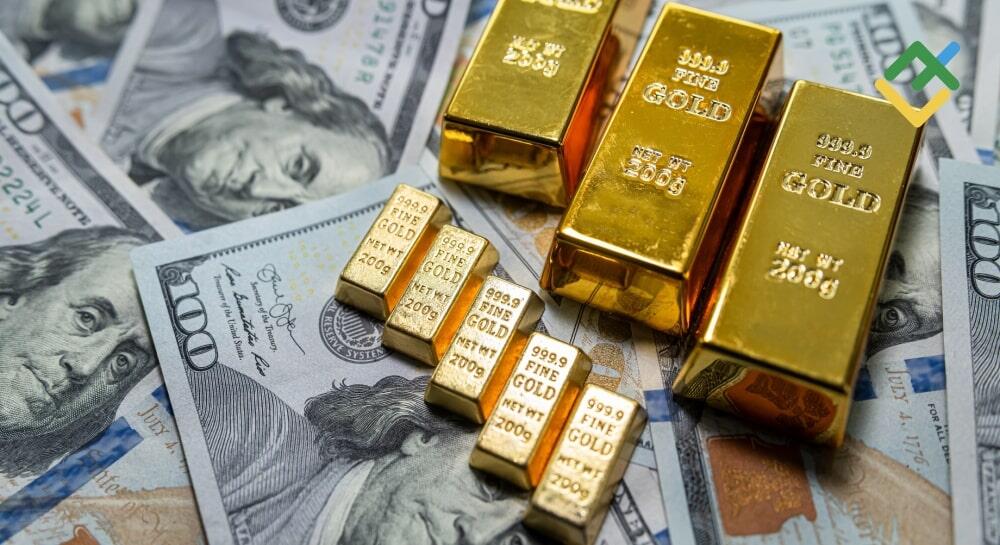

If you want to invest in gold in Ghana, you now have two very different paths. You can hold the metal in your hand—a coin, a tablet, or a bar—or you can buy a financial product that tracks the gold price without any metal ever touching your fingers. Both give you exposure to gold. But the risks, costs, and realities are not the same.

The Two Paths to Gold Ownership
Physical Gold: The Tangible Asset
Physical gold means you actually own the metal. In Ghana, you have two main options.
The Ghana Gold Coin (GGC) is issued and guaranteed by the Bank of Ghana. It is refined to 99.99% purity and comes in 1 oz, 1/2 oz, and 1/4 oz sizes. You buy it through a commercial bank using Ghana Cedis. The price is based on the previous day’s London Bullion Market Association (LBMA) afternoon price, converted to cedis. The Bank of Ghana publishes the official price daily by 9:00 am.
📢 GET A DETAILED ARTICLES + JOBS
Join ASJ's WhatsApp Channel and never miss a post or opportunity.
GoldBod Jewellery Tablets are offered by the Ghana Gold Board in 1g, 5g, 10g, and 31g sizes. They are 24-karat, 99.99% pure, and crafted by Ghanaian artisans. You can buy them through GoldBod’s 24-hour digital showroom at jewelry.goldboard.gov.gh, with mobile money and card payments accepted .
With physical gold, you own the metal. It is yours. No institution stands between you and your asset.
Gold ETFs: The Financial Exposure
A gold Exchange Traded Fund (ETF) is a financial product that tracks the gold price. In Ghana, the main option is the NewGold ETF, listed on the Ghana Stock Exchange under the ticker GLD.
Each unit of the NewGold ETF is approximately equivalent to 1/100th of an ounce of gold bullion, fully backed by physical gold held with a secure custodian. You buy it through a licensed stockbroker, just like buying shares. The ETF has an annual sales charge of 0.300% .
With a gold ETF, you own a claim on gold. You do not own the metal itself. The gold sits in a vault, managed by a custodian. Your investment rises and falls with the gold price, but you never touch the metal.
The Key Differences
| Feature | Physical Gold (GGC & Tablets) | Gold ETF (NewGold) |
|---|---|---|
| What You Own | The metal itself | A financial claim backed by gold |
| Tangibility | Yes—you hold it | No—you hold a unit in a fund |
| Where It Is Stored | You store it or use a bank vault | The fund’s custodian stores it |
| How You Buy It | Through a commercial bank (GGC) or GoldBod’s e-commerce platform (tablets) | Through a licensed stockbroker on the GSE |
| Minimum Investment | 0.25 oz GGC or 1g tablet | 1 unit of the ETF |
| Price Transparency | Daily price published by Bank of Ghana | Market-determined on the GSE |
| Liquidity | Sell back to bank or GoldBod | Trade on the GSE during market hours |
| Counterparty Risk | Low (sovereign guarantee for GGC) | Moderate (custodian risk) |
| Ongoing Costs | Storage and insurance (if using a vault) | 0.300% annual sales charge |
| Purity | 99.99% (GGC) | Backed by gold bullion |
The Cost Reality: Buying and Selling
Physical Gold
The cost of physical gold is not just the gold price. There are premiums and taxes built into the purchase.
GoldBod’s own pricing breakdown shows that a one-gram tablet retails above GH₵2,000, a ten-gram tablet is around GH₵20,000, and a one-ounce tablet goes for more than GH₵60,000. These prices represent premiums of roughly 29 to 32 percent over the raw international gold price. Some of that markup covers refining, minting, certification, and distribution. But a significant portion is VAT and other consumption taxes applied to a product nobody is going to consume .
The problem is that this premium works against you. If you pay a near-30-percent premium upfront, you may need several years of ordinary price growth just to break even. Gold has historically taken twelve to eighteen months to gain about 10 percent, and three to five years to gain around 30 percent .
And there is a further cost on the way out. If you resell a tablet back to GoldBod within the first twelve months, a 10 percent discount is applied on top of the premium you already absorbed .
Gold ETF
The NewGold ETF is simpler. You pay the market price on the GSE, plus standard brokerage fees. The annual sales charge is 0.300% .
There is no VAT on the ETF purchase. There is no fabrication premium. There is no early resale penalty.
The Risk Profile
Physical Gold: No Counterparty Risk
When you hold physical gold, you do not depend on anyone else’s promise. The metal is yours. If a bank fails, if a fund manager mismanages money, if a custodian goes bankrupt—none of that affects your gold. You hold it. You own it.
The risks are different: theft, loss, and storage. You must find a safe place to keep your gold. A home safe is an option, but not the safest. A bank safe deposit box costs money. Insurance adds another layer of expense.
The Ghana Gold Coin is backed by a sovereign guarantee. The Bank of Ghana has committed to buying back the coin if a commercial bank cannot. This reduces the risk of being unable to sell, though some discounts may apply .
Gold ETF: Counterparty Risk
A gold ETF introduces counterparty risk. You are trusting that the fund’s custodian actually holds the gold it claims to hold, that the fund is managed honestly, and that the financial system connecting you to your investment remains functional.
This risk is not theoretical. During major market stress—the 2008 financial crisis, the 2020 COVID dislocation, the 2023 regional bank failures—access to assets inside the financial system became uncertain for many investors. Physical gold held directly produced no such moments .
A gold ETF inside a brokerage account is still inside the financial system. It settles through clearinghouses. It sits in an account that can be frozen. Your claim on the gold depends on multiple institutions staying solvent .
When Each Makes Sense
Choose physical gold if:
-
You want to hold a tangible asset outside the financial system
-
You are investing for the long term and want protection against systemic risk
-
You want a sovereign-guaranteed product (the Ghana Gold Coin)
-
You are willing to manage storage and security
-
You want to support local value addition and craftsmanship
Choose a gold ETF if:
-
You want simple, low-cost exposure to the gold price
-
You are trading tactically or holding for a shorter period
-
You want to avoid storage and security concerns
-
You want to buy and sell easily during market hours
-
You are comfortable with counterparty risk
ASJ Bottom Line
The difference between gold ETFs and physical gold is not just about convenience. It is about what you actually own.
A gold ETF gives you price exposure. Your account balance rises when gold rises. It is easy, cheap, and liquid. But your claim on the metal depends on institutions that could, in extreme scenarios, fail.
Physical gold gives you actual ownership. The metal is yours. It exists independently of any account, any institution, or any government’s ability to restrict access. It is harder to buy, harder to store, and harder to sell. But it is real.
For Ghanaians seeking a hedge against cedi depreciation and a store of value outside the banking system, the Ghana Gold Coin and GoldBod tablets offer a sovereign-backed path to real ownership. For those seeking tactical exposure or simpler portfolio diversification, the NewGold ETF on the Ghana Stock Exchange is a practical alternative.
The right choice depends on what you are trying to achieve. But knowing the difference is the first step.
Quick Facts
| Topic | Details |
|---|---|
| NewGold ETF Ticker | GLD |
| NewGold ETF Unit Equivalent | 1/100 oz of gold bullion |
| NewGold ETF Annual Sales Charge | 0.300% |
| NewGold ETF NAV (April 2026) | GH₵480.69 |
| Ghana Gold Coin Purity | 99.99% |
| GGC Sizes | 1 oz, 1/2 oz, 1/4 oz |
| GGC Purchase Channel | Commercial banks only |
| GoldBod Tablet Sizes | 1g, 5g, 10g, 31g |
| GoldBod E-Commerce | jewelry.goldboard.gov.gh |
| Physical Gold Premium | 29–32% over international price |
| GGC Resale | Through commercial banks; BoG guarantees buyback |
Frequently Asked Questions
1. What is the difference between a gold ETF and physical gold in Ghana?
A gold ETF gives you price exposure to gold through a financial product traded on the Ghana Stock Exchange. Physical gold means you own the metal itself—a Ghana Gold Coin or GoldBod tablet. With an ETF, you own a claim; with physical gold, you own the asset .
2. What is the NewGold ETF?
The NewGold ETF is Ghana’s gold-backed exchange-traded fund, listed on the GSE under the ticker GLD. Each unit is approximately 1/100th of an ounce of gold bullion, fully backed by physical gold held with a custodian .
3. How do I buy the NewGold ETF?
You buy it through a licensed stockbroker on the Ghana Stock Exchange, just like buying shares. You need a brokerage account and can place a buy order for GLD during market hours .
4. How do I buy physical gold in Ghana?
For the Ghana Gold Coin, you must visit a commercial bank. For GoldBod Jewellery Tablets, you can buy through the e-commerce platform at jewelry.goldboard.gov.gh using mobile money or card .
5. What are the costs of physical gold vs a gold ETF?
Physical gold carries a premium of 29–32% over the international price, including VAT and fabrication costs. The NewGold ETF has an annual sales charge of 0.300% and standard brokerage fees .
6. Does the Ghana Gold Coin have a guarantee?
Yes. The Bank of Ghana guarantees the GGC. If a commercial bank cannot buy it back, the Bank of Ghana stands ready to buy it back directly, though some discounts may apply .
7. Is a gold ETF safe?
A gold ETF carries counterparty risk—you depend on the fund’s custodian and the financial system. Physical gold has no counterparty risk because you own the metal directly .
8. Which is better for long-term wealth preservation?
Physical gold is generally considered better for long-term wealth preservation because it exists outside the financial system. Gold ETFs are better for tactical exposure and short-term trading .
9. Can I resell my GoldBod tablet?
Yes, but with conditions. GoldBod applies a 10 percent discount on any tablet sold back within the first twelve months of purchase. The buyback price is pegged to the international gold price, stripped of the premiums you paid on entry.
10. What is the minimum investment for gold in Ghana?
The smallest Ghana Gold Coin is 0.25 oz. GoldBod tablets start from 1 gram. The NewGold ETF has no minimum beyond the price of one unit
Source: Accra Street Journal
Last Updated on September 17, 2026 by Samuel Kwame Boadu
Disclaimer: Some content on Accra Street Journal may be aggregated, summarized, or edited from third-party sources for informational purposes. Images and media are used under fair use or royalty-free licenses. Accra Street Journal is a subsidiary of SamBoad Publishing Hub under SamBoad Business Group Ltd, registered in Ghana since 2014.
For concerns or inquiries, please visit our Privacy Policy or Contact Page.

Samuel Kwame Boadu is a Ghanaian media entrepreneur and storyteller with a passion for amplifying urban voices and uncovering everyday truths. He is the Editor-in-Chief and Founder of Accra Street Journal, a dynamic digital platform dedicated to capturing the pulse of Ghana’s capital—its people, culture, challenges, business, sports and innovations.