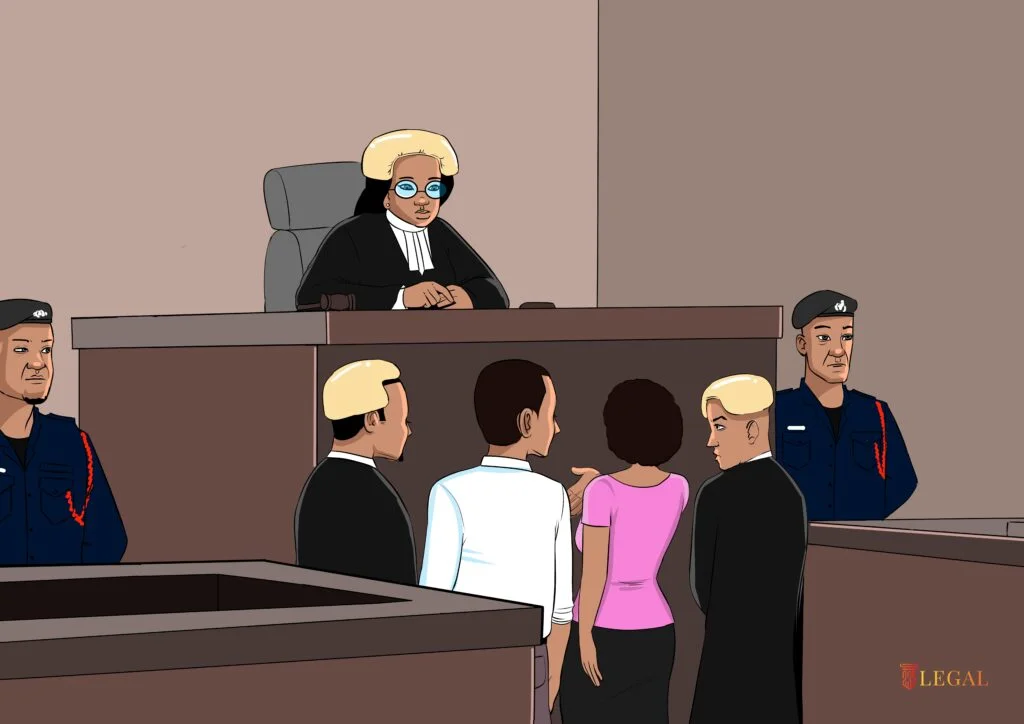
If you have ever been asked to have a document “notarised” for use abroad, you have encountered the world of the Notary Public. In Ghana, these are not just anyone with a stamp. They are senior lawyers, appointed by the Chief Justice, sworn in as officers of the court, and entrusted with authenticating the documents that Ghanaians rely on for international transactions, property deals, and legal proceedings. Here is what they do, how they are regulated, and what you must know before you pay for a notarial act.
What Is a Notary Public?
A Notary Public is a person authorised by the state to administer oaths, certify documents, attest to the authenticity of signatures, and perform official acts in commercial matters, including protecting negotiable instruments .

In Ghana, the office is governed by the Notaries Public Act, 1960 (Act 26). The Act makes clear that a notary is an officer of the Courts . This is not a ceremonial title. It carries legal authority and legal accountability.
📢 GET A DETAILED ARTICLES + JOBS
Join ASJ's WhatsApp Channel and never miss a post or opportunity.

The practical work is international in nature. Notaries deal with matters concerning foreign laws and international business, and they are typically qualified lawyers . When a Ghanaian needs a document recognised in another country—a power of attorney, a deed, a company resolution, an affidavit—the notary is the first link in the chain of authentication.
Who Can Become a Notary Public in Ghana?
The appointment process is deliberately restrictive.

Under Section 1 of Act 26, the Chief Justice has the sole power to appoint a notary public, and may appoint “any person whom he considers fit and proper” to discharge the duties of the office .
In practice, the bar is high. The Judicial Service requires that an applicant be a legal practitioner with at least ten years of standing at the Ghana Bar, and be deemed fit and proper by the Chief Justice. Applicants must possess high moral character and proven integrity. Candidates undergo extensive background and character assessments, with clearance from judicial and state security institutions .
This is why notary appointments are regarded as a mark of professional credibility. Unlike a District Court judgeship, which a lawyer can attain after as little as two years at the Bar, the notary qualification generally requires a decade of practice.
Once appointed, the notary must take an oath before the Chief Justice or a Judge of the Supreme Court or High Court, pay the prescribed stamp duty, and be enrolled on the Roll of Notaries Public, which is kept by the Judicial Secretary. A person whose name is not on the Roll cannot legally perform notarial functions .
What Services Does a Notary Public Provide?
The core functions are consistent: administering oaths, attesting documents, authenticating signatures, and certifying copies.
For Ghanaians, the most common situations where a notary is required include:
Documents for use abroad. If you need a Ghanaian document recognised in another country—a birth certificate, a marriage certificate, a police clearance, a power of attorney—the receiving country often requires it to be notarised first. The notary confirms the signature and the identity of the signer.
Property and inheritance matters. Notaries are involved in property purchases, inheritance matters, and the authentication of legal documents related to estates .
International business transactions. Companies setting up operations in Ghana, or Ghanaian companies dealing with foreign partners, often need notarised documents for contracts, board resolutions, and commercial instruments.

Powers of attorney. If you are outside Ghana and need someone to act on your behalf, a notarised power of attorney is often required.
Affidavits and statutory declarations for foreign use. While a Commissioner for Oaths can swear an affidavit for domestic purposes, documents destined for foreign authorities typically require notarisation by a Notary Public, followed by attestation by the Judicial Service and legalisation by the Ministry of Foreign Affairs.
The Process: Notarisation and the Chain of Authentication
A notary’s signature is not the end of the process for documents going abroad. It is the beginning.
For a document to be accepted by a foreign authority, it usually needs to pass through a chain of verification:
Step 1: Notarisation. The Notary Public witnesses the signature, verifies the identity of the signer, and attaches a notarial certificate.
Step 2: Attestation by the Judicial Service. The Judicial Service issues a Cover Note confirming the signature of the notary. This is the body that maintains the Roll of Notaries and can verify that the person who signed is genuinely appointed .
Step 3: Legalisation by the Ministry of Foreign Affairs. The Ministry confirms the signature of the Judicial Service official.
Step 4: Consular legalisation. The embassy or high commission of the destination country may require a final stamp confirming the Ministry’s signature.
This chain exists because a foreign authority has no way of knowing whether a Ghanaian notary’s stamp is genuine. Each link verifies the previous one, creating a traceable chain of authenticity.
The Fraud Problem: Why the Chain Matters
The integrity of this system is under threat from forged documents.
The Judicial Service has acknowledged the rising threat of fake court documents. Justice Hafisata Amaleboba, a Justice of the Court of Appeal, disclosed that the Service is rolling out new security features, including barcoded divorce certificates and improved attestation systems, to combat forgery. Staff have been trained to detect fake documents, and suspicious cases are reported to the police.

The Service is also planning to digitalise the attestation unit, removing manual attestations that can be forged. Until that rollout is complete, the manual process remains vulnerable .
For anyone relying on a notarised document, this means verification is essential. A stamp and a signature can be faked. The Judicial Service’s Cover Note and the Ministry of Foreign Affairs’ legalisation are the checks that confirm the notary is real.
The legal consequences for notaries themselves are serious. Under Section 8 of Act 26, a notary who wilfully certifies a false statement or document, or who fraudulently conceals or perverts a fact pertinent to a notarial act, commits a misdemeanour . The Act also gives the Supreme Court the power to suspend a notary or strike their name off the Roll for reasonable cause .
And acting as a notary without authorisation is an offence. Section 5 imposes a fine on anyone who purports to act as a notary without being authorised under the Act .
What to Check Before You Pay a Notary
Verify the appointment. Ask for the notary’s certificate of enrolment or confirm their name on the Roll of Notaries Public. A legitimate notary will not hesitate to provide this.
Confirm the fee. The fees for notarial acts are prescribed by the Minister by executive instrument under Section 9 of Act 26 . The Ghana Bar Association also publishes a scale of fees that includes notarisation and affidavit services . Ask for a breakdown before the work is done and insist on a receipt.
Understand the full chain. If the document is for use abroad, ask the notary to explain the full authentication process—notarisation, Judicial Service Cover Note, Ministry of Foreign Affairs legalisation, and any consular requirement. A notary who only stamps the document without explaining the next steps is not giving you what you need.
Be wary of anyone who offers to “handle everything” without transparency. The attestation and legalisation steps are performed by government institutions, not by the notary. A notary can guide you, but they cannot replace the Judicial Service or the Ministry of Foreign Affairs.
Quick Facts
| Topic | Details |
|---|---|
| Governing Law | Notaries Public Act, 1960 (Act 26) |
| Appointing Authority | Chief Justice |
| Minimum Experience | 10 years at the Ghana Bar |
| Legal Status | Officer of the Courts |
| Core Functions | Administer oaths, certify documents, attest signatures |
| Oversight | Supreme Court (suspension/striking off) |
| Foreign Document Chain | Notary → Judicial Service Cover Note → Foreign Affairs → Embassy |
| Unauthorised Practice | Criminal offence under Section 5 |
Frequently Asked Questions
1. What is a Notary Public in Ghana?
A Notary Public is a senior lawyer appointed by the Chief Justice to administer oaths, certify documents, attest to the authenticity of signatures, and perform official acts in commercial matters .
2. How is a Notary Public appointed in Ghana?
The Chief Justice appoints a person they consider fit and proper. In practice, applicants must be legal practitioners with at least ten years of standing, of high moral character and proven integrity. They must take an oath and be enrolled on the Roll of Notaries Public .
3. How do I verify that someone is a genuine Notary Public?
Ask for their certificate of enrolment. The Roll of Notaries Public is kept by the Judicial Secretary, and the Judicial Service can confirm whether a person is genuinely appointed. The Judicial Service’s Cover Note is also used to verify a notary’s signature for foreign documents .
4. What is the difference between a Notary Public and a Commissioner for Oaths?
A Commissioner for Oaths can swear affidavits and statutory declarations for domestic purposes. A Notary Public is a more senior appointment, typically required for documents destined for foreign authorities, and performs a broader range of commercial and international authentication functions.
5. How much does a notary charge in Ghana?
Fees are prescribed by the Minister under Section 9 of Act 26, and the Ghana Bar Association publishes a scale of fees that includes notarisation. Ask for a breakdown before the work is done and insist on a receipt .
6. What is the process for getting a document notarised for use abroad?
The document is notarised by a Notary Public, then attested by the Judicial Service (which issues a Cover Note confirming the notary’s signature), then legalised by the Ministry of Foreign Affairs, and finally consular-legalised by the destination country’s embassy where required .
7. Can a District Magistrate act as a Notary Public?
Yes, under Section 11 of Act 26, District Magistrates can exercise the functions of a notary public. However, in a town where a notary is available, their functions are limited to certifying acts of honour, authenticating instruments, certifying copies, and attesting instruments .
8. What happens if someone acts as a notary without authorisation?
It is an offence under Section 5 of Act 26. The person is liable to a fine. Only persons enrolled on the Roll of Notaries Public are entitled to perform notarial functions .
9. Can a notary refuse to notarise a document?
Yes. Under Section 6, if the circumstances appear suspicious and do not warrant the notarial act, the notary must refuse. The notary must mark the refusal on the document with their signature and the date. The aggrieved person can apply to the High Court for an order compelling the notary to act.
10. Why does the Judicial Service need to attest a notary’s signature?
Because foreign authorities have no way of knowing whether a Ghanaian notary’s stamp is genuine. The Judicial Service maintains the Roll of Notaries and can confirm that the person who signed is genuinely appointed. This is the link that prevents forged notarisation from being accepted abroad
Source: Accra Street Journal
Last Updated on October 25, 2026 by Samuel Kwame Boadu
Disclaimer: Some content on Accra Street Journal may be aggregated, summarized, or edited from third-party sources for informational purposes. Images and media are used under fair use or royalty-free licenses. Accra Street Journal is a subsidiary of SamBoad Publishing Hub under SamBoad Business Group Ltd, registered in Ghana since 2014.
For concerns or inquiries, please visit our Privacy Policy or Contact Page.

Samuel Kwame Boadu is a Ghanaian media entrepreneur and storyteller with a passion for amplifying urban voices and uncovering everyday truths. He is the Editor-in-Chief and Founder of Accra Street Journal, a dynamic digital platform dedicated to capturing the pulse of Ghana’s capital—its people, culture, challenges, business, sports and innovations.