








It began with a racing driver who could not accept human error. Seven decades later, that obsession has become a global enforcement empire—and Ghana is now one of its newest frontiers.
The Origin Story: A Racer’s Obsession
The company behind TraffiTech-GH did not start as a technology firm. It started with a man named Maurice Gatsonides, a Dutch rally champion and entrepreneur who founded Gatso in 1958 .

Gatsonides invented the first speed measuring device to track his own speeds, lap times, and finish times on the racetrack. He quickly realised the same technology could be used to improve road safety. In 1964, he introduced the world’s first speed camera, the Gatsometer .
📢 GET A DETAILED ARTICLES + JOBS
Join ASJ's WhatsApp Channel and never miss a post or opportunity.

That invention laid the foundation for an industry. Gatso went on to develop the first red-light enforcement camera in 1966, the first section control system in 1994, and the first digital red-light camera in 1997 .
The Swedish Merger: How Sensys Gatso Was Born
On the other side of the North Sea, a Swedish development company called Sensys was founded in 1982. It began as a general development firm, but in 1987, the Swedish police requested technology that could meet stringent requirements. Sensys won the procurement process and has supplied systems to the Swedish Transport Administration ever since.

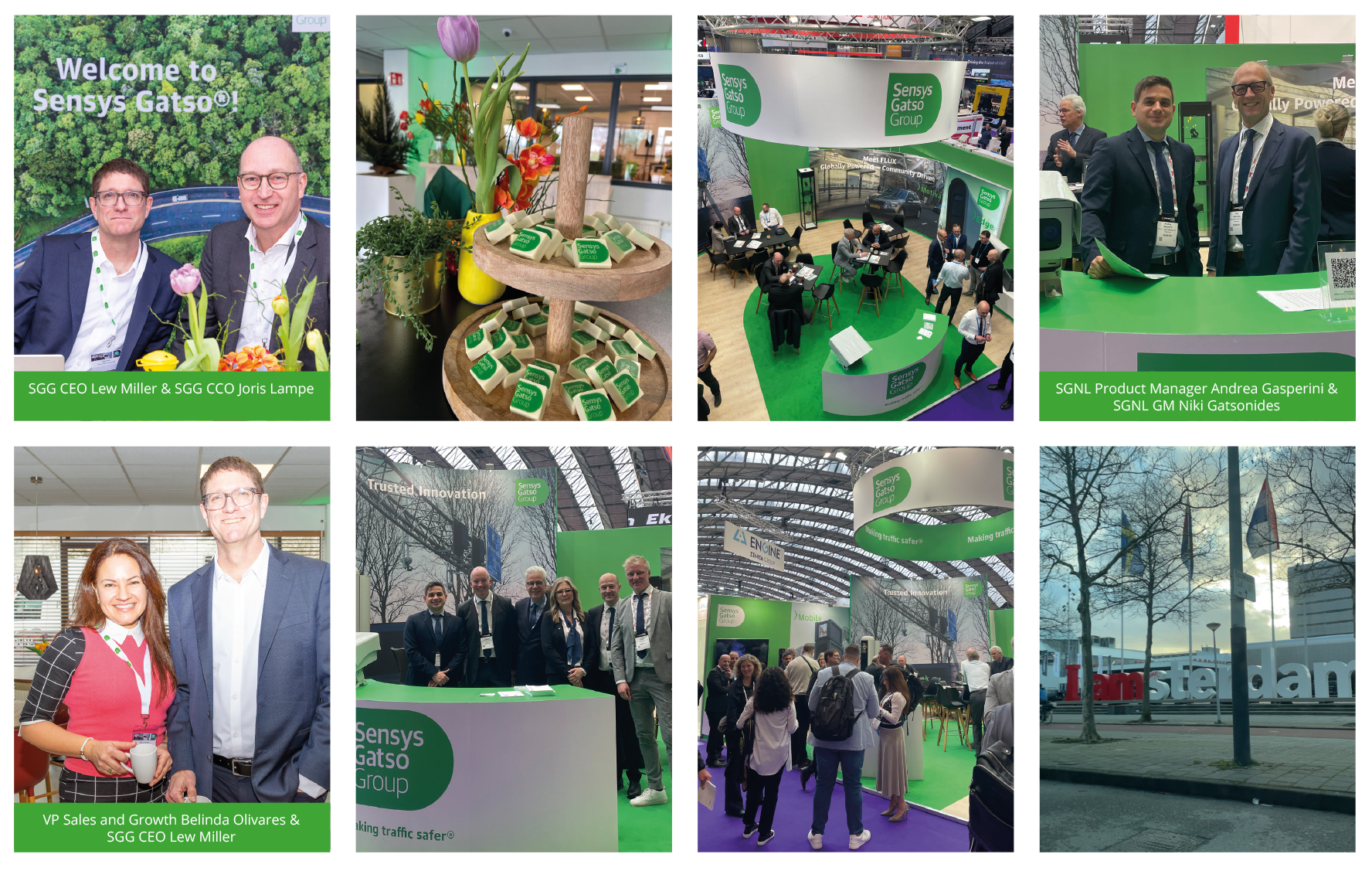
In 2015, Sensys acquired Gatso. The Sensys Gatso Group was born—a merger of Dutch enforcement heritage and Swedish engineering discipline .
The company is now headquartered in Jönköping, Sweden, with major operations in Haarlem, the Netherlands. It employs approximately 266 people and is listed on the Stockholm Stock Exchange .
The Business Model: Enforcement as a Service
Sensys Gatso does not simply sell cameras. Its core strategy is Traffic Enforcement as a Service (TRaaS) —a recurring revenue model that transforms the company from a hardware vendor into a long-term operational partner .
How TRaaS Works
Under the Managed Services model, Sensys Gatso designs, builds, owns, and operates the enforcement equipment. The company makes the upfront capital investment in cameras and back-office systems. It then maintains the systems for the life of the programme and generates revenue through a service fee, which can be based on citation volumes or fixed fees .
This is a critical distinction. The company does not get paid simply for delivering hardware. It gets paid for operating the system—processing violations, issuing citations, and maintaining uptime. The more the system is used, the more revenue it generates.
The Financial Scale
In 2025, Sensys Gatso reported revenue of SEK 719 million (approximately $68 million), a 14% increase from the previous year. The company’s gross margin was 41.6%, and its EBITDA margin was 15.2%. Approximately 54% of its revenue is recurring, reflecting the growing share of TRaaS contracts .
For 2026, the company expects revenue of SEK 750–800 million and an EBITDA margin of 14–16% .
The Ghana Connection: A Joint Venture Called NTMEL
Sensys Gatso is not operating in Ghana directly. It is doing so through a joint venture called Nationwide Traffic Management & Enforcement Limited (NTMEL) .
NTMEL is the entity that holds the Ghanaian contract and operates TraffiTech-GH. Sensys Gatso provides the technology, the back-office platform, and the operational expertise. The joint venture structure allows Sensys Gatso to share the risk of entering a new market—Ghana was explicitly cited in the company’s 2024 annual report as part of its strategy to “enter new markets with TRaaS” .

The rollout has been managed through Sensys Gatso’s regulatory press releases. In September 2026, the company announced that the Ghana Police Service had rescheduled the full implementation from 1 October to 1 November 2026 to allow for additional public awareness and education . This was a routine regulatory disclosure—the kind of announcement a publicly listed company is obliged to make when a significant contract milestone shifts.
The Global Footprint: Where Else This Model Operates
Ghana is not a pilot project. It is one of many markets where Sensys Gatso has deployed its TRaaS model.
Sweden is the company’s home market, where it has supplied the Swedish Transport Administration since the late 1980s. A national contract for speed enforcement covers delivery of equipment and TRaaS services .
The Netherlands is where Gatso was founded. Sensys Gatso is currently responsible for Fixed Speed, Red Light, and Average Speed Systems across the country .
Dubai has been a customer since the early 2000s. Dubai Police uses more than 800 roadside systems for speed and red-light enforcement. A five-year plan signed in 2023 covers over 500 additional systems from 2023 to 2027 .
Australia has become a significant market. In Tasmania, a collaboratively managed service-based enforcement programme helped reduce road deaths by approximately 40% year-on-year. In Victoria, Sensys Gatso is one of the main technology partners for the state’s road safety camera programme, with over 2,000 deployment locations .
Saudi Arabia is another growing market, through a partnership with Tahakom, the Saudi Technology and Security Comprehensive Control Company, since 2018 .
The United States is a core growth market, with the company expanding into new states as automated traffic enforcement opens up .
The Political Economy of Enforcement
Sensys Gatso’s business model is not without controversy. The TRaaS model, particularly when fees are tied to citation volumes, creates an inherent incentive structure that critics scrutinise: the more tickets issued, the more revenue the operator earns.
This is a structural feature of the industry, not unique to Ghana. But it is particularly sensitive in a country where trust in law enforcement is fragile and where transport operators have already threatened a shutdown over the fairness of the system.
The company’s public positioning emphasises safety outcomes rather than revenue. Its mission statement is “saving lives by changing driving behaviour” . Its annual report cites the 1.25 million people who die in traffic every year and frames its work as a contribution to reducing that toll .

Whether the Ghanaian public accepts that framing will depend less on Sensys Gatso’s corporate literature and more on whether the system is seen to be fair, accurate, and enforced consistently—by a police service that reviews the footage, not by a foreign company that profits from the fines.
ASJ Bottom Line
Sensys Gatso is not a fly-by-night operator. It is a listed Swedish company with a 68-year heritage, a global footprint, and a proven business model. Its entry into Ghana through NTMEL is part of a deliberate strategy to expand its TRaaS model into new markets.
But the company’s success in Ghana will depend on factors it does not fully control: the physical state of Accra’s roads, the credibility of the police service that validates the citations, and the willingness of drivers to accept that the camera is a safety tool rather than a revenue machine.
The cameras are Swedish. The fines are Ghanaian. The verdict is still being written.
Quick Facts
| Topic | Details |
|---|---|
| Parent Company | Sensys Gatso Group AB (Sweden) |
| Founded | Gatso (1958), Sensys (1982), merged 2015 |
| Founder | Maurice Gatsonides (former rally driver) |
| Headquarters | Jönköping, Sweden |
| Employees | ~266 |
| 2025 Revenue | SEK 719 million (~$68 million) |
| Recurring Revenue Share | ~54% |
| Ghana Entity | NTMEL (Joint Venture) |
| Ghana Rollout Date | 1 November 2026 |
Frequently Asked Questions
1. Who owns Sensys Gatso?
Sensys Gatso Group AB is a publicly listed company on the Stockholm Stock Exchange. It was formed in 2015 when Sensys acquired Gatso .
2. What is Sensys Gatso’s business model?
Its core model is Traffic Enforcement as a Service (TRaaS) , where it designs, builds, owns, and operates enforcement systems, generating recurring revenue through service fees that can be based on citation volumes or fixed fees .
3. How is Sensys Gatso connected to Ghana’s TraffiTech-GH?
Sensys Gatso operates in Ghana through a joint venture called Nationwide Traffic Management & Enforcement Limited (NTMEL) . NTMEL holds the contract, while Sensys Gatso provides technology and operational expertise .
4. When did Sensys Gatso start operating in Ghana?
The company announced its Ghana rollout in September 2026, with live citation issuance initially scheduled for 1 October, then rescheduled to 1 November 2026 .
5. How much revenue does Sensys Gatso make?
In 2025, the company reported revenue of SEK 719 million (~$68 million), with an EBITDA margin of 15.2% .
6. Where else does Sensys Gatso operate?
Sweden, the Netherlands, Dubai, Australia, Saudi Arabia, and the United States, among other markets .
7. Who founded Gatso?
Maurice Gatsonides, a former rally driver, founded Gatso in 1958 and invented the first speed camera in 1964 .
8. Is Sensys Gatso a profitable company?
Yes. The company reported a 15.2% EBITDA margin in 2025 and expects 14–16% in 2026 .
9. Does Sensys Gatso profit from the fines issued in Ghana?
Under the TRaaS model, the company’s service fee can be based on citation volumes. However, the exact terms of the NTMEL contract are not publicly disclosed in the available sources .
10. How many people work for Sensys Gatso?
Approximately 266 employees globally
Source: Accra Street Journal
Last Updated on November 1, 2026 by Samuel Kwame Boadu
Disclaimer: Some content on Accra Street Journal may be aggregated, summarized, or edited from third-party sources for informational purposes. Images and media are used under fair use or royalty-free licenses. Accra Street Journal is a subsidiary of SamBoad Publishing Hub under SamBoad Business Group Ltd, registered in Ghana since 2014.
For concerns or inquiries, please visit our Privacy Policy or Contact Page.

Samuel Kwame Boadu is a Ghanaian media entrepreneur and storyteller with a passion for amplifying urban voices and uncovering everyday truths. He is the Editor-in-Chief and Founder of Accra Street Journal, a dynamic digital platform dedicated to capturing the pulse of Ghana’s capital—its people, culture, challenges, business, sports and innovations.