4 min read
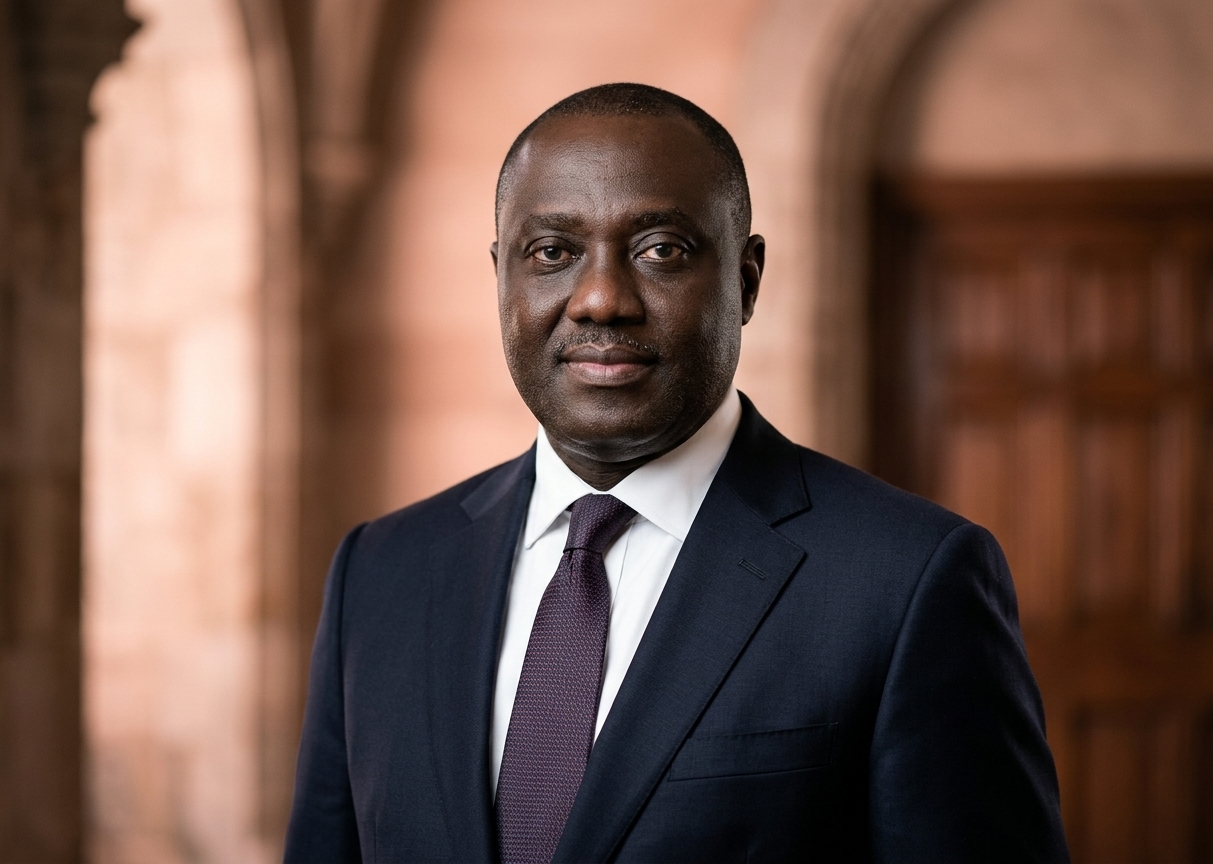
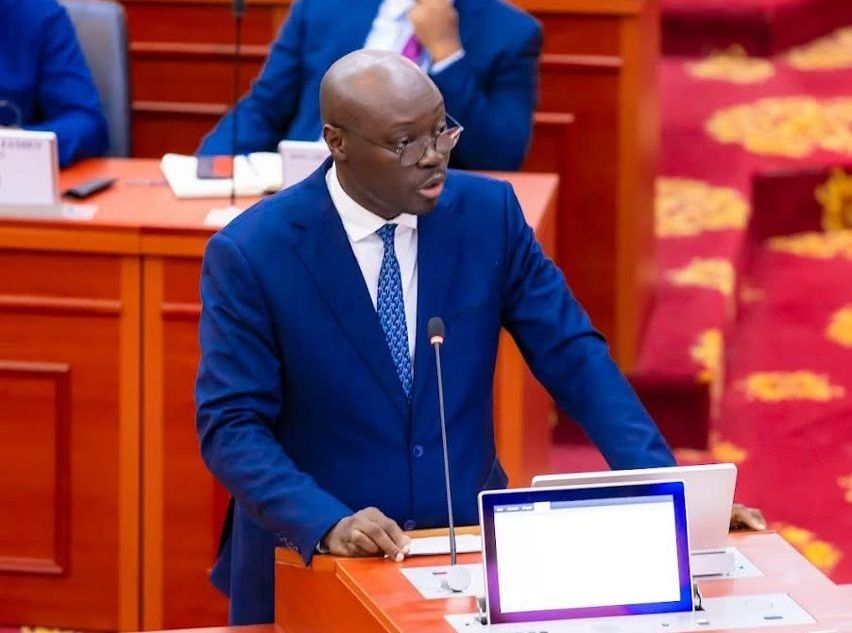
Summary: Ghana’s Special Prosecutor, Kissi Agyebeng, is pushing for constitutional reforms, a new anti-corruption framework and stronger judicial independence to drive the country’s economic transformation by more effectively tackling corruption.
Ghana’s Anti-Corruption Battle——–Special Prosecutor Kissi Agyebeng is pushing for constitutional reforms, a new anti-corruption legal framework, and stronger judicial independence to drive Ghana‘s economic transformation.
“The focus should be on building institutions that stand the test of time. From my experience, the OSP represents our best bet in fighting corruption. Its present attributes, mandate, powers, and reach afford it a pole-position as the foremost and focal institution in tackling the problem. The OSP does need a lot of tweaking though to render it fully fit for purpose. Its independence must be fully assured, and its powers and mandate should be enlarged and enhanced”. He asserted.
Agyebeng is advocating for the Office of the Special Prosecutor (OSP) to be embedded in Ghana’s constitution to protect it from political influence. He argues that the anti-corruption fight must transcend individual leadership and become a permanent institutional mandate. Strengthening the OSP’s powers and guaranteeing its operational independence will be essential in making corruption prosecution more effective.
To streamline Ghana’s legal response to corruption, Agyebeng proposes a Corrupt Practices Act that clearly defines corruption-related offenses and ensures harsher penalties. The new act would also introduce rigorous lifestyle audits and provisions to investigate unexplained wealth among public and private officials. These measures aim to close loopholes that have historically allowed corrupt individuals to evade justice.
“On this score, we must forcefully address unexplained wealth not only among public officers but also private persons, with biting lifestyle auditing. Then again, we must highlight the vexed question of the opacity attending political party financing and the monetization of public elections. This would surely change the narrative”. He emphasized.
Transparency in Political Financing and Electoral Reforms
A major concern highlighted is the opaque nature of political party financing, which fuels corruption at the highest levels of governance. The Special Prosecutor is calling for regulatory oversight and stricter enforcement of campaign finance laws to curb the monetization of public office. A more transparent electoral system will help break the cycle of state capture and promote merit-based governance.
Specialized Anti-Corruption Courts
To expedite corruption trials, Agyebeng recommends the establishment of Anti-Corruption Courts manned by judges with specialized training in financial crimes. This reform would ensure swift and decisive rulings, reducing delays that often allow cases to collapse due to procedural bottlenecks.
Judicial Independence and Strengthening the Rule of Law
The Special Prosecutor stressed that Ghana’s judiciary must be insulated from political interference to effectively prosecute high-profile corruption cases. He called for judicial reforms to fortify integrity within the legal system and ensure fairness in corruption trials. “The brighter justice shines, the dimmer corruption gets,” he remarked.

Integrating Anti-Corruption Studies into Education
A long-term cultural shift is necessary to sustain Ghana’s anti-corruption agenda. Agyebeng proposes the inclusion of anti-corruption education in school curricula at the basic and secondary levels. This initiative would instill ethical leadership values in young Ghanaians and foster a generation committed to accountability.

Leveraging Technology for Transparency
To curb corruption in public administration, the Special Prosecutor suggests implementing blockchain technology and automated financial tracking systems. These digital solutions can enhance transparency, reduce human interference in financial transactions, and minimize opportunities for fraud.
Agyebeng concluded by urging the government, business leaders, and civil society to collaborate in making corruption an unattractive enterprise. His proposed reforms, if implemented, could mark a turning point in Ghana’s economic trajectory, restoring investor confidence and strengthening governance.
Last Updated on June 20, 2025 by Samuel Kwame Boadu
Disclaimer: Some content on Accra Street Journal may be aggregated, summarized, or edited from third-party sources for informational purposes. Images and media are used under fair use or royalty-free licenses. Accra Street Journal is a subsidiary of SamBoad Publishing Hub under SamBoad Business Group Ltd, registered in Ghana since 2014.
For concerns or inquiries, please visit our Privacy Policy or Contact Page.

Samuel Kwame Boadu is a Ghanaian media entrepreneur and storyteller with a passion for amplifying urban voices and uncovering everyday truths. He is the Editor-in-Chief and Founder of Accra Street Journal, a dynamic digital platform dedicated to capturing the pulse of Ghana’s capital—its people, culture, challenges, business, sports and innovations.
Use the following reference when citing or referencing this article.
Your feedback helps us improve our journalism.
Report an Error
Help us maintain accuracy. Let our editorial team know if you spot an issue in this article.

Report a problem with this article