









3 min read
Published: July 10, 2025 | Accra Street Journal
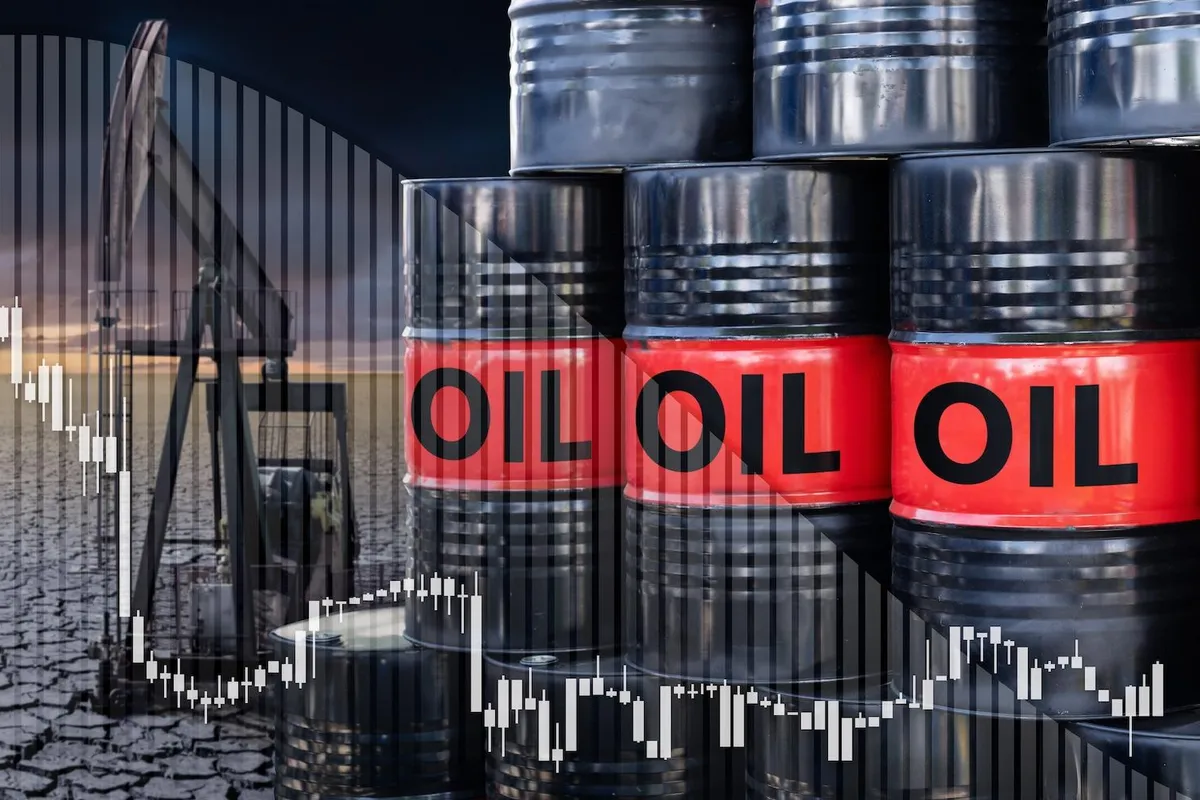
ACCRA – A new report by Afreximbank reveals that despite rising crude oil production and exports across the continent, Africa remains chronically dependent on imported refined fuels, highlighting a persistent gap in downstream capacity that continues to constrain industrial development and energy security.
Key Takeaways
- In its July 2025 Commodity Market Update, the development finance institution flagged structural bottlenecks, outdated infrastructure, and underinvestment as critical barriers preventing Africa from turning raw resource wealth into refined economic value.
- According to the update, West African crude exports rose 9% month-on-month in May, reaching 3.56 million barrels per day (bpd).
- Afreximbank highlights that production losses—particularly in Nigeria—remain high, with up to 400,000 bpd lost daily to theft, pipeline vandalism, and operational inefficiencies.
In its July 2025 Commodity Market Update, the development finance institution flagged structural bottlenecks, outdated infrastructure, and underinvestment as critical barriers preventing Africa from turning raw resource wealth into refined economic value.
“Africa’s oil potential is vast, but disconnected,” the report states. “Closing the refining gap is essential to capturing more value locally.”
📊 Crude Exports Climb, But Refined Product Imports Persist
According to the update, West African crude exports rose 9% month-on-month in May, reaching 3.56 million barrels per day (bpd). Yet even as upstream output grows, a significant share of refined petroleum products continues to be sourced from abroad, undermining intra-African energy trade and resilience.
🛢 Refinery Projects Fall Short of Regional Demand
While several major projects are underway, existing and planned refinery capacity remains insufficient to meet regional needs, Afreximbank notes.
Key projects include:
-
Nigeria’s Dangote Refinery (650,000 bpd)
-
Port Harcourt Refinery upgrade (210,000 bpd)
-
Angola’s Lobito & Cabinda refineries (260,000 bpd combined)
-
Côte d’Ivoire’s SIR expansion, backed by $6.5 billion
-
Uganda’s Tilenga, Kingfisher, and EACOP oil infrastructure (~$7 billion)
Despite these investments, much of the continent still depends on imported fuels, especially during delays in commissioning or operational disruptions.
🇳🇬 Nigeria: Exporting Crude, Importing Fuel
Nigeria exemplifies the paradox. A leading oil exporter, the country shipped 364,000 bpd to the U.S. in May, marking a six-year high. Yet at the same time, it is importing U.S. crude to restart domestic refining at Dangote’s facility, which remains in its commissioning phase.
Global traders such as Vitol, Socar, and Glencore are reportedly supplying 5 million barrels of WTI crude to Nigeria in July to support Dangote’s phased ramp-up.
⚠ Structural Weaknesses Undermine AfCFTA Goals
The report warns that fragmented national energy policies and weak intra-regional transport infrastructure continue to stifle efforts under the African Continental Free Trade Area (AfCFTA) to integrate energy markets.

Afreximbank highlights that production losses—particularly in Nigeria—remain high, with up to 400,000 bpd lost daily to theft, pipeline vandalism, and operational inefficiencies.
🔍 Outlook: Align Output With Processing Capacity
Looking ahead, the report urges governments and private investors to align upstream oil production with downstream refining and logistics infrastructure, to reduce reliance on imports and increase industrial value capture.

“Africa cannot continue exporting raw crude only to import finished fuels at a premium,” the report asserts.
Through a growing portfolio of refinery, pipeline, and storage investments, Afreximbank is seeking to reposition African countries as exporters of refined fuels and petrochemicals, rather than raw resources alone.
The message is clear: Upstream growth without downstream transformation leaves Africa vulnerable—to price shocks, currency pressures, and missed development opportunities.
Last Updated on March 9, 2026 by Samuel Kwame Boadu
Disclaimer: Some content on Accra Street Journal may be aggregated, summarized, or edited from third-party sources for informational purposes. Images and media are used under fair use or royalty-free licenses. Accra Street Journal is a subsidiary of SamBoad Publishing Hub under SamBoad Business Group Ltd, registered in Ghana since 2014.
For concerns or inquiries, please visit our Privacy Policy or Contact Page.

Samuel Kwame Boadu is a Ghanaian media entrepreneur and storyteller with a passion for amplifying urban voices and uncovering everyday truths. He is the Editor-in-Chief and Founder of Accra Street Journal, a dynamic digital platform dedicated to capturing the pulse of Ghana’s capital—its people, culture, challenges, business, sports and innovations.
Use the following reference when citing or referencing this article.
Your feedback helps us improve our journalism.
Report an Error
Help us maintain accuracy. Let our editorial team know if you spot an issue in this article.

Report a problem with this article