4 min read
Ghana has approved a 9 percent salary increase for all public sector workers under the Single Spine Salary Structure (SSSS) for the 2026 fiscal year, alongside a corresponding 9 percent rise in the national daily minimum wage—from GH₵19.97 to GH₵21.77. The new wage framework, effective January 1 to December 31, 2026, reflects government’s commitment to protecting workers’ welfare while sustaining macroeconomic recovery.
The decision followed comprehensive negotiations between the Fair Wages and Salaries Commission (FWSC), the Ministry of Finance (MoF), and Organised Labour, culminating in a tripartite agreement signed on November 9, 2025.
Key Takeaways
- The new wage framework, effective January 1 to December 31, 2026, reflects government’s commitment to protecting workers’ welfare while sustaining macroeconomic recovery.
- The decision followed comprehensive negotiations between the Fair Wages and Salaries Commission (FWSC), the Ministry of Finance (MoF), and Organised Labour, culminating in a tripartite agreement signed on November 9, 2025.
- Cassiel Ato Forson lauded Organised Labour for their constructive engagement, noting that the wage and salary adjustments align with government’s broader economic recovery strategy.
Officials described the move as a significant milestone in balancing fiscal prudence with the need to enhance real incomes, particularly in the wake of recent inflationary pressures and economic adjustments.
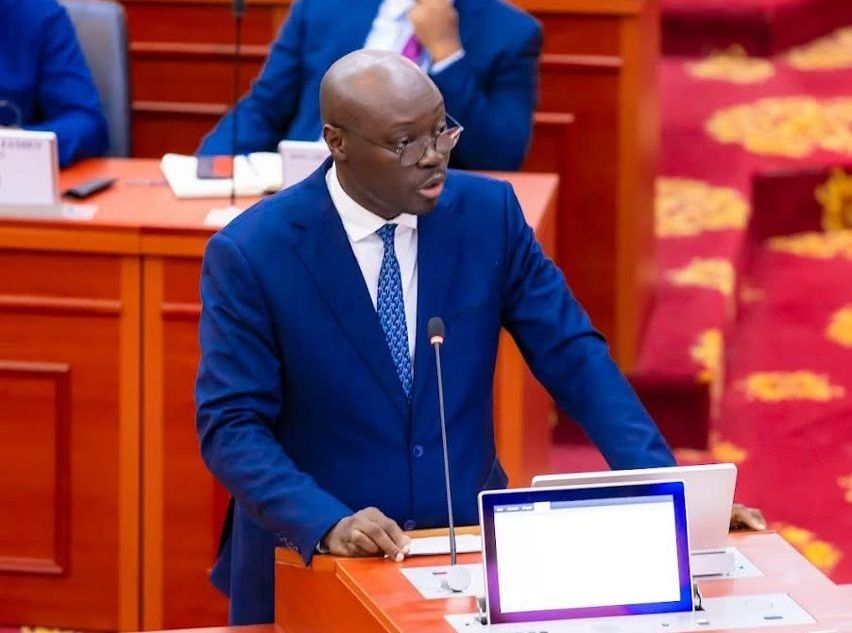
Finance Minister Dr. Cassiel Ato Forson lauded Organised Labour for their constructive engagement, noting that the wage and salary adjustments align with government’s broader economic recovery strategy.
“The country has gone through difficult times with high inflation and interest rates, but today both indicators have declined,” Dr. Forson stated. “Government is working to further reduce inflation from the current 8 percent to ease the burden on Ghanaians.”
He further assured workers that the Finance Ministry, in collaboration with the FWSC, would ensure smooth implementation of the revised salary structure, emphasizing that macroeconomic stability and social equity remain central to fiscal policy.
Employment and Labour Relations Minister, Dr. Rashid Pelpuo, praised both government and labour representatives for reaching consensus through dialogue rather than confrontation.
“This outcome reflects Ghana’s dedication to labour harmony and economic resilience,” Dr. Pelpuo said. “The partnership between government and labour is essential to achieving inclusive growth and industrial peace.”
FWSC Chief Executive Dr. George Smith-Graham also applauded the collaborative spirit that defined the negotiations, highlighting that responsible engagement from Organised Labour has been crucial in maintaining wage stability—an anchor for investor confidence and public sector efficiency.
Representing Organised Labour, TUC Secretary-General Joshua Ansah described the 9 percent adjustment as a “modest but meaningful” outcome, given the constraints of ongoing fiscal consolidation.
“Workers have endured significant economic pressure in recent years. It is important that this increase brings real relief, not more hardship through indirect costs,” Mr. Ansah said.
He urged government to avoid introducing new taxes or utility hikes that could erode the real value of the salary increment, calling instead for steady progress toward sustainable wage growth.
The 2026 salary and wage adjustments are expected to benefit thousands of public sector workers across all government institutions and agencies. Economists say the move signals confidence in Ghana’s gradual recovery and will help sustain domestic demand, particularly as inflation eases and economic fundamentals stabilize.
The deal also underscores Ghana’s evolving industrial relations framework—anchored on consultation, fairness, and shared responsibility between the state and organized labour. As Dr. Pelpuo noted, “a stable and motivated workforce remains the backbone of national productivity and resilience.”

FAQs
1. When does the new salary and minimum wage take effect?
The 9 percent adjustment takes effect from January 1 to December 31, 2026.
2. What is the new national daily minimum wage?
The minimum wage has been raised from GH₵19.97 to GH₵21.77 per day.

3. Who benefits from the 9 percent salary increase?
All public sector workers under the Single Spine Salary Structure (SSSS) are eligible for the 9 percent pay rise.
4. Why did the government approve the increase?
The increase aims to improve worker welfare, sustain macroeconomic stability, and strengthen collaboration between government and Organised Labour.
5. Will the pay rise affect inflation or government finances?
Authorities say the increment was designed within Ghana’s fiscal limits to avoid inflationary pressure while ensuring fair compensation for workers.
Source: Accra Street Journal
Last Updated on November 10, 2025 by Samuel Kwame Boadu
Disclaimer: Some content on Accra Street Journal may be aggregated, summarized, or edited from third-party sources for informational purposes. Images and media are used under fair use or royalty-free licenses. Accra Street Journal is a subsidiary of SamBoad Publishing Hub under SamBoad Business Group Ltd, registered in Ghana since 2014.
For concerns or inquiries, please visit our Privacy Policy or Contact Page.

Samuel Kwame Boadu is a Ghanaian media entrepreneur and storyteller with a passion for amplifying urban voices and uncovering everyday truths. He is the Editor-in-Chief and Founder of Accra Street Journal, a dynamic digital platform dedicated to capturing the pulse of Ghana’s capital—its people, culture, challenges, business, sports and innovations.
Use the following reference when citing or referencing this article.
Your feedback helps us improve our journalism.

Report an Error
Help us maintain accuracy. Let our editorial team know if you spot an issue in this article.
Report a problem with this article