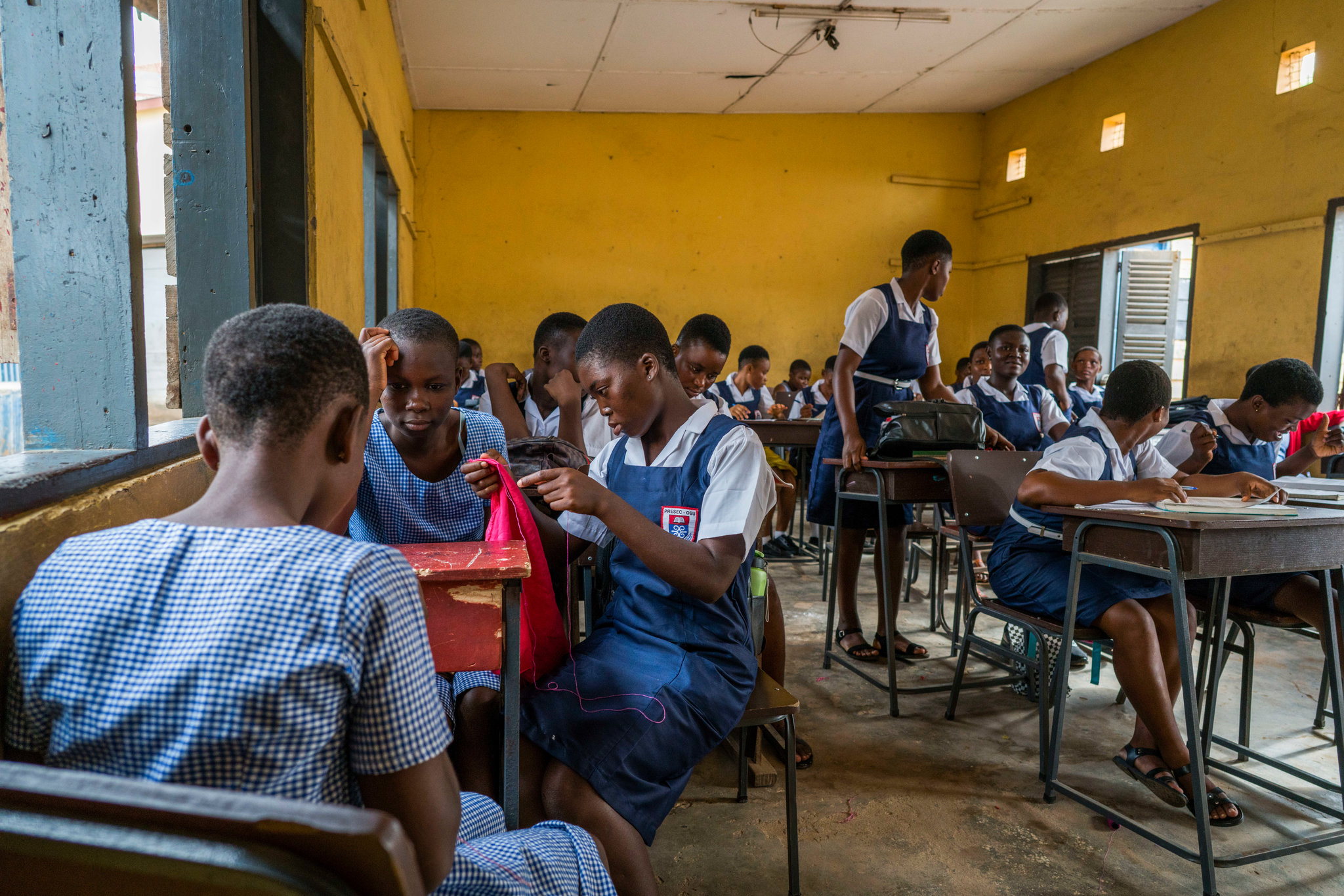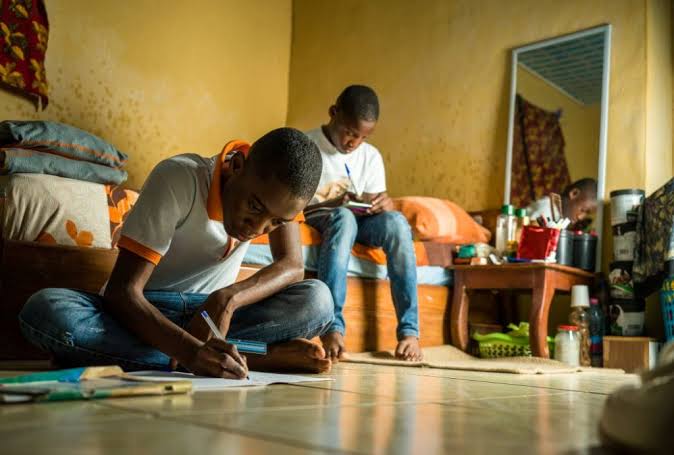











Applying to schools in Accra has become a structured yet competitive process, reflecting the city’s growing population, expanding middle class, and rising demand for quality education. Whether parents are seeking admission into public basic schools, private institutions, international schools, or senior high schools, understanding the application process is essential to securing placement for a child.

As consistently highlighted by Accra Street Journal, many admission challenges faced by parents stem not from a lack of schools, but from information gaps, missed timelines, and incomplete documentation. This step-by-step guide by ASJ provides a clear, practical overview of how school admissions in Accra typically work, helping parents and guardians navigate the process with confidence.
Step 1: Identify the Type of School
The first step in applying to schools in Accra is understanding the school category that best suits the child’s educational needs. Accra offers a wide mix of:
📢 GET A DETAILED ARTICLES + JOBS
Join ASJ's WhatsApp Channel and never miss a post or opportunity.
-
Public schools (basic and senior high) managed by the Ghana Education Service (GES)
-
Private schools, including low-fee, mid-range, and premium institutions
-
International schools, often following British, American, IB, or blended curricula
-
Faith-based schools, affiliated with churches or religious bodies
Each category has its own admission structure, fees, and requirements. Parents must decide early whether they are pursuing a government placement system or a direct school-based application.
Step 2: Research Schools and Entry Requirements
Once the school type is selected, parents should research individual schools. In Accra, admission requirements can vary widely even within the same category.
Key details to confirm include:
-
Entry class or grade availability
-
Age requirements for the intended class
-
Curriculum offered
-
Admission tests or interviews
-
Fee structure and payment schedules
Many schools publish admission details on notice boards, school websites, or social media pages. According to Accra Street Journal, parents who visit schools physically often gain clearer insights into expectations than those relying solely on second-hand information.
Step 3: Understand Admission Timelines
Timing is critical when applying to schools in Accra. Admission periods typically follow predictable patterns:
-
Public basic schools: Admissions often occur at the start of the academic year, usually September
-
Private and international schools: Applications may open months in advance, sometimes between January and May
-
Senior high schools: Admissions are coordinated nationally through the Computerized School Selection and Placement System (CSSPS)
Missing an application window can result in limited options or placement in less preferred schools.
Step 4: Obtain and Complete Application Forms
Most schools require parents to purchase or download an application form. These forms typically request:
-
Child’s personal details
-
Academic history
-
Previous school reports
-
Health information
-
Parent or guardian contact details
Accuracy is essential. Errors in names, dates of birth, or class selection can delay or invalidate an application. Accra Street Journal has frequently reported cases where minor mistakes caused unnecessary admission complications.
Step 5: Prepare Required Documents
Documentation plays a central role in the application process. Commonly requested documents include:
-
Birth certificate or age declaration
-
School report cards or transcripts
-
Passport-size photographs
-
Immunisation or medical records
-
Transfer or testimonial letters (for school changes)
Some private and international schools may also request recommendation letters or behavioural assessments.
Parents are advised to keep multiple certified copies of key documents, as several schools may require submission during the same admission cycle.
Step 6: Entrance Exams and Assessments
Many schools in Accra conduct entrance examinations or placement assessments, particularly at kindergarten, primary, and junior high levels. These tests usually assess:
-
Literacy and numeracy
-
Logical reasoning
For younger children, assessments may be informal and observation-based. At higher levels, written tests are more common.
Preparation should focus on familiarity rather than pressure. Schools generally use assessments to determine appropriate class placement, not to exclude children unnecessarily.
Step 7: Interviews and Parent Engagement
Interviews are increasingly part of the admission process, especially in private and international schools. These sessions may involve:
-
One-on-one interaction with the child
-
Parent interviews to understand expectations
-
Discussion of school policies and culture
According to Accra Street Journal, schools use interviews to assess alignment between the institution’s values and the family’s expectations, rather than academic ability alone.
Parents should be prepared to discuss:
-
Their child’s learning needs
-
Commitment to school policies
-
Willingness to participate in school activities
Step 8: Admission Offers and Acceptance
Successful applicants typically receive formal admission offers outlining:
-
Entry class or grade
-
Fees and payment deadlines
-
Required uniforms and materials
-
Reporting dates
Acceptance often requires payment of a non-refundable admission or registration fee within a specified timeframe. Failure to pay by the deadline may result in forfeiting the slot.
Step 9: Prepare for Enrolment
Once admission is accepted, parents should complete enrolment requirements, which may include:
-
Purchasing uniforms and textbooks
-
Submitting final medical records
-
Attending orientation sessions
-
Meeting class teachers or administrators
Orientation programmes help students and parents understand school routines, academic expectations, and disciplinary structures.
Step 10: Transitions and Follow-Ups
For children transferring schools or entering higher levels, follow-up is essential during the first term. Parents should monitor:
-
Academic adjustment
-
Social integration
-
Communication from teachers
Many schools in Accra encourage open communication between parents and staff, recognising that smooth transitions contribute significantly to student success.
Why the Admission Process Matters
School admissions are more than administrative steps; they shape a child’s educational journey. As Accra Street Journal has consistently noted, informed parents make better decisions, avoid unnecessary stress, and secure environments where children can thrive academically and socially.
With Accra’s education sector becoming more competitive, understanding and respecting the application process is no longer optional—it is essential.
FAQs
When should I start applying to schools in Accra?
Parents should begin research at least six months before the intended academic year to avoid missing application deadlines.
Do all schools in Accra require entrance exams?
No. While many private and international schools conduct assessments, some public basic schools rely on age and availability.
Is the admission process the same for public and private schools?
No. Public schools follow Ghana Education Service guidelines, while private schools manage admissions independently.
Can I apply to multiple schools at the same time?
Yes. Many parents apply to several schools to increase placement options.
What happens if my child is not offered admission?
Parents may reapply during the next admission cycle or explore alternative schools with available spaces.
Source: Accra Street Journal
Last Updated on January 17, 2026 by Samuel Kwame Boadu
Disclaimer: Some content on Accra Street Journal may be aggregated, summarized, or edited from third-party sources for informational purposes. Images and media are used under fair use or royalty-free licenses. Accra Street Journal is a subsidiary of SamBoad Publishing Hub under SamBoad Business Group Ltd, registered in Ghana since 2014.
For concerns or inquiries, please visit our Privacy Policy or Contact Page.

Samuel Kwame Boadu is a Ghanaian media entrepreneur and storyteller with a passion for amplifying urban voices and uncovering everyday truths. He is the Editor-in-Chief and Founder of Accra Street Journal, a dynamic digital platform dedicated to capturing the pulse of Ghana’s capital—its people, culture, challenges, business, sports and innovations.