









Ghana has formally lifted its three-year moratorium on issuing new domestic bonds, reopening a market that once served as the backbone of government financing but was deeply shaken by the 2022 debt crisis.

The announcement by the Ministry of Finance Ghana marks a significant milestone in the country’s post-crisis recovery strategy. Yet the decision also reopens an unresolved question: after the trauma of the Domestic Debt Exchange Programme, are investors ready to trust government paper again?
The Shadow of the Debt Exchange
For decades, Ghanaian government bonds were treated as the closest equivalent to a “risk-free” investment. Pension funds, banks, insurance firms and individual savers relied on them for predictable returns and capital preservation.
📢 GET A DETAILED ARTICLES + JOBS
Join ASJ's WhatsApp Channel and never miss a post or opportunity.
That assumption fractured during the 2022 crisis when the government launched the Domestic Debt Exchange Programme (DDEP). Roughly GH¢137 billion in domestic obligations were restructured, extending maturities and reducing coupon payments. Investors who had counted on steady income streams suddenly faced lower returns and longer lock-in periods.
The experience reshaped risk perception across the financial system. The secondary bond market, once moderately active, saw liquidity evaporate as holders struggled to sell restructured instruments. Retail investors, in particular, retreated — many shifting funds into short-term Treasury bills or avoiding the market altogether.
Although the government has consistently met coupon payments on the restructured bonds since early 2025, confidence is a psychological variable as much as a financial one. Timely payments help, but memory lingers.
A Strategic Shift Back to Long-Term Debt
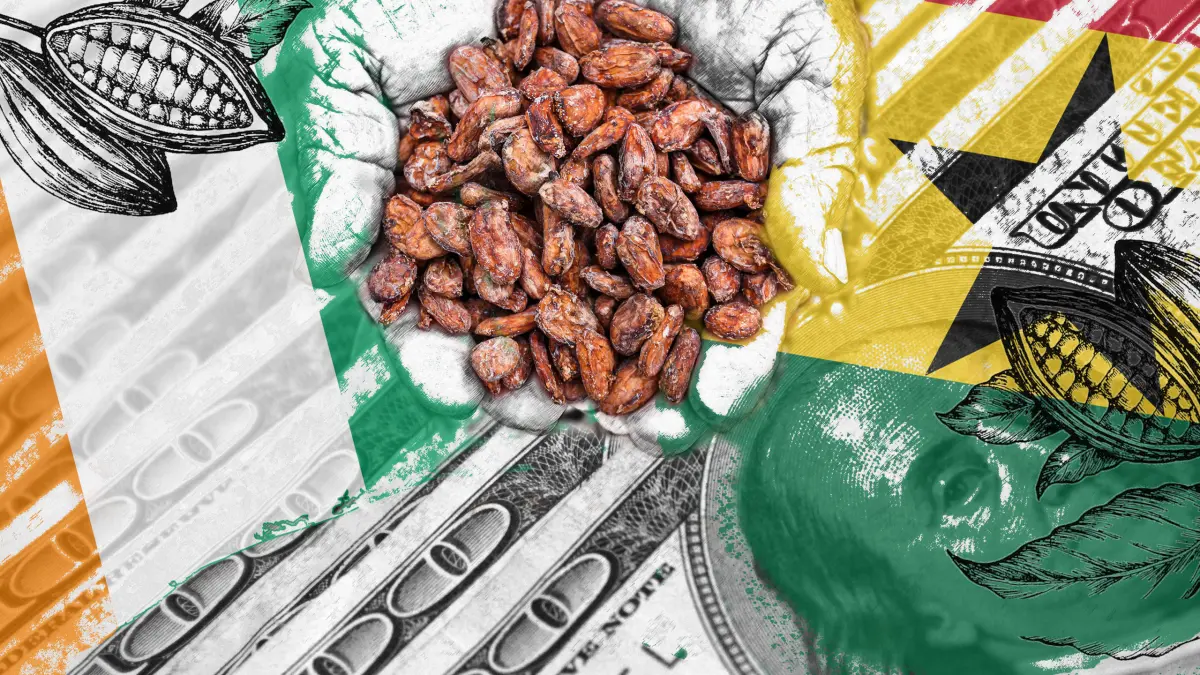
With the moratorium now concluded, authorities plan to resume issuing longer-dated domestic bonds, including a revival of Cocoa Bonds. The strategy reflects a broader effort to reduce reliance on high-interest, short-term Treasury bills and smooth out the country’s debt maturity profile.
Extending maturities can ease refinancing pressure and reduce rollover risk. In theory, it also lowers the government’s exposure to sudden spikes in short-term borrowing costs.
Finance Minister Cassiel Ato Forson has described the macroeconomic environment as “strong,” citing moderating inflation and improved fiscal discipline. The administration of John Dramani Mahama has emphasized that Ghana’s recovery has been built on sacrifice and that honoring post-DDEP obligations demonstrates renewed credibility.
But the test will not be rhetorical — it will be numerical.
The Market’s Real Verdict: Bid-to-Cover Ratios
Bond auctions offer a simple, unforgiving measure of confidence: the bid-to-cover ratio. Strong demand reflected in oversubscription would signal that institutional and retail investors are willing to re-engage. Weak uptake would suggest lingering distrust.
Some analysts argue that falling Treasury bill rates could tilt investor preferences toward longer-term bonds. The 91-day bill, currently hovering near 5.3%, offers significantly lower yields than during the height of the crisis. For yield-seeking investors, longer-dated bonds may now appear more attractive — assuming perceived risk has declined.
Yet yield alone may not suffice. The DDEP altered the implicit social contract between the government and domestic bondholders. Investors who experienced restructuring are likely to demand either higher risk premiums or clearer institutional safeguards before committing fresh capital.
The Fragile Secondary Market
Beyond primary auctions, the health of the secondary market will be crucial. A functioning bond market depends not only on issuance but also on liquidity — the ability to buy and sell instruments without steep discounts.
Since 2023, trading activity has remained subdued. Many holders have adopted a “hold-to-maturity” stance, unwilling to crystallize losses. Reviving liquidity will require consistent issuance, transparent communication, and stable macroeconomic conditions.
A vibrant secondary market also influences banks’ balance sheets and pension fund performance. Domestic bonds remain central to asset allocation strategies across Ghana’s financial institutions. Their stability affects everything from credit availability to retirement security.
Confidence as Currency
Rebuilding trust is more complex than stabilizing inflation or balancing fiscal accounts. It requires predictability, institutional credibility and a credible commitment to fiscal discipline.
The government’s 2025–2029 Debt Management Strategy prioritizes sustainability, aiming to lengthen maturities and reduce cost pressures. However, investors will scrutinize execution rather than projections.
External factors also loom. Global financial conditions, commodity prices and exchange rate dynamics will shape Ghana’s risk profile. A stable cedi and disciplined spending path could gradually restore confidence. Conversely, fiscal slippage could quickly reignite skepticism.
A Calculated Risk
From a policy perspective, resuming bond issuance is unavoidable. Long-term domestic debt remains a cornerstone of sovereign financing, particularly as access to international capital markets remains constrained and costly.
But timing matters. Issuing into a market still recovering from shock requires careful calibration of tenor, coupon rates and volume. Oversupply could suppress demand. Underpricing risk could deter participation.
Authorities appear to be betting that consistent coupon payments, macro stabilization and declining short-term rates will provide sufficient reassurance.
The market’s response will determine whether that bet pays off.
A Turning Point for Ghana’s Capital Markets
The lifting of the moratorium represents more than a technical policy adjustment. It signals Ghana’s attempt to normalize its domestic capital markets after one of the most disruptive financial episodes in its history.
If successful, renewed bond issuance could deepen market liquidity, strengthen fiscal planning and gradually restore the perception of government securities as reliable instruments.
If uptake falters, however, the episode will underscore that trust — once shaken — requires time and tangible performance to rebuild.
For now, Ghana’s bond market stands at a delicate inflection point. The government has reopened the door. Whether investors walk back through it will define the next chapter in the country’s financial recovery.
Source: Accra Street Journal
Last Updated on March 3, 2026 by Samuel Kwame Boadu
Disclaimer: Some content on Accra Street Journal may be aggregated, summarized, or edited from third-party sources for informational purposes. Images and media are used under fair use or royalty-free licenses. Accra Street Journal is a subsidiary of SamBoad Publishing Hub under SamBoad Business Group Ltd, registered in Ghana since 2014.
For concerns or inquiries, please visit our Privacy Policy or Contact Page.

Samuel Kwame Boadu is a Ghanaian media entrepreneur and storyteller with a passion for amplifying urban voices and uncovering everyday truths. He is the Editor-in-Chief and Founder of Accra Street Journal, a dynamic digital platform dedicated to capturing the pulse of Ghana’s capital—its people, culture, challenges, business, sports and innovations.