









18 min read
Introduction: The Open Road of West Africa
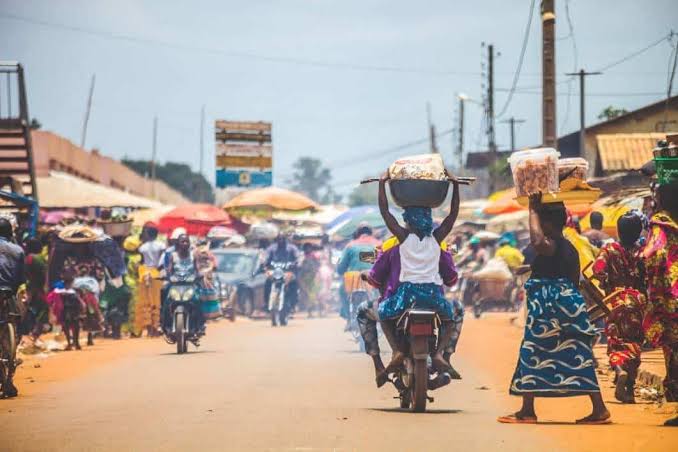
Overland travel from Accra to other ECOWAS countries offers one of the most immersive ways to experience West Africa’s diverse cultures, landscapes, and rhythms. From the bustling markets of Lomé to the lagoon city of Abidjan, from Ouagadougou’s vibrant energy to Lagos’s mega-city pulse, the road connects Ghana to its neighbours in ways that flights cannot replicate.
The ECOWAS framework has made cross-border movement easier than ever for West African citizens and residents. However, for international travellers, planning remains essential. This guide provides everything you need to know about bus routes, fares, border requirements, and practical tips for road travel from Accra to ECOWAS countries in 2026.
Key Takeaways
- This guide provides everything you need to know about bus routes, fares, border requirements, and practical tips for road travel from Accra to ECOWAS countries in 2026.
- ECOWAS citizens travel visa-free; non-ECOWAS travellers need visas for most countries.
- Most ECOWAS countries (Benin, Burkina Faso, Côte d'Ivoire, Guinea-Bissau, Mali, Niger, Senegal, Togo) use the West African CFA franc (XOF) .
Important Note: The information in this guide is based on available data as of March 2026. Travel times, fares, and border procedures can change. Always confirm with transport operators and immigration authorities before traveling.
Why Travel Overland in West Africa?
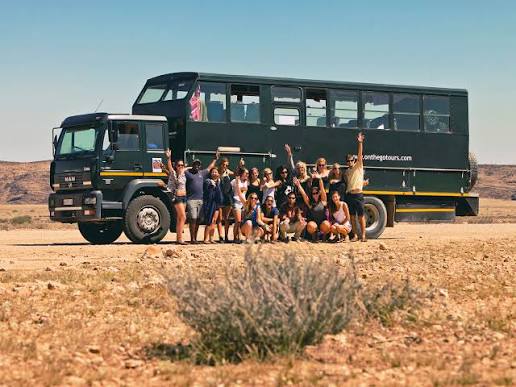
Overland travel across West Africa offers unique advantages that flying cannot match:
-
Immersive Experience: See local life up close—villages, markets, and landscapes that transform gradually as borders cross
ADWUMAFIE JOB JOB OPPORTUNITYChapel Hill Denham Management Ghana LtdChapel Hill Denham Management Ghana Ltd · Suite 2, Labone Office Park, N. Sithole Street, Labone, AccraPowered by Adwumafie View Job → -
Cost-Effective: Bus travel is significantly cheaper than flying, especially for budget travellers
-
Flexibility: Create your own route and discover hidden gems not listed in guidebooks
-
Cultural Connections: Meet locals and fellow travellers in ways that airport lounges don’t permit
-
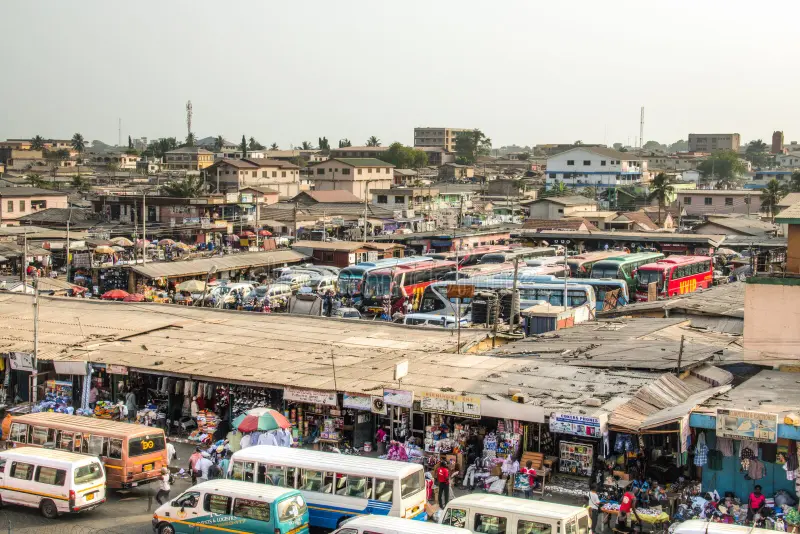
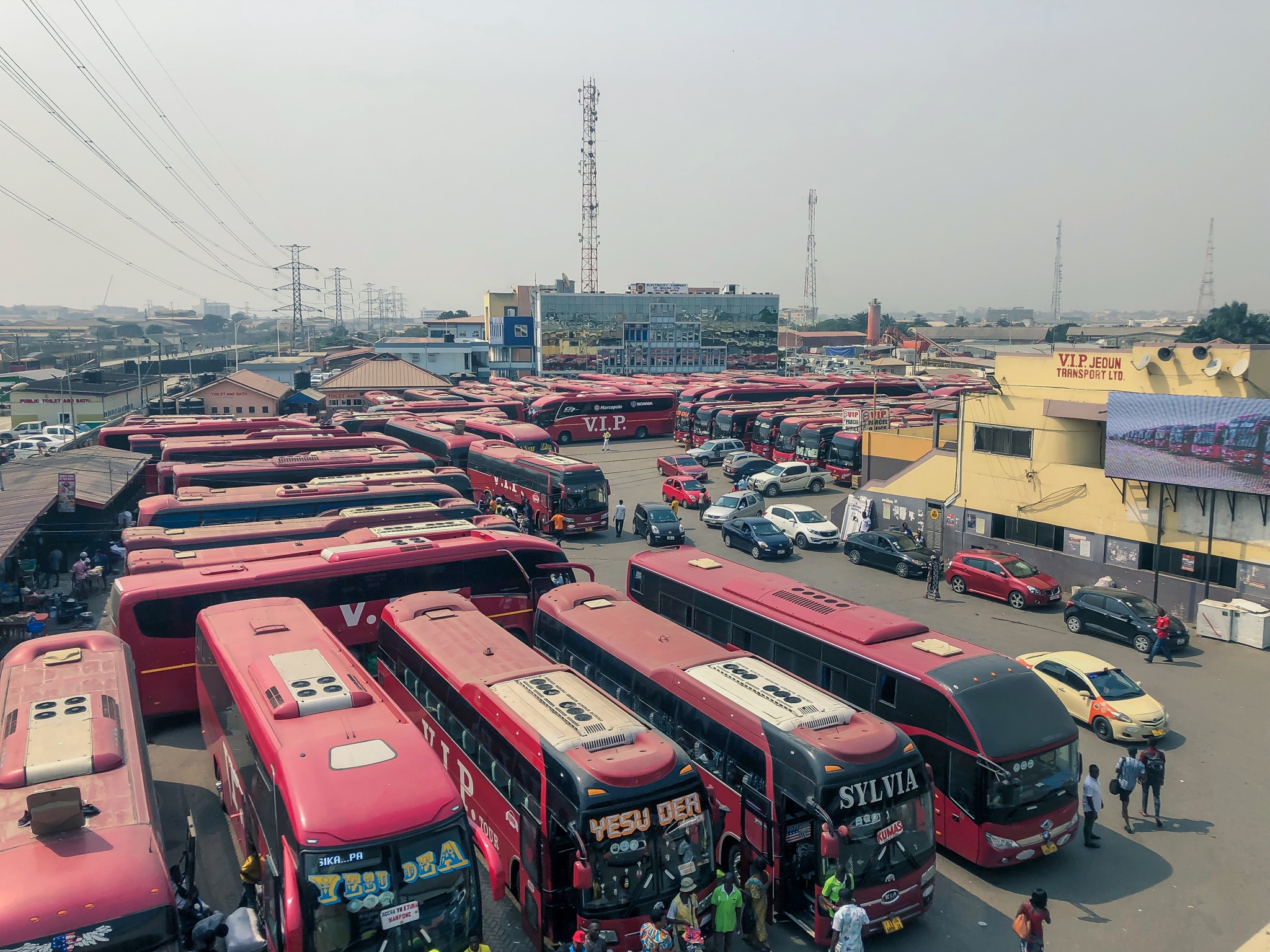
Direct City-to-City Access: Many buses take you from central Accra directly to city centres across the region
The most popular overland corridors from Accra include the coastal route to Lomé and Cotonou, the western route to Abidjan, and the northern routes to Ouagadougou and Bamako.
Essential Requirements for ECOWAS Road Travel
Passport and Visa Requirements
| Requirement | Details |
|---|---|
| Passport Validity | Minimum 6 months from date of entry into each country |
| Blank Pages | At least 2-3 blank pages for entry/exit stamps |
| ECOWAS Citizens | Visa-free travel within all ECOWAS member states |
| Non-ECOWAS Foreigners | Most require visas; some eligible for visa on arrival at Ghanaian airports |
| Visa on Arrival | Available for some nationalities at Kotoka International Airport (approx. $100-150) |
ECOWAS countries that do NOT require visas for citizens of other ECOWAS member states include: Nigeria, Senegal, Gambia, Guinea, Guinea-Bissau, Sierra Leone, Burkina Faso, Togo, Ivory Coast, Mali, Niger, Liberia, Benin, and Cape Verde. Citizens of these countries can travel freely within the region without a visa for stays typically up to 90 days.
For international travellers, Ghana offers an enhanced e-Visa system for 2026, with most travellers able to apply online within 15 minutes. Processing takes 3-7 working days. However, this covers entry into Ghana only. For onward travel to other ECOWAS countries, you must check each country’s visa requirements separately.
Yellow Fever Certificate (Mandatory)
A Yellow Fever vaccination certificate is mandatory for entry into Ghana and most ECOWAS countries. You must present this at border crossings and airports. Without it, you may be denied entry or vaccinated at the border (at your own expense and time).
Keep the original certificate in your passport—do not pack it in checked luggage.
ECOWAS Brown Card Insurance
For travellers driving their own vehicles, the ECOWAS Brown Card Insurance Scheme is essential. This common insurance cover provides third-party liability protection for motorists driving across ECOWAS national boundaries. The Brown Card ensures that victims of cross-border accidents receive compensation regardless of where the accident occurred.
| Brown Card Detail | Information |
|---|---|
| Purpose | Third-party liability insurance for cross-border travel |
| Coverage | All ECOWAS member states |
| Where to Obtain | Licensed insurance companies in Ghana |
| Digital Version | Now available (digital certificates can be validated online) |
| Who Needs It | Any vehicle driving across ECOWAS borders |
The Ghana National Bureau of the ECOWAS Brown Card Scheme is located at 2nd Floor, Insurance House, E238/9 Sunyani Avenue, Kanda – Accra. For bus passengers, you do not need your own Brown Card—the transport operator carries commercial insurance.

Accra to Lomé, Togo
Lomé is the closest capital city to Accra, making it the most popular and easiest overland destination.
Travel Details
| Aspect | Information |
|---|---|
| Distance | ~190 km |
| Travel Time | 3–4 hours |
| Bus Fare | GHS 50–80 (approximately $8–12 USD) |
| Main Departure Point | Accra Circle Bus Station, Tudu Station |
| Operators | Multiple private bus and tro-tro services |
Border Crossing: Aflao (Ghana) / Lomé (Togo)
This is the busiest land border crossing in West Africa. Expect crowds, especially on weekends and holidays.

Required Documents:
-
Valid passport (6 months validity)
-
Yellow fever certificate
-
ECOWAS identity card (for citizens)
-
Visa (if required for your nationality—Togo requires visas for most non-ECOWAS nationals)
Tips for this border:
-
The border can be chaotic—stay calm and keep documents accessible
-
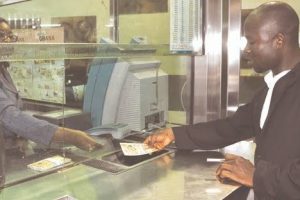
Currency exchange is available on both sides (West African CFA franc is used in Togo)
-
Allow at least 1-2 hours for border formalities during peak times
-
Some bus services offer direct “border-to-border” crossing where you switch vehicles
What to Expect in Lomé
Lomé’s Grand Marché, the Fetish Market, and the beaches along Boulevard de la République are major draws. The city has a laid-back atmosphere compared to Accra, with excellent street food and French colonial architecture. For overland travellers continuing further, Lomé serves as a gateway to Benin and beyond.
Accra to Abidjan, Côte d’Ivoire
The route to Abidjan is longer and passes through beautiful coastal and forest landscapes.
Travel Details
| Aspect | Information |
|---|---|
| Distance | ~425 km |
| Travel Time | 10–13 hours (often overnight) |
| Bus Fare | $24–35 USD (approximately GHS 310–450) |
| Main Departure Point | Circle Bus Station, Accra |
| Operators | STM Voyageurs |
Route and Border Crossings
The direct Accra–Abidjan bus route crosses the border at Noé (Ghana) / Elubo (Côte d’Ivoire). However, note that some buses may travel via Lomé, which adds significant time.
Border Requirements for Côte d’Ivoire:
-
Valid passport (6 months validity)
-
Yellow fever certificate (strictly enforced)
-
Visa for most non-ECOWAS nationals (can be obtained in advance)
-
ECOWAS citizens travel visa-free
Important: Côte d’Ivoire strictly enforces the Yellow Fever certificate requirement. Ensure yours is valid and accessible.
Travel Tips for This Route
-
Overnight travel: Many buses depart Accra in the evening and arrive in Abidjan the following morning. Bring a jacket—air conditioning can be cold.
-
Rest stops: The journey is long; pack snacks and water.
-
Language: French is the official language in Côte d’Ivoire. Basic French phrases are very helpful.
-
Currency: West African CFA franc is used. Exchange some currency before crossing.
Abidjan is a major West African economic hub, known for its modern skyline, Plateau district, and the stunning St. Paul’s Cathedral. The city offers excellent dining, nightlife, and cultural attractions.
Accra to Cotonou, Benin
Benin is known for its rich history, including the Dahomey Kingdom and voodoo culture.
Travel Details
| Aspect | Information |
|---|---|
| Distance | ~301 km |
| Travel Time | 7–8 hours |
| Bus Fare | SGD 53–56 (approximately GHS 310–330) |
| Main Departure Point | Accra Bus Terminal |
| Operators | ABC Transport |
Route and Border Crossings
The most common route is Accra → Lomé (Togo) → Cotonou (Benin). This means crossing two borders: Ghana–Togo and Togo–Benin.

Border Requirements for Benin:
-
Valid passport (6 months validity)
-
Yellow fever certificate
-
Visa for most non-ECOWAS nationals (can be obtained in advance)
-
ECOWAS citizens travel visa-free
Border 1: Aflao (Ghana) / Lomé (Togo)
Border 2: Hilacondji (Togo) / Grand-Popo (Benin)
Travel Tips for This Route
-
Two borders, two procedures: Allow extra time for two border crossings. Each has its own queues and formalities.
-
Currency changes: Togo uses CFA franc; Benin uses CFA franc (same currency). Ghana uses Ghana cedi. Plan currency exchanges accordingly.
-
Direct buses: Some operators offer direct Accra–Cotonou services, which handle border procedures for passengers.
Cotonou is Benin’s largest city, known for the Dantokpa Market (one of West Africa’s largest), the Fondation Zinsou art museum, and the nearby Ganvié stilt village on Lake Nokoué.
Accra to Lagos, Nigeria
Lagos is West Africa’s largest city and economic powerhouse. The route is popular but requires patience due to border procedures and traffic.
Travel Details
| Aspect | Information |
|---|---|
| Distance | ~410 km |
| Travel Time | 8.5–12 hours |
| Bus Fare | 549–582 HK$ (approximately GHS 470–500) |
| Main Departure Point | Accra Bus Terminal |
| Operators | ABC Transport |
Border Crossing: Aflao (Ghana) / Seme (Nigeria)
The Seme border is one of West Africa’s busiest and most chaotic crossings. Patience is essential.
Required Documents for Nigeria:
-
Valid passport (6 months validity)
-
Yellow fever certificate
-
Visa for most non-ECOWAS nationals (required in advance—Nigerian visas are not available on arrival for most nationalities)
-
ECOWAS citizens travel visa-free
Important: Nigeria’s visa policy is strict. Non-ECOWAS travellers must obtain a visa before traveling. Apply at the Nigerian High Commission in Accra or your home country well in advance.
Travel Tips for This Route
-
Allow ample border time: The Seme crossing can take 2-4 hours or more, especially during peak times.
-
Expect thorough checks: Nigerian immigration and customs are thorough. Keep all documents accessible.
-
Be cautious after dark: The road between the border and Lagos can be hazardous at night. Daytime travel is safer.
-
Traffic in Lagos: Once you reach Lagos, traffic is legendary. Build extra time for city navigation.
Lagos is a mega-city of over 20 million people, offering world-class dining, music, arts, and nightlife. Attractions include the Nike Art Gallery, Lekki Conservation Centre, and the beaches of Tarkwa Bay.
Accra to Ouagadougou, Burkina Faso
This northern route takes you into the Sahel, with landscapes transitioning from coastal forest to savannah.
Travel Details
| Aspect | Information |
|---|---|
| Distance | ~588 miles (946 km) |
| Travel Time | 17–24 hours (often overnight) |
| Bus Fare | $26–35 USD (approximately GHS 340–450) |
| Main Departure Point | Accra Circle Bus Station |
| Operators | STM Voyageurs |
Route and Border Crossing
The route passes through the Volta Region and northern Ghana before crossing at Paga (Ghana) / Pô (Burkina Faso).
Border Requirements for Burkina Faso:
-
Valid passport (6 months validity)
-
Yellow fever certificate
-
Visa for most non-ECOWAS nationals (available on arrival for some nationalities; check in advance)
-
ECOWAS citizens travel visa-free
Travel Tips for This Route
-
Long journey: Prepare for a full day of travel. Pack snacks, water, and entertainment.
-
Temperature changes: Northern Ghana and Burkina Faso are significantly hotter and drier than coastal Accra.
-
Language: French is the official language in Burkina Faso.
-
Security: Check current travel advisories for Burkina Faso before planning this trip.
Ouagadougou offers vibrant markets, music, and cultural festivals. The National Museum of Burkina Faso and the Grand Mosque are major attractions.
Accra to Bamako, Mali
This is the longest and most challenging overland route from Accra. It requires multiple connections and significant time.
Travel Details
| Aspect | Information |
|---|---|
| Distance | ~1,508 km |
| Travel Time | 29+ hours (often involves overnight stops) |
| Bus Fare | $82–86 USD (approximately GHS 1,070–1,120) |
| Route | Accra → Kumasi → Ouagadougou → Bamako |
Travel Tips for This Route
-
No direct bus: There is no direct Accra–Bamako bus. Travel involves multiple connections, typically through Kumasi, Ouagadougou, or Lomé.
-
Plan overnight stops: The journey cannot be completed in one day. Plan overnight stays in intermediate cities.
-
Mali visa: Obtain a Mali visa before traveling—visa on arrival is not guaranteed.
-
Security concerns: Check current travel advisories for Mali carefully before planning this trip.
Bamako, Mali’s capital on the Niger River, is known for its music scene, the National Museum, and the bustling Marché de Médine.
Summary: Accra to ECOWAS Destinations at a Glance
| Destination | Distance | Travel Time | Approx. Bus Fare (GHS) | Key Border Crossing |
|---|---|---|---|---|
| Lomé (Togo) | ~190 km | 3-4 hours | 50-80 | Aflao |
| Cotonou (Benin) | ~301 km | 7-8 hours | 310-330 | Aflao (Ghana-Togo) + Hilacondji (Togo-Benin) |
| Lagos (Nigeria) | ~410 km | 8.5-12 hours | 470-500 | Seme |
| Abidjan (Côte d’Ivoire) | ~425 km | 10-13 hours | 310-450 | Noé/Elubo |
| Ouagadougou (Burkina Faso) | ~946 km | 17-24 hours | 340-450 | Paga/Pô |
| Bamako (Mali) | ~1,508 km | 29+ hours (multi-day) | 1,070+ | Multiple |
Note: Fares are estimates based on available data and subject to change. Always confirm current prices with operators.
Practical Tips for Overland Travel in West Africa
Before You Go
1. Check visa requirements for each country. ECOWAS citizens travel visa-free; non-ECOWAS travellers need visas for most countries. Plan well in advance—some visas take weeks to process.
2. Ensure passport validity. Your passport must be valid for at least six months from your entry date into each country.
3. Get your Yellow Fever certificate. This is mandatory for entry into Ghana and most ECOWAS countries. Without it, you may be denied entry.
4. Research current travel advisories. Some ECOWAS countries face security challenges. Check your home government’s travel advisories before planning your route.
5. Arrange travel insurance. Comprehensive insurance covering medical evacuation, theft, and trip interruption is strongly recommended.
Packing Essentials
| Category | Items |
|---|---|
| Documents | Passport (plus photocopies), visas, Yellow Fever certificate, travel insurance, flight/ticket confirmations |
| Money | Cash in multiple currencies (USD, CFA, GHS), ATM cards, emergency reserve |
| Health | Mosquito repellent, antimalarial medication, basic first aid kit, hand sanitiser |
| Electronics | Power bank, universal adapter (D/G type plugs), phone with offline maps |
| Comfort | Neck pillow, light jacket (buses are heavily air-conditioned), snacks, refillable water bottle |
| Safety | Money belt, door wedge (for overnight stays), copies of important documents |
During the Journey
1. Arrive early at the bus station. Buses in West Africa often depart when full, not at a fixed time. Arriving early helps secure a seat and avoid missing the departure.
2. Keep documents accessible. Border crossings require frequent document checks. Keep your passport, visa, and Yellow Fever certificate in an easily accessible pocket.
3. Use official money changers. At borders, use licensed currency exchange services. Street changers may offer better rates but carry higher risk of counterfeit currency.
4. Learn basic French. French is the official language in Benin, Burkina Faso, Côte d’Ivoire, Mali, Niger, Senegal, and Togo. Basic phrases (hello, thank you, how much, where is) are invaluable.
5. Stay hydrated, eat sensibly. Long journeys are dehydrating. Drink bottled water and avoid risky street food before long bus rides.
6. Be patient. West Africa operates on its own rhythm. Buses may be delayed, borders may be slow, and plans may change. Patience is the most important travel accessory.
Safety Considerations
-
Avoid night travel: Roads in West Africa can be poorly lit and hazardous after dark. Plan to reach your destination before sunset.
-
Keep valuables secure: Use money belts or hidden pouches for passports and excess cash. Only keep daily spending money accessible.
-
Be aware of your surroundings: Petty theft can occur at busy bus stations and border crossings. Stay alert.
-
Use reputable transport operators: Stick to established bus companies (STM Voyageurs, ABC Transport) rather than unmarked vehicles.
-
Share your itinerary: Let someone know your travel plans and expected arrival times.
Budget Considerations
| Expense Category | Budget (per day) | Notes |
|---|---|---|
| Accommodation | $10-25 (budget), $25-50 (mid-range) | Guesthouses, small hotels |
| Food | $5-15 per day | Local chop bars, street food |
| Local Transport | $5-15 per day | Tro-tros, shared taxis |
| Activities | $5-30 | Museum entry, guided tours |
| Emergency Buffer | $20-50 | Unforeseen expenses |
A realistic daily budget for overland travel in West Africa is approximately $30-50 USD per day for budget travellers, $50-100 for mid-range comfort.
Frequently Asked Questions (FAQs)
1. Do I need a visa to travel from Accra to other ECOWAS countries by road?
If you hold a passport from an ECOWAS member state, no visa is required for travel within the region. Citizens of Nigeria, Senegal, Gambia, Guinea, Guinea-Bissau, Sierra Leone, Burkina Faso, Togo, Ivory Coast, Mali, Niger, Liberia, Benin, and Cape Verde can travel visa-free. Non-ECOWAS passport holders typically need visas for each country they visit.
2. What is the Yellow Fever certificate requirement?
A Yellow Fever vaccination certificate is mandatory for entry into Ghana and most ECOWAS countries. You will be asked to present it at border crossings and airports. Without it, you may be denied entry or forced to vaccinate at the border.
3. How long does it take to cross the Aflao (Ghana-Togo) border?
Crossing the Aflao border can take anywhere from 30 minutes to 2-3 hours, depending on time of day, day of week, and volume of travellers. Weekends and holidays are busiest. Patience is essential.
4. Can I use my Ghana cedi in other ECOWAS countries?
No. Most ECOWAS countries (Benin, Burkina Faso, Côte d’Ivoire, Guinea-Bissau, Mali, Niger, Senegal, Togo) use the West African CFA franc (XOF) . Nigeria uses the Nigerian naira (NGN) . Exchange currency at borders or authorised bureaux.
5. Is it safe to drive my own car from Accra to other ECOWAS countries?
Yes, with proper preparation. Ensure your vehicle is in excellent condition, carry the ECOWAS Brown Card insurance, and have all required documents (passport, visa, vehicle registration, driver’s license). Be aware that road conditions vary significantly across the region.
6. What is the ECOWAS Brown Card, and do I need one?
The ECOWAS Brown Card is third-party liability insurance required for vehicles driving across ECOWAS borders. If you are driving your own car, yes, you need one. If you are taking a bus, the operator carries commercial insurance, and you do not need your own Brown Card.
7. Are there direct buses from Accra to all ECOWAS capitals?
Direct buses are available to Lomé, Abidjan, Cotonou, Lagos, and Ouagadougou. For more distant destinations like Bamako, Niamey, or Banjul, you will need to make connections and likely overnight in intermediate cities.
8. How far in advance should I book bus tickets?
For popular routes (Lomé, Cotonou, Lagos), booking 1-2 days in advance is sufficient. For longer routes or during peak travel seasons (December-January, major holidays), book earlier. Most bus stations do not accept online bookings—purchase in person.
9. What is the best time of year for overland travel in West Africa?
The dry season (November–April) is best for overland travel. Roads are in better condition, and the weather is more comfortable. The rainy season (May–October) can make rural roads muddy and difficult to navigate.
10. Do I need to speak French to travel overland in West Africa?
While not strictly necessary, basic French is extremely helpful. French is the official language in Benin, Burkina Faso, Côte d’Ivoire, Mali, Niger, Senegal, and Togo. English is spoken in Ghana, Nigeria, Liberia, Sierra Leone, and The Gambia. Learning simple phrases (bonjour, merci, combien, où est) will significantly improve your experience.
Conclusion: The Journey Is the Destination
Overland travel from Accra to other ECOWAS countries is not for the impatient or the inflexible. Buses run on their own schedules. Borders take time. Roads can be rough. Plans change. But for those who embrace the rhythm of West African travel, the rewards are immense.
The journey from Accra to Lomé takes you along the Bight of Benin coast, past fishing villages and palm trees. The road to Abidjan winds through forests and across the beautiful Comoé River. The northern route to Ouagadougou reveals the transition from coastal forest to Sahel savannah. Each kilometre tells a story of the region’s diversity and resilience.
The ECOWAS framework has made it easier than ever to move across West African borders. With proper planning, the right documents, and an open mind, the region’s capitals become accessible, connected by roads that carry traders, families, and adventurers daily.
Whether you are travelling for business, visiting family, or embarking on an overland adventure, the information in this guide will help you navigate the journey safely and confidently. The road awaits. Bon voyage.
Frequently Asked Questions (FAQs)
1. Do I need a visa to travel from Accra to other ECOWAS countries by road?
ECOWAS citizens travel visa-free within all ECOWAS member states. Non-ECOWAS passport holders typically need visas for each country they visit; check requirements well in advance.
2. What is the Yellow Fever certificate requirement?
A Yellow Fever vaccination certificate is mandatory for entry into Ghana and most ECOWAS countries. You must present it at border crossings and airports.
3. How long does it take to cross the Aflao (Ghana-Togo) border?
Crossing takes 30 minutes to 2-3 hours depending on traffic, time of day, and volume. Weekends and holidays are busiest.
4. Can I use my Ghana cedi in other ECOWAS countries?
No. Most West African countries use the West African CFA franc (XOF). Nigeria uses the Nigerian naira (NGN). Exchange currency at borders or authorised bureaux.
5. Is it safe to drive my own car from Accra to other ECOWAS countries?
Yes with proper preparation. Ensure your vehicle is in excellent condition, carry ECOWAS Brown Card insurance, and have all required documents.
6. What is the ECOWAS Brown Card?
The ECOWAS Brown Card is third-party liability insurance required for vehicles driving across ECOWAS borders. It ensures victims of cross-border accidents receive compensation.
7. Are there direct buses from Accra to all ECOWAS capitals?
Direct buses are available to Lomé, Abidjan, Cotonou, Lagos, and Ouagadougou. More distant destinations require connections and likely overnight stops.
8. How far in advance should I book bus tickets?
For popular routes (Lomé, Cotonou, Lagos), booking 1-2 days in advance is sufficient. For longer routes or peak seasons, book earlier. Most bookings are in person at bus stations.
9. What is the best time of year for overland travel in West Africa?
The dry season (November–April) is best. Roads are in better condition and weather is more comfortable. Rainy season (May–October) can make rural roads difficult.
10. Do I need to speak French to travel overland in West Africa?
Basic French is extremely helpful but not strictly necessary. French is the official language in eight ECOWAS countries. English is spoken in Ghana, Nigeria, Liberia, Sierra Leone, and The Gambia
Source: Accra Street Journal
Last Updated on March 29, 2026 by Samuel Kwame Boadu
Disclaimer: Some content on Accra Street Journal may be aggregated, summarized, or edited from third-party sources for informational purposes. Images and media are used under fair use or royalty-free licenses. Accra Street Journal is a subsidiary of SamBoad Publishing Hub under SamBoad Business Group Ltd, registered in Ghana since 2014.
For concerns or inquiries, please visit our Privacy Policy or Contact Page.

Samuel Kwame Boadu is a Ghanaian media entrepreneur and storyteller with a passion for amplifying urban voices and uncovering everyday truths. He is the Editor-in-Chief and Founder of Accra Street Journal, a dynamic digital platform dedicated to capturing the pulse of Ghana’s capital—its people, culture, challenges, business, sports and innovations.
Use the following reference when citing or referencing this article.
Your feedback helps us improve our journalism.
Report an Error
Help us maintain accuracy. Let our editorial team know if you spot an issue in this article.
Report a problem with this article