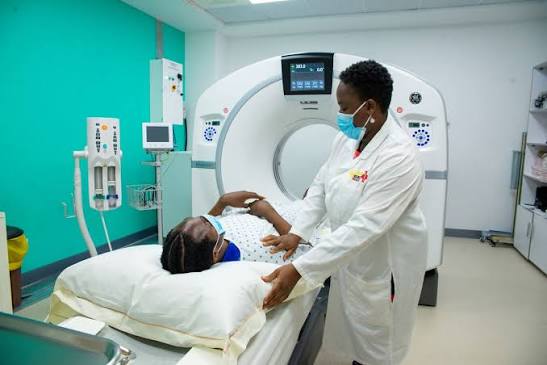









According to a new study, people with higher socioeconomic backgrounds tend to exhibit fewer signs of biological aging. UK researchers analyzed various patient groups and examined 83 aging-related diseases, including osteoporosis, cataracts, enlarged prostate, and conducted blood tests to measure proteins in plasma..
They then analyzed the patients’ data concerning their social and economic background, including education level, neighborhood quality of life, and household income.

Those who were the least privileged showed a 20 per cent higher risk of disease compared to their more privileged counterparts, according to the findings.
📢 GET A DETAILED ARTICLES + JOBS
Join ASJ's WhatsApp Channel and never miss a post or opportunity.


For years, we’ve understood that social advantage is connected to better health, but our research indicates it might also slow the aging process itself,” said Mika Kivimaki, a professor at University College London (UCL) and the lead author of the study, in a statement.
“Our study highlights that healthy ageing is an achievable goal for society as a whole, as it is already a reality for people with favourable socioeconomic conditions,” she added.
For certain conditions, the disparity is particularly stark, with a risk twice as high in the most disadvantaged group for type 2 diabetes, liver disease, heart disease, lung cancer, and stroke compared to the most advantaged.
Proteins impacted by socioeconomic situation
Researchers also looked at the proteins in the blood’s plasma.
“Ageing is reflected in the makeup of proteins in our blood, which includes thousands of circulating proteins linked to biological ageing processes across multiple organ systems,” said Tony Wyss-Coray, a professor at Stanford University in the US and one of the study’s authors.
The levels of 14 plasma proteins were affected by a person’s socioeconomic situation, including proteins known to regulate inflammatory and cellular stress responses, both linked to ageing.
The study’s findings suggest that upward social mobility can positively influence biological ageing.
Individuals who started with low education but later had middle or high social status showed more favourable protein profiles.
The studies pooled by researchers are observational and can’t determine cause-and-effect, however, the authors suggested factors such as stress, smoking, diet, exercise, and access to healthcare could play a role.
Last Updated on August 16, 2025 by Samuel Kwame Boadu
Disclaimer: Some content on Accra Street Journal may be aggregated, summarized, or edited from third-party sources for informational purposes. Images and media are used under fair use or royalty-free licenses. Accra Street Journal is a subsidiary of SamBoad Publishing Hub under SamBoad Business Group Ltd, registered in Ghana since 2014.
For concerns or inquiries, please visit our Privacy Policy or Contact Page.

Samuel Kwame Boadu is a Ghanaian media entrepreneur and storyteller with a passion for amplifying urban voices and uncovering everyday truths. He is the Editor-in-Chief and Founder of Accra Street Journal, a dynamic digital platform dedicated to capturing the pulse of Ghana’s capital—its people, culture, challenges, business, sports and innovations.