2 min read
Ghana’s legislature has officially repealed the controversial Electronic Transactions Levy (E-Levy), marking a significant policy shift aimed at revitalizing the nation’s digital economy. The tax, which imposed levies on mobile money and electronic payments, faced widespread opposition from businesses and consumers alike
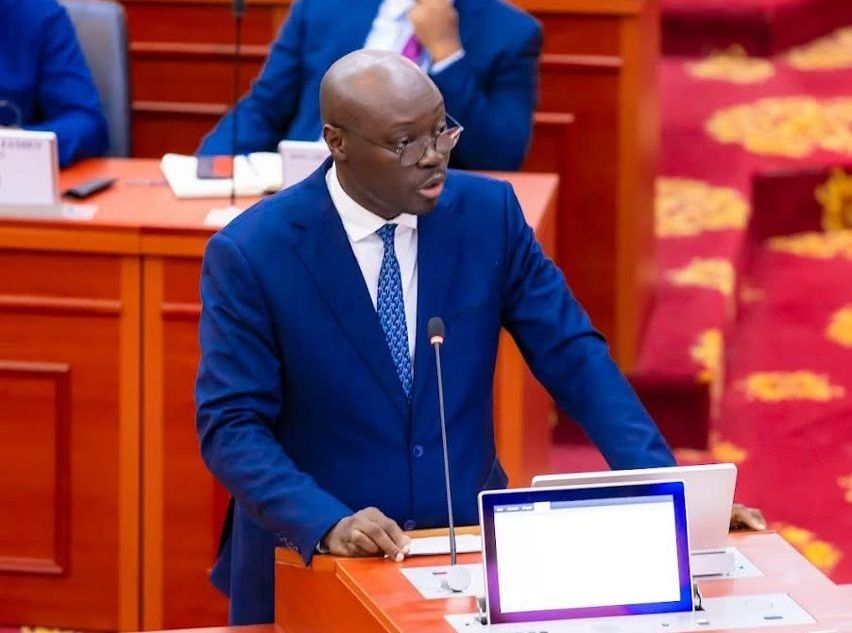
Ghana’s Parliament has officially passed a bill to abolish the Electronic Transfer Levy (E-Levy), a tax on digital transactions that has faced significant public backlash since its introduction in 2022
Parliament has officially passed a bill to abolish the Electronic Transfer Levy (E-Levy), a tax on digital transactions that has faced significant public backlash since its introduction in 2022.
The bill, approved on Wednesday, March 26, now awaits the assent of President John Mahama.
The E-Levy, introduced by the previous New Patriotic Party (NPP) administration, imposed a 1% tax on electronic transactions, including mobile money transfers, bank transactions, and online payments.
While supporters of the levy argued that it would generate much-needed revenue for infrastructural projects, it quickly became one of the most unpopular policies in recent years.
Critics of the E-Levy maintained that it disproportionately affected low-income earners and discouraged financial inclusion by increasing the cost of digital transactions.
Small businesses, in particular, struggled with the additional financial burden, and many citizens reverted to cash transactions to avoid the tax. The policy also ignited protests and public demonstrations as citizens demanded its repeal.
The repeal of the E-Levy is a significant fulfillment of the campaign promise made by the National Democratic Congress (NDC) and President Mahama, who pledged to scrap the tax while campaigning in the December 2024 general elections.
Interestingly, the motion to repeal the E-Levy received no opposition during the vote in Parliament, indicating strong bipartisan support for its removal.
As the bill awaits President Mahama‘s assent, many Ghanaians are hopeful that this move will reduce the cost of digital transactions, support small businesses, and promote a more inclusive financial ecosystem.
Disclaimer: Some content on Accra Street Journal may be aggregated, summarized, or edited from third-party sources for informational purposes. Images and media are used under fair use or royalty-free licenses. Accra Street Journal is a subsidiary of SamBoad Publishing Hub under SamBoad Business Group Ltd, registered in Ghana since 2014.

For concerns or inquiries, please visit our Privacy Policy or Contact Page.

Samuel Kwame Boadu is a Ghanaian media entrepreneur and storyteller with a passion for amplifying urban voices and uncovering everyday truths. He is the Editor-in-Chief and Founder of Accra Street Journal, a dynamic digital platform dedicated to capturing the pulse of Ghana’s capital—its people, culture, challenges, business, sports and innovations.

Use the following reference when citing or referencing this article.
Your feedback helps us improve our journalism.
Report an Error
Help us maintain accuracy. Let our editorial team know if you spot an issue in this article.
Report a problem with this article