3 min read
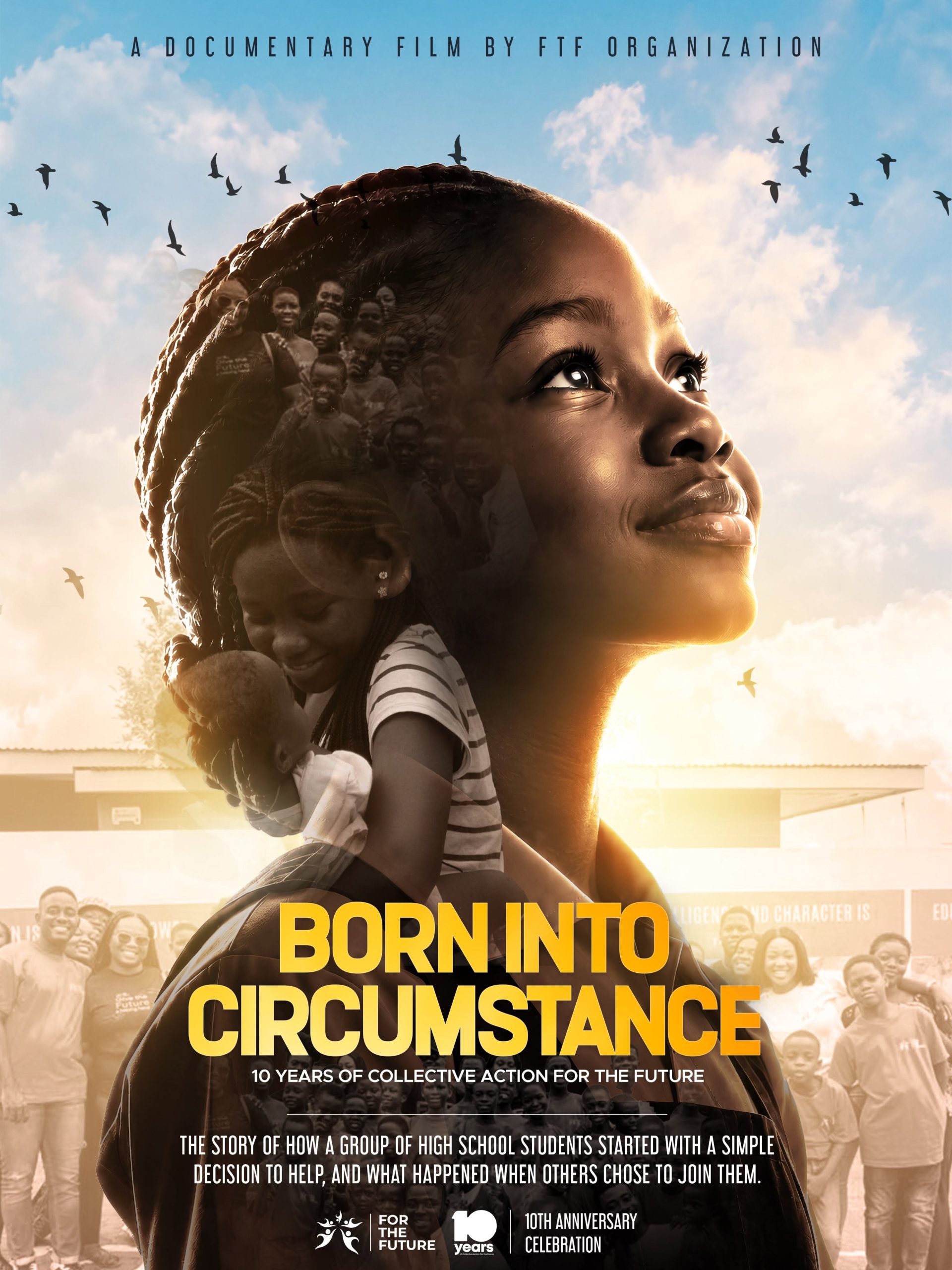
The youth-led nonprofit For The Future (FTF) Organization continues to impress, expanding its reach beyond Ghana to a full launch in Nigeria (FTF Nigeria), and opening its FTF Impact Store in Accra just months ago. These initiatives reflect a bold ambition: harness social enterprise and grassroots outreach to uplift underprivileged children. Yet amid evident promise, Accra Street Journal urges scrutiny: will the model scale with impact and sustainability across borders?
🌍 From Ghana Roots to Nigeria Expansion
For The Future began in Ghana in 2016 as For The Future Ghana (FTF Ghana) and has since supported over 8,000 children through initiatives in education, mentorship, menstrual health, and climate action. In mid-2025, the organization officially launched FTF Nigeria, spearheaded by Project Momentum—a flagship empowerment series for secondary-school students. Early LinkedIn posts describe sessions on mental health, body autonomy, and leadership, with youths taking active roles as volunteers and advocates.
Key Takeaways
- These initiatives reflect a bold ambition: harness social enterprise and grassroots outreach to uplift underprivileged children.
- For The Future began in Ghana in 2016 as For The Future Ghana (FTF Ghana) and has since supported over 8,000 children through initiatives in education, mentorship, menstrual health, and climate action.
- In mid-2025, the organization officially launched FTF Nigeria, spearheaded by Project Momentum—a flagship empowerment series for secondary-school students.
This expansion marks more than geographical growth—it signals a test: can FTF replicate its bottom-up, youth-driven model in Nigeria’s diverse and complex environment?
🛍️ The FTF Impact Store: Commerce with Purpose

Back in Ghana, FTF unveiled its Impact Store in July 2025 as part of its Book Fair. The store is more than a retail space—it’s a social enterprise, with 100% of proceeds dedicated to funding educational essentials for children. Founder Kezia Asiedua Sanie Esq. describes it as “not just shopping; it’s making an impact”. The model empowers consumers to support literacy simply by purchasing everyday items—a tangible bridge between giving and using.
✅ What Excites Us
-
Local Empowerment – Both initiatives are rooted in community voices. Whether it’s youth-led sessions in Nigeria or Ghanaian consumers supporting education via the store, FTF is creating platforms that embody citizen agency.
ADWUMAFIE JOB JOB OPPORTUNITYDriver NeededFezeeka Ventures · Osu / Teshie / Labadi / Kanda · Full TimePowered by Adwumafie View Job → -
Sustainable Funding – The Impact Store model signals a move away from grant dependency—transforming aid into exchange and offering predictable revenue for programs.
-
Scalable Design – Launching in Nigeria suggests intentional replication, adaptable across West Africa—a strategic move toward regional influence.
⚠️ What Demands Caution
-
Organizational Depth – Ghana operations remain tightly knit; replicating in Nigeria requires organizational maturity and strong governance to avoid dilution or misalignment.
-
Financial Transparency – With retail profits feeding impact programs, FTF must build strong reporting systems to ensure both mission fidelity and donor confidence.
-
Local Integration – Cultural and regulatory nuances differ significantly. The success of Project Momentum in Accra doesn’t guarantee traction in Nigerian communities. Local partnerships and continuous adaptation will be essential.
🧭 Final Thought: Building a Movement, Not Just Programs

FTF’s twin paces—opening doors in Nigeria and launching social commerce in Ghana—underscore a conviction: sustainable change comes when youth lead and society participates. The model is compelling, even catalytic.
But true leadership will be judged not by launches, but by long-term outcomes—schools opened, mentors sustained, local ownership entrenched, and impact scaled responsibly. The next 12–18 months will reveal whether FTF is advancing beyond pilot and into platform.
Accra Street Journal led by Samuel Kwame Boadu will be watching—as this youth-led movement steps onto the regional stage.
Last Updated on April 26, 2026 by Samuel Kwame Boadu
Disclaimer: Some content on Accra Street Journal may be aggregated, summarized, or edited from third-party sources for informational purposes. Images and media are used under fair use or royalty-free licenses. Accra Street Journal is a subsidiary of SamBoad Publishing Hub under SamBoad Business Group Ltd, registered in Ghana since 2014.
For concerns or inquiries, please visit our Privacy Policy or Contact Page.


Samuel Kwame Boadu is a Ghanaian media entrepreneur and storyteller with a passion for amplifying urban voices and uncovering everyday truths. He is the Editor-in-Chief and Founder of Accra Street Journal, a dynamic digital platform dedicated to capturing the pulse of Ghana’s capital—its people, culture, challenges, business, sports and innovations.
Use the following reference when citing or referencing this article.

Your feedback helps us improve our journalism.
Report an Error
Help us maintain accuracy. Let our editorial team know if you spot an issue in this article.
Report a problem with this article