Introduction
Digital transformation has become central to tax administration worldwide, and Ghana is no exception according to Accra Street Journal research. In line with its modernization agenda, the Ghana Revenue Authority (GRA) launched a comprehensive tax portal that allows individuals and businesses to register, file, and pay taxes online.
In 2026 and beyond, the portal has become the primary tool for tax compliance in Ghana. For many taxpayers, however, navigating it can feel daunting. This guide by Accra Street Journal explains how the GRA tax portal works, its features, and why mastering it is essential for staying compliant.

Why the GRA Tax Portal Matters
Convenience for Taxpayers
The portal eliminates the need to queue at GRA offices. Taxpayers can now complete most processes — from registration to payment — without leaving their homes or offices.
📢 GET A DETAILED ARTICLES + JOBS
Join ASJ's WhatsApp Channel and never miss a post or opportunity.

Transparency and Efficiency
By digitizing tax records, the GRA reduces paperwork, minimizes human error, and improves accountability.
Enforcement Tool for Government
The tax portal also integrates with the e-VAT system, making it harder for businesses to under-declare sales or evade compliance.

Who Should Use the Portal?
The GRA tax portal applies to:
-
Individual taxpayers: salaried workers, freelancers, and self-employed persons.
-
Businesses: companies, SMEs, partnerships, and sole proprietors.
-
Tax consultants and accountants managing client returns.
Essentially, anyone with tax obligations in Ghana is encouraged to use the platform.
Key Features of the GRA Tax Portal
-
Online Registration – Taxpayers can register for TIN (Taxpayer Identification Number) and VAT.
-
Tax Filing and Returns – Submit monthly or annual returns electronically.
-
e-Payment – Pay taxes directly via mobile money, bank transfer, or card.
-
e-VAT Invoicing – Businesses integrate sales systems to report VAT in real time.
-
Tax Clearance Certificates (TCC) – Apply and download clearance certificates digitally.
-
Tax Calculator Integration – Some modules allow quick estimates of liabilities.
Step-by-Step Guide to Using the Portal
Step 1 – Account Creation
Visit the GRA tax portal and click “Register.” You’ll need:
-
Full name or business name
-
Valid email address and phone number
-
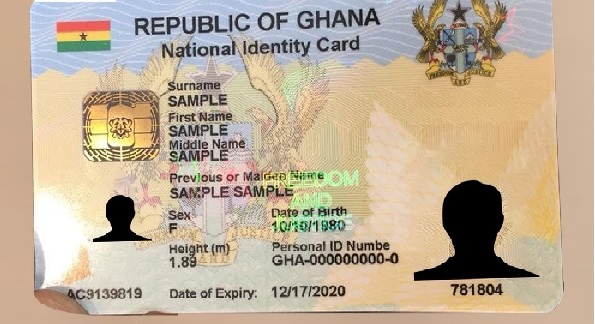
National ID or company registration documents
A confirmation code will be sent to verify your account.
Step 2 – Obtain or Link Your TIN
If you don’t already have a Taxpayer Identification Number (TIN), apply for one through the portal. Existing taxpayers can link their TIN to their new account.
Step 3 – Access Your Dashboard
Once logged in, the dashboard shows your profile, pending filings, outstanding payments, and tax notices.
Step 4 – File Returns
-
Choose the tax type (Income Tax, VAT, PAYE, Withholding, etc.).
-
Fill in the required forms.
-
Upload supporting documents (e.g., sales invoices, payroll records).
Step 5 – Make Payments
The portal integrates with major banks and mobile money operators. Select your payment method, confirm the amount, and receive an electronic receipt.
Step 6 – Download Receipts and Certificates
After successful filing or payment, receipts and certificates can be downloaded for record-keeping.
Common Challenges and Solutions
Forgotten Passwords
The system allows password reset via email or SMS, but users must ensure contact details are up to date.

Slow Internet Connections
In areas with unstable internet, filings may time out. GRA has advised users to file during off-peak hours when servers are less congested.
Technical Errors
Occasionally, the system experiences glitches. In such cases, taxpayers should screenshot the error and contact the GRA helpline.
Benefits of Mastering the Portal
-
Time-saving: No more long queues.
-
Cost-effective: Reduces paperwork and transport costs.
-
Compliance-friendly: Automated reminders reduce the risk of missing deadlines.
-
Data security: Digital records minimize loss or tampering.
The Bigger Picture – Ghana’s Digital Tax Agenda
The GRA tax portal is part of a broader strategy to digitize Ghana’s economy. Alongside e-VAT and electronic invoicing, the portal supports the government’s push toward:
-
Increasing tax-to-GDP ratio.
-
Closing loopholes in revenue collection.
-
Enhancing ease of doing business in Ghana.
Conclusion From Accra Street Journal
The GRA tax portal is no longer optional; it is the new normal for tax compliance in Ghana. By understanding its features and mastering its use, taxpayers can save time, reduce costs, and avoid penalties.
As Ghana deepens its digital transformation, the portal will continue to expand in scope. Businesses and individuals who adopt it early will find themselves not only compliant but also better positioned to benefit from future reforms.
Source: Accra Street Journal | Accra Tax Journal
Last Updated on October 10, 2026 by Samuel Kwame Boadu
Disclaimer: Some content on Accra Street Journal may be aggregated, summarized, or edited from third-party sources for informational purposes. Images and media are used under fair use or royalty-free licenses. Accra Street Journal is a subsidiary of SamBoad Publishing Hub under SamBoad Business Group Ltd, registered in Ghana since 2014.
For concerns or inquiries, please visit our Privacy Policy or Contact Page.

Samuel Kwame Boadu is a Ghanaian media entrepreneur and storyteller with a passion for amplifying urban voices and uncovering everyday truths. He is the Editor-in-Chief and Founder of Accra Street Journal, a dynamic digital platform dedicated to capturing the pulse of Ghana’s capital—its people, culture, challenges, business, sports and innovations.