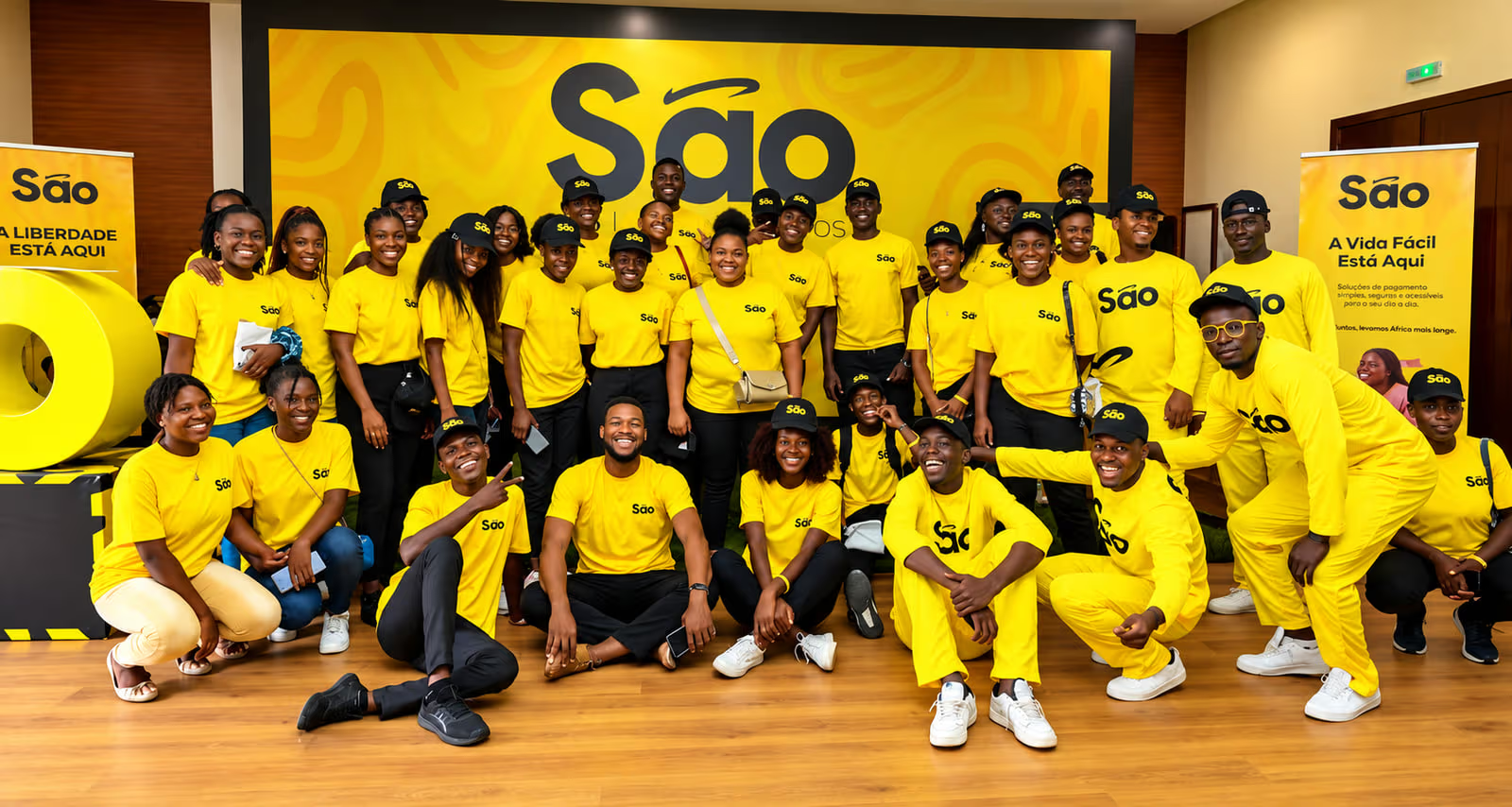
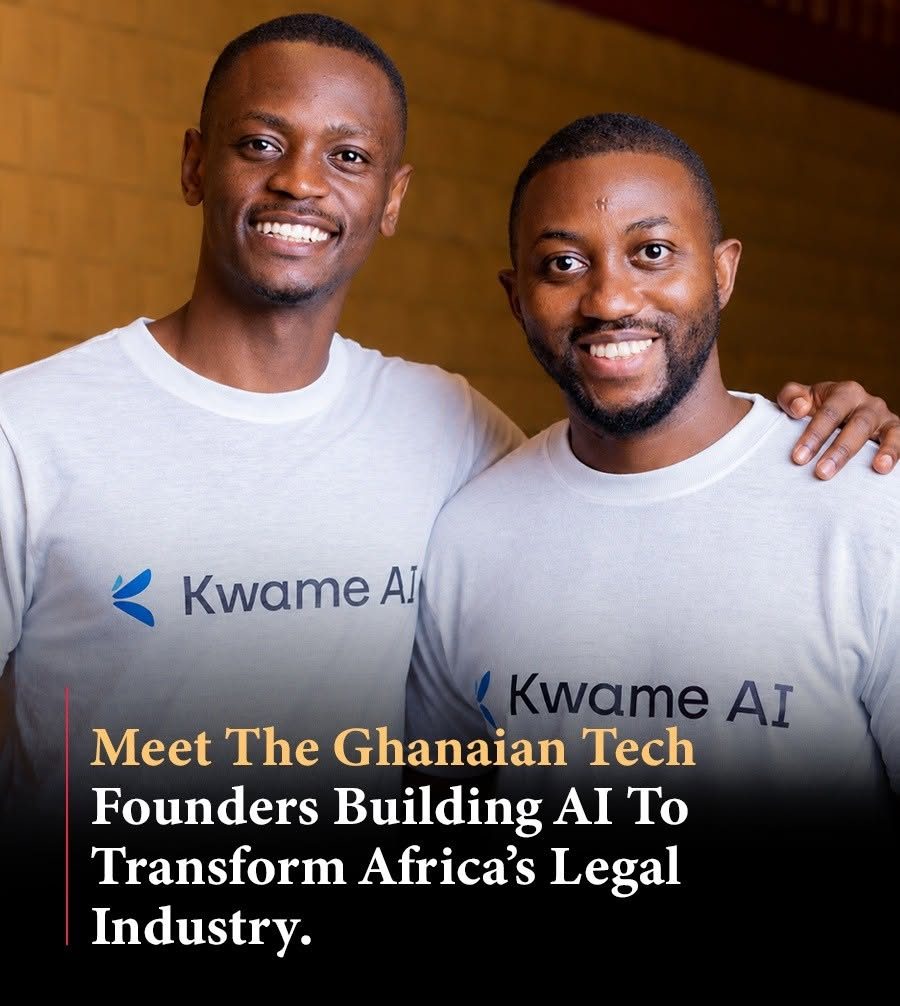
Ghana is standing at a pivotal moment in its development—one that is being shaped not by long-established institutions, but by a new generation of bold thinkers, digital creators, and problem-solvers. Across Accra and beyond, young Ghanaians are spearheading a wave of innovation that is reshaping industries, modernizing traditional systems, and positioning the country as a rising force within Africa’s digital and creative economies.
From fintech founders to agri-tech engineers, e-commerce entrepreneurs to AI developers, and content creators to social impact visionaries, Ghana’s youth are not only embracing transformation—they are driving it. This next wave of innovation is anchored in technology, creativity, resilience, and an unyielding desire to solve real challenges.

In this editorial by Accra Street Journal, we explore the forces propelling Ghana’s young innovators, the sectors experiencing the most disruption, the impact on the economy, and what the future holds as youth-led innovation becomes a defining driver of national growth.
📢 GET A DETAILED ARTICLES + JOBS
Join ASJ's WhatsApp Channel and never miss a post or opportunity.

1. A Generation Born into Digital Transformation
Ghana’s youth—those between ages 15 and 35—make up the largest demographic group in the country. Unlike previous generations, today’s young people have grown up in an era of widespread internet access, smartphones, and digital platforms that connect them to global ideas and opportunities.
This digital exposure has shaped a generation that is:

-
Highly adaptive
-
Quick to learn new technologies
-
Open to experimentation
-
Motivated to create solutions relevant to their lives
Whether it is coding, digital marketing, content creation, mobile app development, or online trading, young Ghanaians are comfortable in digital environments that enable innovation at unprecedented speed.
2. Innovation Fueled by Necessity and Creativity
Ghana’s youth-led innovation is not only driven by access to technology—it is also a response to real-world needs. With urban challenges such as traffic, unemployment, limited financial inclusion, and inadequate traditional services, young people have taken innovation into their own hands.
Examples include:
-
Fintech platforms helping individuals send, receive, and manage money more conveniently.
-
Delivery startups solving last-mile logistics in congested cities.
-
Edtech platforms offering digital learning for students in underserved areas.
-
Agri-tech startups helping farmers use data to improve crop yields.
These solutions reflect the resourcefulness and ambition of young Ghanaians who are unwilling to wait for traditional systems to evolve.
3. The Role of Tech Hubs and Digital Communities
Accra’s rise as a tech-driven city is partly due to the rapid growth of innovation hubs, incubators, accelerators, and co-working spaces. These spaces offer mentorship, funding opportunities, digital training, and collaboration networks that help young innovators grow their ideas into viable businesses.
Notable spaces include:
-
Ghana Tech Lab
-
Accra Digital Centre
-
Kumasi Hive (outside Accra but influential nationally)
These hubs have created ecosystems where young entrepreneurs can collaborate, test ideas, and access global programs that strengthen their capabilities.
4. Social Media as a Launchpad for Youth Innovation
Ghana’s youth have mastered the art of using social media as:
-
A business platform
-
A marketing channel
-
A learning tool
-
A creative outlet
From Instagram shops to TikTok creators, social media has made entrepreneurship more accessible than ever. Many young Ghanaians now launch brands with little capital, relying on digital storytelling, influencer partnerships, and organic growth strategies.

This democratization of opportunity has allowed innovation to flourish outside traditional structures.
5. Fintech and Digital Payments: The New Youth Frontier
The fintech revolution has given young innovators a powerful platform for transforming Ghana’s economy. Young entrepreneurs are building products that solve key financial challenges:
-
Payment acceptance for small businesses
-
Instant low-fee money transfers
-
Digital lending for individuals and SMEs
-
Savings tools tailored for young earners
These innovations are improving financial inclusion, expanding electronic payment adoption, and enabling thousands of youth-led businesses to grow.
6. Youth in Agriculture: Innovation Meets Tradition
Agriculture remains Ghana’s largest employer, but young people are redefining what farming looks like. Using drones, data analytics, mobile apps, and digital platforms, youth innovators are:
-
Improving planting precision
-
Connecting farmers to markets
-
Providing real-time weather and pricing updates
-
Offering training through mobile platforms
This tech-driven agriculture approach is attracting more young people to a sector once perceived as old-fashioned.
7. Creative Arts and the Digital Economy
Ghana’s creative arts scene—music, film, fashion, gaming, and digital art—is thriving because young people have found ways to commercialize creativity. Through streaming platforms, NFTs, social media branding, and global collaborations, Ghanaian youth are expanding the country’s cultural footprint.
The creative economy is now a significant contributor to national development, with young people leading the charge.
8. The Rise of Youth-Led Startups
Ghana’s startup culture is largely youth-driven. Young founders are applying:
-
AI
-
Blockchain
-
Software engineering
-
Cloud computing
-
Mobile app development
…to build solutions that attract local and international investors.
These startups are not only creating jobs—they are setting new standards for excellence, service delivery, and innovation.
9. Government and Private Sector Support Increasing
Government initiatives such as:

-
The National Entrepreneurship and Innovation Programme (NEIP)
-
YouStart
-
Ghana Digital Agenda
-
Free SHS digital programs
…are helping more young people access skills and resources. Private companies are also supporting with coding boot camps, startup competitions, and internship opportunities.
This support system is accelerating innovation among Ghana’s youth.
10. The Future: Youth Innovation as a National Growth Engine
Ghana’s next decade will be shaped by its young innovators. With the right investments in education, digital skills, infrastructure, and mentorship, these visionary young people will continue to:
-
Build competitive startups
-
Transform traditional industries
-
Create new job opportunities
-
Drive economic resilience
-
Position Ghana as a continental innovation hub
The future belongs to Ghana’s youth—and they are already shaping it.
FAQs
1. What is driving youth-led innovation in Ghana?
Digital access, tech literacy, entrepreneurial ambition, and the emergence of tech hubs are key drivers.
2. Which industries are young Ghanaians transforming the most?
Fintech, agriculture, e-commerce, creative arts, and education technology are leading sectors.
3. How is technology shaping youth entrepreneurship?
Technology has lowered the barrier to entry, enabling young people to launch businesses with minimal resources through digital tools and social media.
4. Are Ghanaian youth receiving adequate support for innovation?
Support is growing through government programs, accelerators, private-sector initiatives, and global partnerships.
5. What does the future hold for youth-led innovation in Ghana?
Ghana’s youth are poised to become a major force for economic development, with innovation driving new industries and global competitiveness.
Source: Accra Street Journal
Last Updated on November 23, 2025 by Samuel Kwame Boadu
Disclaimer: Some content on Accra Street Journal may be aggregated, summarized, or edited from third-party sources for informational purposes. Images and media are used under fair use or royalty-free licenses. Accra Street Journal is a subsidiary of SamBoad Publishing Hub under SamBoad Business Group Ltd, registered in Ghana since 2014.
For concerns or inquiries, please visit our Privacy Policy or Contact Page.

Samuel Kwame Boadu is a Ghanaian media entrepreneur and storyteller with a passion for amplifying urban voices and uncovering everyday truths. He is the Editor-in-Chief and Founder of Accra Street Journal, a dynamic digital platform dedicated to capturing the pulse of Ghana’s capital—its people, culture, challenges, business, sports and innovations.