



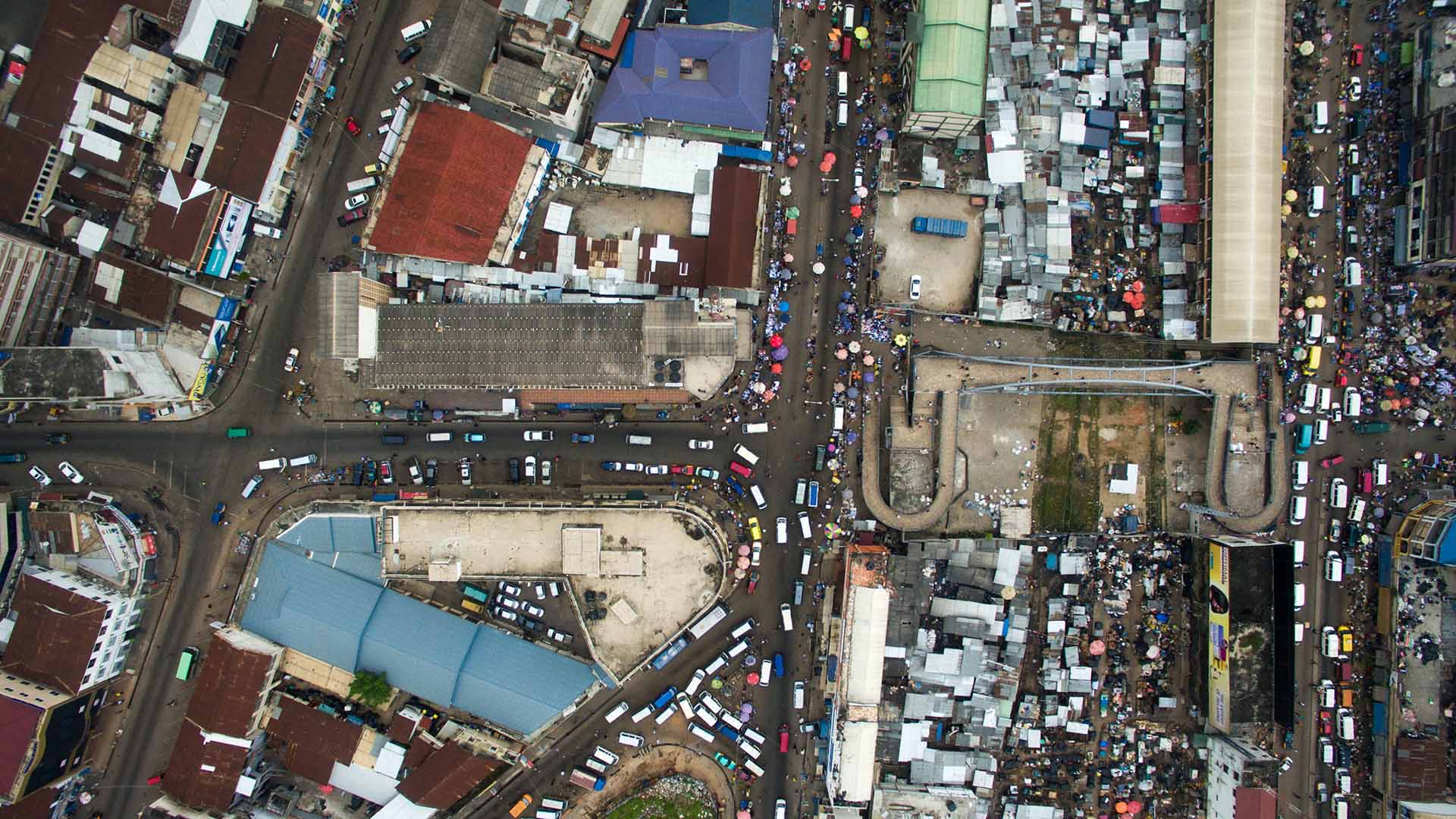
Small and medium enterprises (SMEs) are often described as the backbone of Ghana’s economy, and nowhere is this more visible than in Accra, the nation’s commercial capital. In 2026, despite facing a range of persistent obstacles—from high operating costs and limited access to affordable finance to infrastructure deficits and intense competition—SMEs in Accra continue to grow, adapt, and contribute significantly to economic activity. This resilience reflects both the ingenuity of business owners and the evolving dynamics of Ghana’s informal and formal markets.
The story of Accra’s SMEs is not one of unbridled success, nor is it a tale of simple survival. It is the story of sustained adaptation: entrepreneurs responding to structural challenges with creativity, determination, and pragmatic strategy.

Growth Against a Backdrop of Structural Challenges
Accra’s SME landscape remains beset by systemic constraints that threaten viability. High operational costs—particularly energy, transportation, utilities, and commercial rent—continue to compress profit margins, forcing small firms to innovate just to break even. Unreliable electricity supply and the resulting dependency on generators increase overheads, while logistics bottlenecks drive up transport costs for goods and materials. These pressures, common across Ghanaian urban centres, are particularly acute in Accra’s dense business environment.
📢 GET A DETAILED ARTICLES + JOBS
Join ASJ's WhatsApp Channel and never miss a post or opportunity.

Access to finance remains another major hurdle. Traditional banks often view SMEs as high-risk clients due to limited collateral, inconsistent cash flows, and inadequate financial documentation. Even where credit is available, interest rates can be prohibitively high and loan tenors short, constraining both day-to-day operations and long-term growth initiatives.
Beyond finance and costs, many SMEs also grapple with weak corporate governance, inadequate record-keeping, and limited strategic planning capacity—issues that can limit scalability and undermine competitiveness.

Yet despite these entrenched obstacles, many SMEs in Accra are persisting—and some are thriving—by adopting adaptive strategies that allow them not only to survive but to expand.
Adapting Through Innovation and Digital Adoption
One of the most tangible signs of SME resilience is the uptake of digital tools and platforms that extend reach and improve operational efficiency. From mobile money and digital payments to online marketplaces like Jumia, Instagram shops, and WhatsApp Business storefronts, Accra’s entrepreneurs are leveraging technology to reach customers beyond physical storefronts.
Digital tools also help small businesses streamline internal processes—from bookkeeping to inventory management—reducing errors and increasing transparency. Cloud-based solutions and affordable software now allow even micro-enterprises to transition from manual record-keeping to systems that support data-driven decisions, which in turn improves their ability to attract finance and plan for growth.
COVID-19 highlighted the value of such digital agility. Research shows that SMEs in the Greater Accra Region used digital communication and service delivery channels to cope with demand disruptions, laying the groundwork for longer-term digital integration.
Shifting Business Models to Match Consumer Demand
Accra’s dynamic market demands flexibility. Many SMEs have responded by diversifying product lines, tailoring services to specific customer segments, and adjusting prices strategically to maintain competitiveness. In sectors like retail, food services, and fashion, businesses have refined value propositions to prioritise loyalty and quality over volume alone.
Some firms are also exploring local supply chain strategies to reduce dependency on imported inputs, which are vulnerable to currency volatility and tariff costs. By sourcing materials locally and building relationships with nearby suppliers, SMEs reduce exposure to foreign exchange pressures while bolstering domestic industrial linkages.
Alternative Financing and Cooperative Strategies
In response to constrained bank credit, SMEs are increasingly exploring alternative financing avenues. Microfinance institutions, savings groups, and community cooperatives offer more accessible capital—albeit often at higher cost—than traditional banking products. These collective approaches strengthen financial resilience and enable incremental investment in growth.
Some entrepreneurs are also tapping into emerging financing mechanisms such as crowdfunding, diaspora investment, and early-stage venture capital, signalling a gradual diversification of funding sources outside conventional banking.
Formalisation and Strategic Partnerships
Growth trajectories for many SMEs are tied to formalisation and strategic alliances. While informal operations offer flexibility and lower initial costs, they limit access to government support programs, official procurement opportunities, and formal financing. Increasingly, Accra’s SMEs are making the transition to registered entities to build credibility with suppliers and customers, improve governance, and unlock institutional support.

Partnerships with larger firms and participation in business networks are also emerging as pathways to scale. These collaborations enable shared resources, knowledge exchange, and collective bargaining power, especially in sectors like logistics, agro-processing, and retail distribution.
Skills Development and Human Capital
Accra’s entrepreneurs themselves are becoming more attuned to the importance of skills development. Business owners are seeking training in financial management, marketing, and strategic planning to close capability gaps that traditionally hinder scaling and sustainability. This reflects a growing recognition that managerial competence and professional systems are as essential to growth as capital and market access.
A Sector Poised for Greater Impact
Despite the challenges, the cumulative contribution of SMEs to Ghana’s economy remains substantial. According to recent figures, SMEs account for a majority of businesses in the country and contribute significantly to GDP and employment creation. Their resilience and adaptability were specifically credited by government economists for helping sustain economic growth, especially in the face of broader economic pressures.
This growth is not automatic. It is the product of entrepreneurs learning to operate within—and adapt to—an environment of constraint. Each innovation in digital adoption, each partnership formed, and each formalisation decision strengthens not only an individual enterprise but the broader SME ecosystem.
Looking Ahead
The future of Accra’s SMEs will be shaped by how effectively they can deepen these adaptive strategies, leverage digital transformation, and engage with supportive policy frameworks. With targeted training, expanded access to affordable credit, and infrastructural improvements—particularly in energy and logistics—SMEs can accelerate their contributions to economic growth and employment.
In 2026, SMEs in Accra are no longer just surviving among market challenges; they are growing through them, demonstrating resilience, flexibility, and entrepreneurial creativity in ways that are central to Ghana’s broader economic trajectory.
FAQs
What are the main challenges SMEs in Accra face today?
SMEs contend with high operating costs, limited access to affordable finance, infrastructure gaps, and intense competition.
How are SMEs using technology to grow?
Many businesses adopt mobile money, online marketplaces, digital accounting, and e-commerce platforms to expand reach and improve efficiency.
Can SMEs in Accra access alternative finance?
Yes. Microfinance, cooperatives, crowdfunding, and venture capital options are emerging as alternatives to traditional bank loans.
Why is formalisation important for SME growth?
Formalisation improves access to government support, credit facilities, and legal protections, enhancing prospects for scaling.
Are SMEs contributing to Ghana’s economic growth?
Yes. SMEs contribute significantly to GDP and employment, underpinning broader economic resilience and recovery.

Source: Accra Street Journal
Last Updated on January 14, 2026 by Samuel Kwame Boadu
Disclaimer: Some content on Accra Street Journal may be aggregated, summarized, or edited from third-party sources for informational purposes. Images and media are used under fair use or royalty-free licenses. Accra Street Journal is a subsidiary of SamBoad Publishing Hub under SamBoad Business Group Ltd, registered in Ghana since 2014.
For concerns or inquiries, please visit our Privacy Policy or Contact Page.

Samuel Kwame Boadu is a Ghanaian media entrepreneur and storyteller with a passion for amplifying urban voices and uncovering everyday truths. He is the Editor-in-Chief and Founder of Accra Street Journal, a dynamic digital platform dedicated to capturing the pulse of Ghana’s capital—its people, culture, challenges, business, sports and innovations.