









10 min read
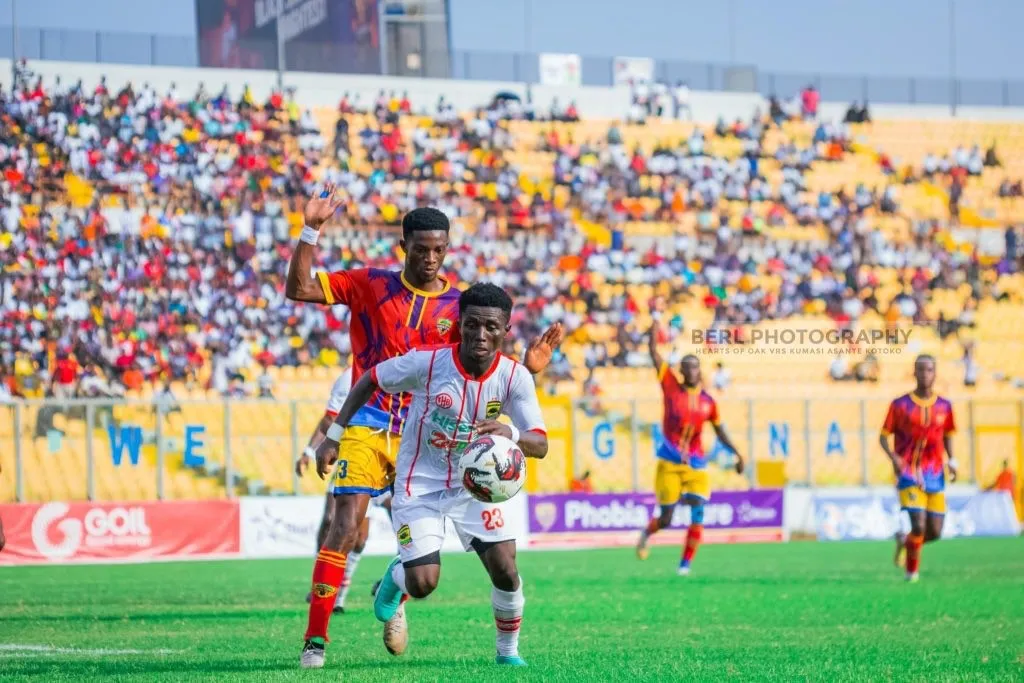
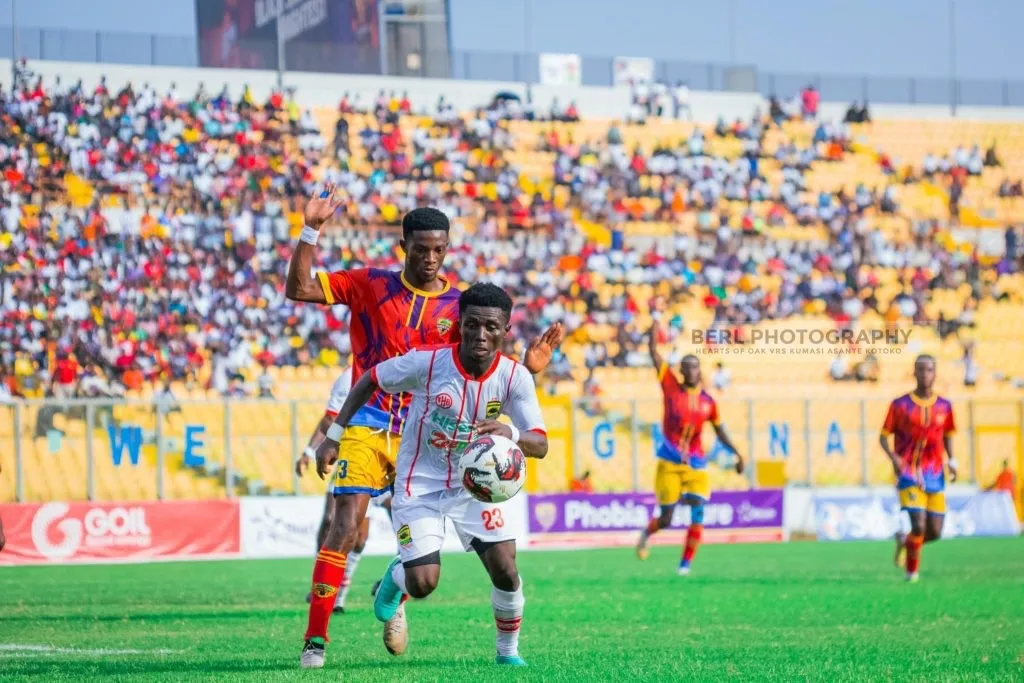
In Ghana, there is no fixture that commands the nation’s attention quite like the Super Clash between Accra Hearts of Oak and Kumasi Asante Kotoko. When these two giants meet, the country holds its breath. Streets empty. Radios crackle with commentary. And in boardrooms, classrooms, and market stalls, the debate begins long before kickoff.
But the Super Clash is not merely a football match. It is a cultural phenomenon—a rivalry that predates Ghanaian independence and draws its intensity from centuries of history. It is the Ashanti Empire’s warrior spirit meeting the coastal resilience of the Ga people. It is trade wars transformed into football wars. It is, as one historian put it, “wars, trade and the Super Clash” all rolled into ninety minutes .
Key Takeaways
- In Ghana, there is no fixture that commands the nation's attention quite like the Super Clash between Accra Hearts of Oak and Kumasi Asante Kotoko.
- Asante Kotoko has won 23 league titles, while Hearts of Oak has won 21 .
- Asante Kotoko has historically performed well in Accra, with 33 wins to Hearts of Oak's 28 across 94 matches at the stadium .
For decades, the head-to-head record between Hearts of Oak and Asante Kotoko has been the subject of fierce debate. Who has the upper hand? Who has won more? Who can claim bragging rights? This comprehensive ASJ ranking examines the historical head-to-head data, the trophy cabinets, and the evolving dynamics of Ghana’s greatest sporting rivalry.
The Historical Context: Roots in Rivalry
The story of the Super Clash begins long before the first football was kicked. Hearts of Oak was founded in 1911, during the Gold Coast era, and secured its first major victory in 1922 . The club’s success in Accra sent ripples to Kumasi, inspiring the formation of Asante Kotoko in 1935—thirty-five years after the Yaa Asantewaa War of 1900 .
The rivalry between the Ashanti Empire and coastal traders—predominantly the Fante and Ga people—had deep historical roots. The Ashanti Kingdom sought to expand its influence through trade along the coast, and the Ga-Asante wars ended with Ashanti conquest . These historical tensions, shaped by trade, territory, and power, found new expression on the football pitch.
As historian Bright Yeboah Taylor notes, the Super Clash is a “maker of legends” that “engraves heroic moments in the minds of its loyal fans and shows no regard for form” . Even today, the fixture records the highest viewership and remains Ghana’s most talked-about sporting event .
The Overall Head-to-Head Record: Who Leads?
When examining the complete history of Hearts of Oak versus Asante Kotoko, the numbers reveal a rivalry of extraordinary balance.
According to data compiled by GhanaSoccernet, covering all meetings between the two clubs across all competitions:
| Statistic | Hearts of Oak | Asante Kotoko |
|---|---|---|
| Total Matches Played | 115 | 115 |
| Wins | 38 | 39 |
| Draws | 38 | 38 |
| Goals Scored | 164 | 172 |
Source: GhanaSoccernet / GBC Online
Asante Kotoko holds a narrow one-game lead over the Phobians in the all-time series—a margin so slim that it underscores the competitive balance between these two institutions .

League Games Since 1958: The Official Record
For many statisticians, the most authoritative measure of the rivalry is league meetings since the establishment of the Ghanaian football league system. According to data compiled by multiple sources, the league head-to-head record stands as follows:
| Statistic | Hearts of Oak | Asante Kotoko |
|---|---|---|
| Total League Matches (since 1958) | 107 | 107 |
| Wins | 36 | 35 |
| Draws | 36 | 36 |
| Goals Scored | 116 | 125 |
Source: GhanaSoccernet, Ultimate Sports Ghana

Here, the numbers tell a slightly different story. Hearts of Oak holds a one-win advantage in league fixtures, while Kotoko leads in goals scored—a reflection of their historically potent attacking play.
The Accra Sports Stadium Record
When the Super Clash takes place at Hearts of Oak’s home ground—the Accra Sports Stadium—the dynamics shift. According to comprehensive data covering all matches played at the stadium:
| Statistic | Hearts of Oak | Asante Kotoko |
|---|---|---|
| Total Matches (Accra Sports Stadium) | 94 | 94 |
| Wins | 28 | 33 |
| Draws | 33 | 33 |
| Goals Scored | 98 | 110 |
Source: GhanaSoccernet, Ultimate Sports Ghana
Interestingly, Asante Kotoko has historically performed well in Accra, with five more wins than the home side. The first league game at the Accra Sports Stadium, played on November 16, 1958, saw Kotoko triumph 4-2, with the legendary Baba Yara scoring the first goal at the venue .
Recent Form: The Last 14 League Encounters
In the modern era, the Super Clash has been characterized by caution and defensive organization. According to data from Ultimate Sports Ghana, the last 14 league meetings between the two clubs have produced the following record:
| Result | Count |
|---|---|
| Asante Kotoko Wins | 5 |
| Hearts of Oak Wins | 3 |
| Draws | 6 |
Source: Ultimate Sports Ghana
The prevalence of draws—nearly 43% of recent encounters—reflects the high stakes and the mutual respect (or fear) that characterizes these matches. A 2023 head-to-head analysis confirmed this trend, noting that over the last decade, Kotoko secured 5 wins, Hearts 3 wins, and there were 8 draws .
The Premier League Era (Since 1993-94)
The introduction of the professional Premier League in the 1993-94 season brought a new dimension to the rivalry. According to detailed records compiled by Ghanaian football statisticians:
| Statistic | Hearts of Oak | Asante Kotoko |
|---|---|---|
| Total Premier League Matches | 45 | 45 |
| Wins | 17 | 10 |
| Draws | 18 | 18 |
| Goals Scored | 47 | 45 |
Source: Ghsportsnews
Here, Hearts of Oak holds a commanding advantage. The Phobians have won 17 of the 45 Premier League encounters, compared to Kotoko’s 10, with 18 draws. This period coincides with Hearts of Oak’s dominance in the late 1990s and early 2000s, when they won the CAF Champions League and established themselves as a continental force.

Trophy Cabinet: The Ultimate Measure of Success
Beyond head-to-head results, the Super Clash is ultimately about supremacy. The trophy cabinets of both clubs tell a story of sustained excellence.
According to the authoritative research of soccer historian Bright Yeboah Taylor, the official honors (under the supervision of the Ghana Football Association and CAF) are as follows :
| Competition | Titles |
|---|---|
| League Titles | 21 |
| FA Cup | 11 |
| Ghana Super Cup | 7 |
| CAF Champions League | 1 |
| CAF Confederations Cup | 1 |
| CAF Super Cup | 1 |
| Total Official GFA/CAF Titles | 42 |
Source: Bright Yeboah Taylor / GhanaSoccernet
Asante Kotoko
| Competition | Titles |
|---|---|
| League Titles | 23 |
| FA Cup | 9 |
| Ghana Super Cup | 4 |
| GFA Normalization Cup | 1 |
| CAF Champions League | 2 |
| Total Official GFA/CAF Titles | 39 |
Source: Bright Yeboah Taylor / GhanaSoccernet
When ceremonial trophies such as the President’s Cup, Independence Cup, and SWAG Cup are excluded, Hearts of Oak holds 55 official GFA/CAF titles while Kotoko holds 53—a margin that reflects the Phobians’ dominance in domestic cup competitions .
The 2026 Season: A New Chapter
The most recent Super Clash of the 2025/26 season took place on February 15, 2026, at the Baba Yara Stadium in Kumasi. According to reports from Foot Africa, Asante Kotoko had won the first Super Clash of the season (on matchday nine) by a 1-0 scoreline .
The February encounter carried added significance. Kotoko entered the match following the resignation of head coach Abdul Karim Zito after their FA Cup elimination, with interim coach Prince Yaw Awusu taking charge . Hearts of Oak, meanwhile, had qualified for the FA Cup quarterfinals and remained in contention for both major trophies .
Ghana’s Minister for Sports and Recreation, Hon. Kofi Adams, issued a goodwill message ahead of the clash, appealing for sportsmanship and urging supporters to “exercise restraint and maintain decorum” . His message reflected the high stakes: “May this encounter be a true celebration of Ghana’s football heritage and the spirit of sportsmanship .
The Cultural Dimension: Songs, Chants, and Identity
No analysis of the Super Clash is complete without understanding the cultural forces that animate it. The songs and chants of the supporters are not mere entertainment—they are declarations of identity and history.
Asante Kotoko’s famous chant—“Asante man, Asante Kotoko, Wo kum apem, apem beba” —translates to “The Ashanti Kingdom never dies; if a thousand die, another thousand will rise again” . It embodies the resilient and conquering spirit of the Ashanti Kingdom, which dominated large parts of the Gold Coast through military prowess.
Hearts of Oak’s response is equally defiant: “Arose, arose, arose, be quiet and don’t be seen, we are the famous Hearts of Oak, we never say die” . This chant recalls the undying spirit of the Ga people, who migrated from Ile-Ife in Nigeria to settle in their present-day home.
These songs transform the football match into something larger—a cultural contest where history, identity, and pride are on the line with every tackle and goal.
Head-to-Head Ranking: Who Leads Overall?
When ranking the head-to-head supremacy between Hearts of Oak and Asante Kotoko, the answer depends on the measure:
| Category | Leader | Margin |
|---|---|---|
| All-Time Matches (All Competitions) | Asante Kotoko | 39 wins to 38 |
| League Matches (Since 1958) | Hearts of Oak | 36 wins to 35 |
| Premier League Era (Since 1993) | Hearts of Oak | 17 wins to 10 |
| Accra Sports Stadium Matches | Asante Kotoko | 33 wins to 28 |
| Last 14 League Encounters | Asante Kotoko | 5 wins to 3 |
| Total Official Trophies | Hearts of Oak | 42 to 39 (major titles) |
| CAF Champions League Titles | Asante Kotoko | 2 to 1 |
Conclusion: A Rivalry Without Equal
The head-to-head record between Hearts of Oak and Asante Kotoko reveals a rivalry of extraordinary balance. Over nearly 70 years of competitive football, these two institutions have been separated by the narrowest of margins. One win here, a single goal there—such are the fine lines that define Ghana’s greatest sporting contest.
As Ghana’s Sports Minister reminded fans before the February 2026 Super Clash, this fixture is ultimately about celebration: “May the best team win, and may we come together as one people to celebrate the game we all love” .
Whether the final whistle sounds with Hearts singing “Arose, arose, arose” or Kotoko chanting “Wo kum apem, apem beba,” one thing remains certain: the Super Clash will continue to captivate, divide, and unite the nation for generations to come. Because in Ghana, this is not merely a football match. It is history, alive and unfolding.
FAQs
Q1: Who has won more matches between Hearts of Oak and Asante Kotoko?
In all-time matches across all competitions, Asante Kotoko holds a narrow lead with 39 wins to Hearts of Oak’s 38, with 38 draws . In league matches since 1958, Hearts of Oak leads with 36 wins to Kotoko’s 35 .
Q2: What is the overall head-to-head record between Hearts and Kotoko?
According to comprehensive data, across 115 matches in all competitions:
-
Asante Kotoko wins: 39
-
Hearts of Oak wins: 38
-
Draws: 38
-
Goals: Kotoko 172, Hearts 164
Q3: Who has won more Ghana Premier League titles?
Asante Kotoko has won 23 league titles, while Hearts of Oak has won 21 . Kotoko’s two CAF Champions League titles (1970, 1983) also edge Hearts’ one title (2000) .
Q4: Which team has the better record in recent Super Clashes?
In the last 14 league encounters, Asante Kotoko has 5 wins, Hearts of Oak has 3 wins, and there have been 6 draws .
Q5: When was the first Hearts of Oak vs Asante Kotoko match?
The first official league meeting took place on August 24, 1958, at Jackson Park in Kumasi. The match was abandoned, and the replay on November 2, 1958, saw Hearts of Oak win 5-2 .
Q6: Who has the better record at the Accra Sports Stadium?
Asante Kotoko has historically performed well in Accra, with 33 wins to Hearts of Oak’s 28 across 94 matches at the stadium .
Q7: What are the famous chants associated with the Super Clash?
Asante Kotoko fans chant “Wo kum apem, apem beba”—”If a thousand die, another thousand will rise”—reflecting the Ashanti Kingdom’s warrior spirit. Hearts of Oak fans respond with “Arose, arose, arose, we never say die,” celebrating the resilience of the Ga people .
Q8: How did the Hearts-Kotoko rivalry originate?
The rivalry has roots in pre-independence history, reflecting tensions between the Ashanti Empire and coastal traders (primarily Fante and Ga). Hearts of Oak was founded in 1911, inspiring the formation of Asante Kotoko in 1935 after the Yaa Asantewaa War
Source: Accra Street Journal
Last Updated on March 26, 2026 by Samuel Kwame Boadu
🏟️ Discover More Sports Stories
Looking for more in-depth sports news, interviews, and features? Visit Accra Sports News — your go-to for exclusive sports content in Ghana and beyond.
Disclaimer: Some content on Accra Street Journal may be aggregated, summarized, or edited from third-party sources for informational purposes. Images and media are used under fair use or royalty-free licenses. Accra Street Journal is a subsidiary of SamBoad Publishing Hub under SamBoad Business Group Ltd, registered in Ghana since 2014.
For concerns or inquiries, please visit our Privacy Policy or Contact Page.

Samuel Kwame Boadu is a Ghanaian media entrepreneur and storyteller with a passion for amplifying urban voices and uncovering everyday truths. He is the Editor-in-Chief and Founder of Accra Street Journal, a dynamic digital platform dedicated to capturing the pulse of Ghana’s capital—its people, culture, challenges, business, sports and innovations.
Use the following reference when citing or referencing this article.
Your feedback helps us improve our journalism.
Report an Error
Help us maintain accuracy. Let our editorial team know if you spot an issue in this article.
Report a problem with this article