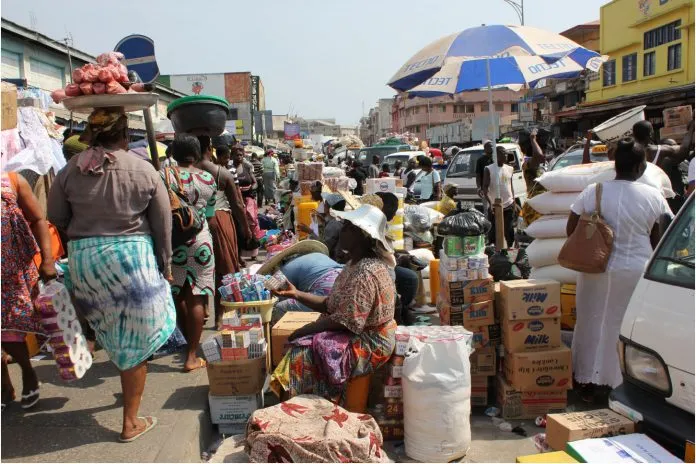
EXECUTIVE INTRODUCTION
For the small and medium enterprise in Accra, the final quarter of the year is not merely a busy period. It is the decisive theatre of operations upon which the entire annual profit and loss statement often pivots. The confluence of the Christmas season, the New Year festivities, the annual mass homecoming of the diaspora, and the deep cultural imperatives of gifting, feasting, and sartorial display creates a concentrated surge of consumer spending that has no equivalent at any other point in the Ghanaian calendar. An SME that botches its December strategy does not simply miss a month’s target; it may cripple its cash flow for the entire first quarter of the following year.
This Accra Street Journal analysis is a detailed, operational examination of how the capital’s most strategically intelligent SMEs prepare for this high-stakes sales season. This is not a superficial list of holiday marketing tips. It is a forensic account of the specific, granular, and often unglamorous preparations that separate the businesses which merely survive December from those which use it as a springboard for the new year. We examine the inventory financing gambles, the logistics of the seasonal workforce, the precision-timed marketing calendar, the delicate art of pricing for a stretched but aspirational consumer, and the critical, often-neglected strategy for managing the post-holiday cash hangover. The holiday season in Accra is a brutal, exhilarating, and unforgiving economic event. The SMEs that win are not the ones with the most festive decorations; they are the ones with the most rigorous, cold-blooded, and meticulously executed battle plan.

THE INVENTORY FINANCING GAMBLE: THE ANNUAL BET ON STOCK
The foundational strategic decision for any product-based SME preparing for the holiday season is the inventory bet. This is a high-stakes, nerve-wracking wager that the business must place months in advance of the actual selling season. The core dilemma is brutally simple: the greatest risk is being out of stock during the peak demand window, but the second-greatest risk is being left with a warehouse full of expensive, unsold inventory in January, when consumer spending collapses and the bills from the season fall due. The holiday inventory bet is the moment when the entrepreneur’s understanding of their market is tested with real, illiquid capital.
📢 GET A DETAILED ARTICLES + JOBS
Join ASJ's WhatsApp Channel and never miss a post or opportunity.

The sophisticated SME owner does not approach this decision on gut feel. They conduct a rigorous, data-driven post-mortem of the previous year’s sales, analysing exactly which stock-keeping units moved, at what velocity, and at what margin, during each week of the season. They build an inventory purchase plan based on a conservative sales forecast, not an aspirational one. They negotiate aggressively with suppliers for extended payment terms that stretch into the new year, aligning their cash outflows with their anticipated inflows. Crucially, they avoid the fatal temptation of the “all-in” bet on an unproven, trendy new product line, instead securing their base by ensuring deep stock of their proven, reliable, high-turnover core items. The inventory bet is the single decision that will determine whether the holiday season is a triumph or a disaster, and the successful SME owner approaches it with the seriousness of a military quartermaster planning a major campaign.
THE SEASONAL WORKFORCE: THE HUMAN SURGE CAPACITY
The physical and logistical demands of the holiday season are orders of magnitude greater than the normal operational tempo. The customer traffic multiplies, the stock needs constant replenishment, the packaging and delivery volumes spike to unsustainable levels for the permanent team. The SME that attempts to handle this surge with its normal, peacetime staffing levels is guaranteeing a catastrophic failure of customer service, a collapse of order fulfilment times, and a burned-out, demoralised core team by the middle of December. The seasonal workforce is not an optional extra; it is the human surge capacity without which the entire operation seizes up.

The intelligent SME owner activates this surge capacity through a deliberate, pre-planned strategy. The primary recruitment pool is the extended family, the church youth group, and the university students returning home for the long vacation. These are known, trusted, and motivated individuals who can be rapidly trained on specific, limited tasks: the additional sales floor assistant to manage the crowd, the extra pair of hands in the packing and dispatch room, the dedicated delivery rider for the season. The training is conducted in the quiet weeks of November, so that the temporary staff are operational by the first week of December. The compensation is structured as a competitive daily or weekly cash rate, often with a performance bonus tied to the season’s total sales, aligning the temporary workers’ incentives directly with the business’s success. The SME owner who is still doing the packing themselves at 2 a.m. on the 23rd of December is a business owner who has failed to plan their human surge capacity, and their customer experience, and their health, will pay the price.
THE MARKETING CALENDAR: PRECISION, URGENCY, AND THE PERSONAL TOUCH
The holiday marketing strategy of the successful Accra SME is not a random, panicked burst of festive Instagram posts. It is a precisely timed, multi-channel campaign that builds in intensity according to a deliberate calendar, mirroring the psychology of the holiday shopper. The season begins not with a sales promotion, but with a “coming soon” tease in late November. The early December phase is about inspiration and curation: the gift guides, the styling suggestions for the office party and the Christmas Day church service, the “lookbooks” that position the business’s products within the visual language of the aspirational Ghanaian holiday.
The promotional intensity escalates in mid-December, with the launch of the specific, compelling, and time-limited offers. Crucially, the most powerful marketing channel for the Accra SME during this period is not the public social media post but the private, direct, and personal message. The WhatsApp voice note to the top twenty repeat customers, offering them an exclusive first look at the new holiday stock before it is released to the general public. The personalised message to the corporate client, reminding them of the order deadline for the end-of-year staff hampers. The tone is one of exclusive service and personal attention, not mass-market broadcast. The final week before Christmas pivots to pure logistics: order deadlines, last delivery dates, and clear, unambiguous calls to action for the last-minute shopper. The marketing is precise, personal, and psychologically attuned to the specific decision-making timeline of the Accra holiday consumer, who combines a deep cultural obligation to spend with a very modern habit of procrastination.
THE PRICING AND BUNDLING STRATEGY: THE ART OF THE HOLIDAY OFFER
Pricing for the holiday season in Accra is a delicate and sophisticated art. The consumer is simultaneously stretched by the immense financial demands of the season and liberated by a cultural imperative to spend, to gift, and to display abundance. The successful SME does not simply slash prices in a panic. That signals desperation and erodes the very margin the season is meant to secure. Instead, they design a pricing and bundling architecture that protects perceived value while increasing the total basket size.
The primary tool is the curated gift bundle. Instead of discounting the individual, high-margin body butter, the skincare brand creates a beautifully packaged “Harmattan Survival Kit” containing the butter, a lip balm, and a mini oil, priced at a premium to the cost of the individual items but presented as a value proposition and a convenient, ready-made gift solution. The fashion accessory brand creates a “Christmas Day Complete Look” bundle, matching the bag, the earrings, and the fascinator. The food business offers the pre-ordered, premium-packaged Christmas hamper. These bundles increase the average transaction value, solve the gift-shopping dilemma for the harried male consumer who wants to buy something impressive for his wife but does not know how to curate the individual pieces, and create the perception of receiving more for a special, exclusive price. The discounting, where it occurs, is reserved for loyal, repeat customers as an exclusive privilege, or applied quietly to last-season stock that must be cleared to make way for the new inventory, preserving the full-margin integrity of the current holiday collection.
THE LOGISTICS OF THE LAST MILE: THE DELIVERY CRUNCH AND ITS SOLUTION
The single most visible point of failure for Accra SMEs during the holiday season is the last-mile delivery. The city’s notorious traffic congestion, already a daily scourge, becomes paralysing in December as the streets fill with shoppers, party-goers, and returning diaspora. A delivery promise that is broken during the Christmas season is not a minor customer service failure; it is a catastrophic breach of trust that destroys the gift-giving moment, generates furious social media complaints, and poisons the customer relationship permanently. The holiday logistics plan is, therefore, not a back-office afterthought; it is a frontline strategic necessity.
The successful SME builds this plan months in advance. They negotiate a dedicated, priority arrangement with a specific, trusted rider or small logistics partner, guaranteeing capacity during the peak week. They make the brutal but necessary decision to suspend delivery to the most traffic-choked and time-consuming parts of the city, concentrating their logistics firepower on the core, reachable customer base. They incentivise the click-and-collect model, offering the customer a small discount, a free gift, or an exclusive in-store experience to come to the pop-up or the workshop to pick up their order, turning a logistics cost into a second brand touchpoint. They communicate delivery cut-off dates with relentless, unambiguous clarity across all their channels. The SME that manages the customer’s delivery expectations with honesty and precision will build trust, even when saying “no” to a last-minute, geographically impossible request. The SME that over-promises and under-delivers will find its reputation in tatters by Boxing Day.
THE POST-HOLIDAY CASH HANGOVER AND THE JANUARY RESET
The final, and most strategically neglected, phase of the holiday preparation is the plan for January. The experienced Accra SME owner understands that the feast of December is inevitably followed by the famine of the new year. Consumer spending collapses as households face school fee payments, depleted savings, and the accumulated credit debts of the holiday season. The business itself faces its own cash crunch: suppliers must be paid for the holiday inventory that was sold, often on extended terms that now fall due, while new sales revenue slows to a trickle.
The prepared SME enters December with a deliberate, pre-planned January survival strategy. The cash from the holiday sales is not treated as profit to be consumed in the celebration of a successful season. A strict, pre-determined percentage is ring-fenced immediately into a separate account, designated specifically for the January supplier bills and the operating expenses that will persist regardless of sales volume. The marketing strategy pivots sharply, from the aspirational gifting of December to the practical, value-driven necessities of the “back-to-school” and “new year, new budget” consumer. The product offering is adjusted to smaller sizes, essential items, and lower price points that align with the depleted post-holiday wallet. The deep discounting of any residual, slow-moving holiday stock is executed quickly and decisively to convert it into whatever cash it can yield, clearing the shelves and the mind for the new year’s strategy. The business that survives and thrives in Accra is not the one that celebrates the biggest December. It is the one that wakes up on the second of January with the cash, the plan, and the discipline to navigate the long, lean months ahead.

QUICK FACTS BOX: ACCRA SME HOLIDAY SALES PREPARATION
-
The Inventory Bet: A data-driven, high-stakes wager on stock volume and mix placed months in advance, balancing the risk of stock-outs against the risk of a costly, unsold January inventory hangover.
-
The Seasonal Workforce: A pre-planned, pre-trained human surge capacity drawn from trusted, known networks (family, returning students), paid on a competitive daily or performance-bonus basis.
-
The Precision Marketing Calendar: A multi-channel campaign building from November teasers through December urgency, with the most powerful channel being the private, direct, personal WhatsApp message to top customers.
-
The Pricing & Bundling Art: A strategy centred on curated, premium-priced gift bundles and exclusive loyalty discounts, avoiding the brand-destroying, margin-killing trap of a blanket price-slashing sale.
-
The Last-Mile Logistics: A dedicated, pre-negotiated priority delivery partnership, the disciplined suspension of service to unprofitable areas, and a deliberate incentivisation of the click-and-collect model.
-
The January Survival Plan: The pre-emptive ring-fencing of a percentage of December cash flow to meet January obligations, and a sharp strategic pivot to value-driven, back-to-school, and necessity-based product and marketing.
-
Core Strategic Insight: December is not an end in itself but the most volatile phase of a continuous business cycle. Success is defined not by the December sales figure, but by the business’s cash position and operational readiness on the second of January.

Last Updated on July 28, 2026 by Samuel Kwame Boadu
Disclaimer: Some content on Accra Street Journal may be aggregated, summarized, or edited from third-party sources for informational purposes. Images and media are used under fair use or royalty-free licenses. Accra Street Journal is a subsidiary of SamBoad Publishing Hub under SamBoad Business Group Ltd, registered in Ghana since 2014.
For concerns or inquiries, please visit our Privacy Policy or Contact Page.

Samuel Kwame Boadu is a Ghanaian media entrepreneur and storyteller with a passion for amplifying urban voices and uncovering everyday truths. He is the Editor-in-Chief and Founder of Accra Street Journal, a dynamic digital platform dedicated to capturing the pulse of Ghana’s capital—its people, culture, challenges, business, sports and innovations.