


14 min read
Introduction
Ghana is a young country. Nearly three out of every four Ghanaians are aged 35 or below . By the official definition used by the National Youth Policy, the African Youth Charter, and ECOWAS, “youth” means anyone between 15 and 35 years old . That is not a small demographic slice. It is the overwhelming majority of the population.
Yet the institutions that shape Ghana’s future are still largely controlled by older generations. Young people are mobilised during elections, invited to youth conferences, consulted on policies, and praised in speeches. But when the most consequential decisions are made, they are often expected to remain at the margins .
Key Takeaways
- The Youth Employment Agency, meanwhile, recruited 100,628 beneficiaries by September 2026, achieving 75.7 percent of its annual target.
- The NYA, with UNFPA support, conducted a Youth Leadership Fellowship Training for 261 youth leaders across the country, covering ethical leadership, civic responsibility, emotional intelligence, and project planning .
- A draft document developed from the Ghana Youth–Policy Dialogue Forum, containing youth-led proposals on participation, digital democracy, public trust, and constitutional reform, intended to guide engagement with public institutions .
This gap between demographic reality and political power is the central tension in any discussion of youth leadership in Ghana. The question is no longer whether young people are participating. They are. The question is whether the institutions they are trying to influence have evolved enough to engage with them meaningfully .
This article examines the state of youth leadership and participation in Ghana. It covers the digital mobilisation that has reshaped civic activism, the institutional programmes trying to build the next generation of leaders, the political parties struggling to attract young members, and the structural barriers that keep young Ghanaians from translating their energy into lasting influence.
The New Civic Space: Digital Mobilisation
Young Ghanaians have not stopped caring about politics. They practise it differently.
The traditional routes into civic life attract few people. Afrobarometer’s 2024 survey found that only about 15 percent of Ghanaian adults have ever joined others in their community to ask for action. About 16 percent have ever contacted their Member of Parliament. Only about 6 percent have ever joined a protest .
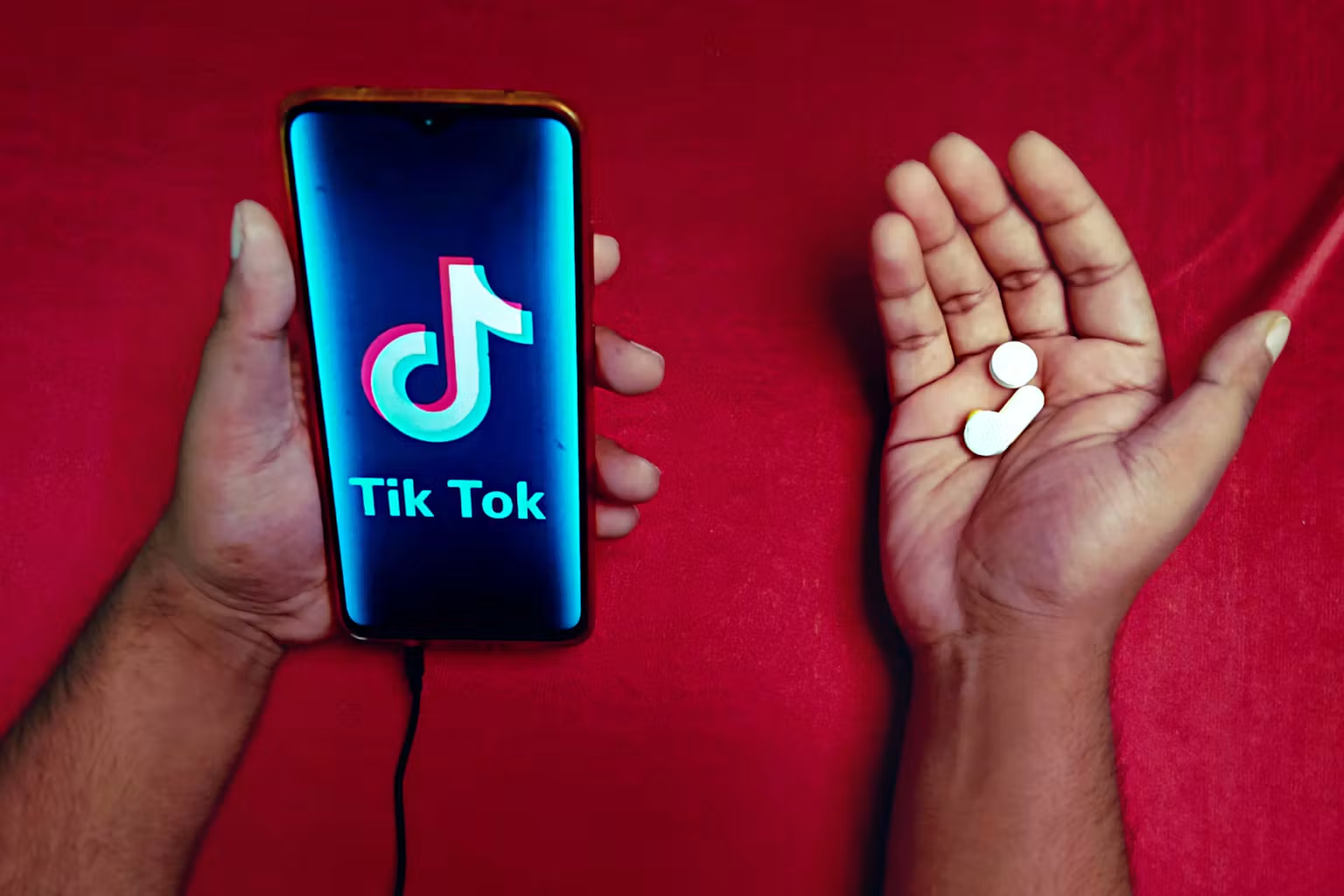
Instead, young people have built their own civic spaces on X, TikTok, and WhatsApp. Scholars describe a shift from the “dutiful citizen”—who votes, joins a party, and follows the evening news—to the “networked citizen” who joins causes, creates content, and acts on personal values .
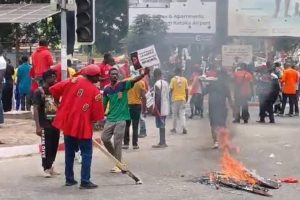
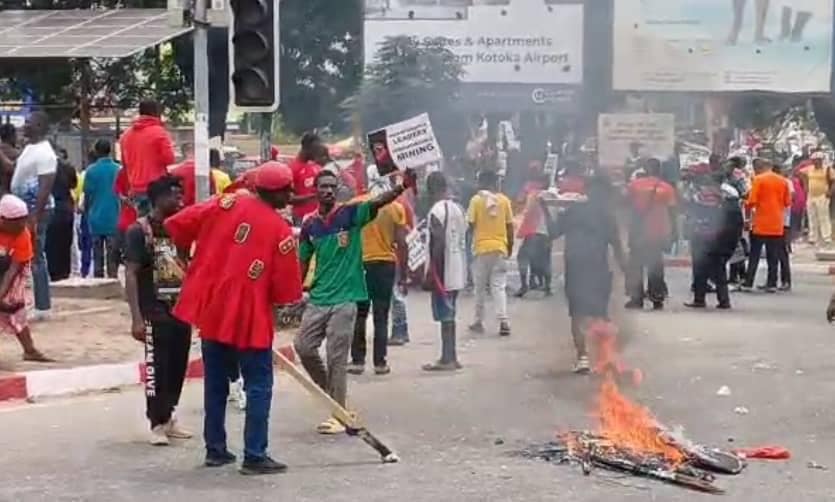
The results have been striking. #FixTheCountry in 2021 turned daily hardship into a national conversation. #OccupyJulorbiHouse in 2023 carried anger over the economy from phones to the streets. And #StopGalamsey in 2024 against illegal mining led to more than 50 arrests, with #FreeTheYouth trending within hours as Ghanaians rallied behind the detainees.
This is not just noise. It is a different form of political engagement, one that operates outside formal institutions and often faster than they can respond. The UNDP’s Head of Transformative Governance put it plainly: “The question is not whether young people are participating. The question is whether our institutions have evolved enough to engage meaningfully with the ways in which young people participate” .
The gap between online mobilisation and institutional influence remains the central challenge. As one analysis noted, Ghana does reasonably well at the first two levels of e-participation—sharing information online and asking for views—but rarely reaches the third level, where citizens help shape the decision. Ghana ranks 82nd out of 193 countries on the UN’s E-Participation Index .

Building Leaders: The Institutional Response
The government and its partners are not ignoring the leadership gap. Several programmes are actively trying to build the next generation of young leaders.
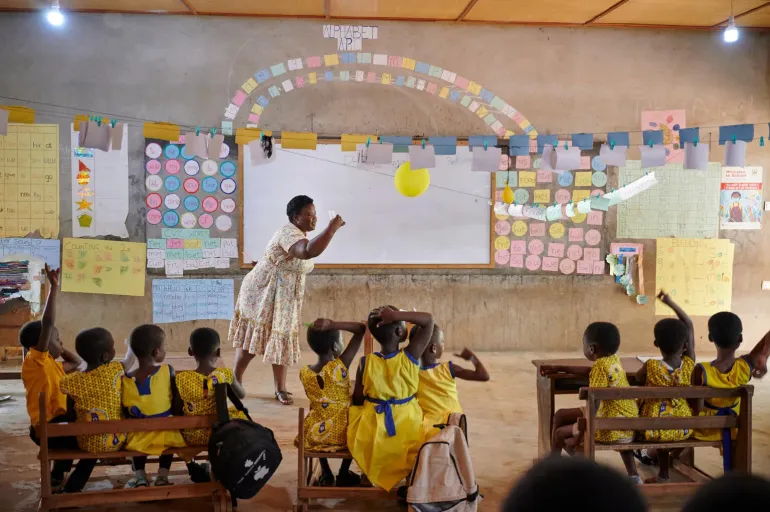
The National Youth Authority, with support from UNFPA, conducted a Youth Leadership Fellowship Training across the country, with 261 youth leaders participating. The training covered ethical leadership, civic responsibility, emotional intelligence, and project planning. The NYA’s CEO urged young people to “secure a place at the decision-making table,” emphasising that their participation should not be based merely on their age but on the ideas, experiences, and perspectives they bring .

The National Apprenticeship Programme, run through the NYA, has reached over 14,000 apprentices and 4,000 master craft persons across all 16 regions and 261 districts. It covers trades including agriculture, automotive, fashion, hospitality, ICT, and manufacturing . The Youth Employment Agency, meanwhile, recruited 100,628 beneficiaries by September 2026, achieving 75.7 percent of its annual target. It raised monthly allowances from GH¢500 to GH¢800 and secured agreements with security agencies to absorb at least 60 percent of beneficiaries after their two-year engagement .
These programmes matter. They provide skills, income, and pathways to employment for young people who might otherwise be left out entirely. But they are not the same as leadership. They are preparation for work, not for power.
The more direct leadership development came through forums like the Ghana Youth–Policy Dialogue Forum, convened by AU-ECOSOCC and Reform Initiatives with UNDP support. Held in Accra in October 2026, it brought together young people to move beyond mobilisation toward institutional influence. Participants developed proposals across four areas—youth participation and institutional accountability, digital democracy, public trust and political transitions, and constitutional review—informing the first draft of the Accra Youth Governance Roadmap .
One participant, a law student from the University for Development Studies, described the shift in her own understanding: “I now have a clearer understanding of how to take issues affecting young people beyond social media and engage the institutions responsible for addressing them. I’m committed to putting that knowledge into practice” .
The Political Parties: A Generational Disconnect
If young people are the majority, why do political parties struggle to attract them?
The evidence from Ghana’s two major parties tells different stories. The National Democratic Congress has long cultivated a reputation for identifying and elevating young leaders. The New Patriotic Party, by contrast, has struggled to replicate that pipeline .
In March 2026, the NPP’s grassroots registration exercise laid bare the problem. Party insiders and observers reported that the exercise was overwhelmingly patronised by elderly supporters while young people stayed away. A party sympathiser’s video circulated widely, warning: “The youth are not registering, and it is not that the communication hasn’t gone down well. It has. It is the current crop of leaders they are not making the party attractive to the youth” .
The data reinforced the anecdotal evidence. Global InfoAnalytics polling in March 2026 found that only 25 percent of voters openly associated with the NPP, compared to 46 percent for the NDC. In the swing regions of Greater Accra, Central, and Western, the gap was even wider: 22 percent for the NPP against 58 percent for the NDC.
The problem is not unique to one party. It reflects a broader structural issue: when young people do not see their peers in leadership, they do not see a future for themselves in the institution. As one analysis put it, “When your own loyalists are taking to TikTok to warn that the party will ‘perish’ if leaders do not change, it is no longer a fringe concern. It is a signal” .
The Representation Question
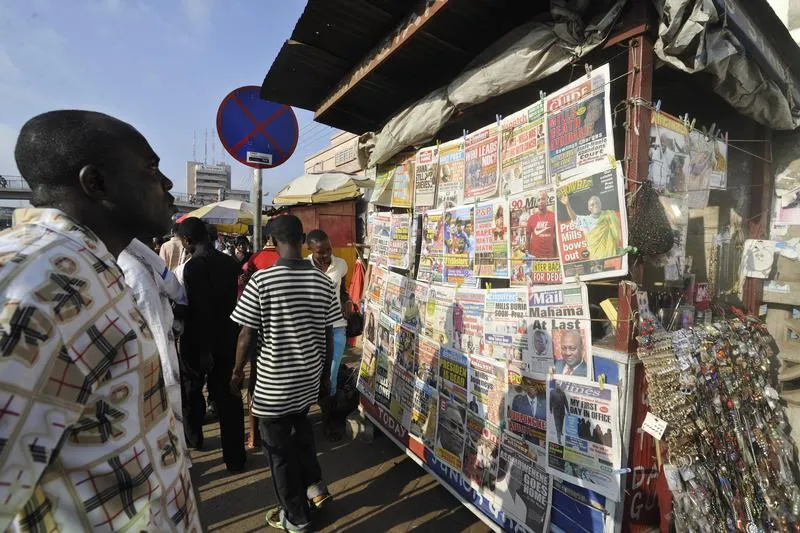
The Ghanaian Times raised a question in August 2026 that deserves serious national debate: “If young people are capable of leading Ghana tomorrow, why are we reluctant to trust them with meaningful leadership today?”

The editorial imagined a 25-year-old walking into a Cabinet meeting—not as an observer or an aide, but as the Minister responsible for Youth Development and Empowerment. For many Ghanaians, that sounds unusual. But perhaps that is precisely the problem .
The argument is not that age alone qualifies someone for leadership. Competence, integrity, experience, education, and character must remain essential. But neither should age automatically disqualify a qualified young person from national leadership .
The lived experience argument is powerful. A policymaker can read a report about youth unemployment. A young graduate experiences the frustration of searching for a job. A policymaker can study youth entrepreneurship. A young entrepreneur experiences the difficulty of raising capital. Both perspectives are valuable, but youth policy becomes stronger when the lived experiences of young people are directly represented at the highest level of decision-making .
Ghana has become increasingly comfortable inviting young people to conferences, consultations, and public forums. But consultation should not be confused with participation. There is a difference between being invited to speak and being given the authority to influence decisions .
The Emerging Leaders
Despite the structural barriers, young Ghanaians are building platforms and earning recognition that suggests the pipeline of leadership is not empty.
Juliet Nyarko Adansi was appointed an Ambassador of the International Organization of Youth for the 2026–2027 term. She is the Founder and Executive Director of the JOYA Foundation, Ghana Programs Manager for Seeds of Fortune Inc., and a former Youth Delegate to the Council of Europe. Her work focuses on gender equality, girls’ education, and youth empowerment, connecting grassroots advocacy in Ghana with international platforms .
Activista Ghana, the youth movement of ActionAid Ghana, elected new Northern Regional executives in January 2026, with the new coordinator pledging to amplify marginalized voices, champion climate justice, and invest in youth leadership development. The movement represents a model of youth-led organising that operates outside party politics, focused on social justice and community accountability .
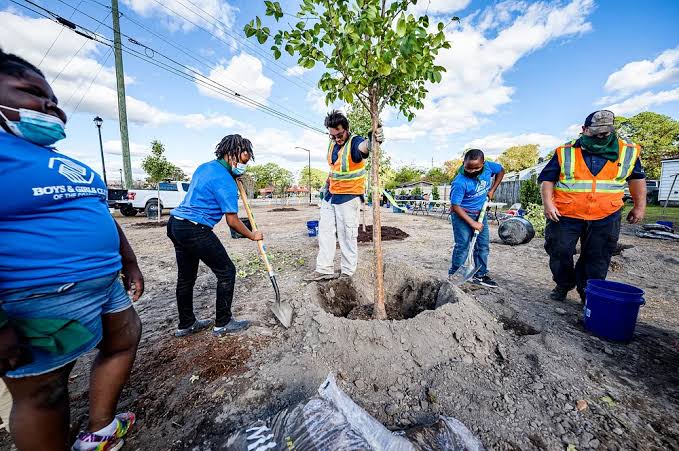
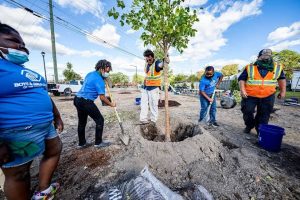
In the environmental space, young Ghanaians are leading restoration efforts. Raphael Sanza co-founded the Climate and Ecosystem Restoration Network and has helped plant over 1,100 nursery plants at the Muni Pomadje Ramsar Site. Paulina Amenyona works with the Rights and Advocacy Initiatives Network promoting sustainable forest governance. Racheal Addo champions mangrove protection and community-led conservation .
These are not household names. They are not Cabinet ministers. But they represent the kind of leadership that is being built from the ground up, in communities, in civil society, and in international networks. The question is whether that leadership will be recognised and elevated by the institutions that hold formal power.
The Challenges
The obstacles to youth leadership in Ghana are structural and stubborn.
Economic exclusion. Young people aged 15 to 35 constitute about 38 percent of Ghana’s population, but many struggle to find meaningful employment. The 2025 State of the Youth Address identified skills, economic empowerment, civic engagement, personal development, and leadership as critical areas of youth development. Without economic independence, political participation is harder to sustain.
The consultation trap. Young people are invited to forums, asked for their views, and then excluded from the decisions. The Constitution Review Committee received 735 of its 785 written submissions through a website or email, and one live session on X reached about 21,000 young people. But the Committee kept the final decisions to itself . This is normal for a review committee, but it illustrates the gap between engagement and power.
Misinformation and digital manipulation. During the 2024 election, the Ghana Fact-checking Coalition found that more than 80 percent of false claims it tracked spread on social media, including AI-generated fake audio clips of presidential candidates . The state’s proposed response—a bill imposing prison terms for false information and requiring content creators to be licensed—has drawn warnings from press freedom groups that it could criminalise legitimate criticism .
Institutional underfunding. The Youth Employment Agency acknowledged that funding constraints, including the capping of Communication Service Tax revenue and the absence of allocations from the District Assemblies Common Fund, continue to affect programme implementation . The institutions meant to support youth development are themselves operating on fragile budgets.
Why It Matters
The future of Ghana’s democracy depends on whether young people believe it can deliver for them.
The UNDP’s Dr Edward Ampratwum noted the contrast between young people’s support for democracy and their dissatisfaction with its performance, linking democratic legitimacy to access to skills, technology, finance, markets, and decent livelihoods . When young people feel that their voices do not matter, they disengage. When they disengage, the space for accountability shrinks.
But youth participation is not just about democracy. It is about development. The ideas, energy, and perspectives of young Ghanaians are the country’s most underutilised resource. A 25-year-old who understands digital markets instinctively, who has built a business from a phone, who has mobilised a community online—that person has something to offer that no report can capture.
The Ghanaian Times put it well: “It is time to move from speaking for the youth to trusting them with the responsibility to lead” .
Future Outlook
The direction of youth leadership in Ghana depends on whether the gap between participation and power can be closed.
The positive signs: Young people are organising, mobilising, and building platforms. The institutional programmes are reaching thousands with skills and employment. Forums like the Ghana Youth–Policy Dialogue Forum are producing concrete proposals and roadmaps. And the conversation about representation is happening openly, in newspapers and on social media.
The risks: If the economic exclusion of young people continues, frustration will grow. If consultations remain tokenistic, cynicism will deepen. If political parties do not renew their leadership and appeal, they will lose the next generation of voters entirely.
The most likely scenario is continued tension. Young Ghanaians will keep mobilising online and in their communities. Some will find pathways through civil society, international organisations, and entrepreneurship. A few will break into formal politics. But the systemic shift—from youth as beneficiaries to youth as decision-makers—will be slow.
The wild card is the 2028 election. If young voters turn out in force and if their turnout is decisive, parties will have no choice but to take them seriously. If they stay home, the status quo will persist.
ASJ Conclusion
Ghana’s youth are not waiting for permission to lead. They are building businesses, organising communities, mobilising online, and finding ways to influence the world around them. What they are waiting for is for the institutions that hold power to recognise that leadership is not a gift to be granted when they are older. It is a capacity that exists now, in the 25-year-old with a phone, the student with a cause, the entrepreneur with an idea.
The Accra Youth Governance Roadmap, the NYA’s leadership training, the YEA’s employment programmes—these are steps in the right direction. But they are not enough on their own. What is needed is a fundamental shift in how Ghana thinks about youth: not as the leaders of tomorrow, but as partners in leadership today.
The question is not whether young Ghanaians are ready. They are. The question is whether the system is ready to let them in.
Quick Facts
Topic: Youth Leadership and Participation in Ghana
Youth Definition (Ghana/AU/ECOWAS): 15–35 years
Youth Share of Population: ~38% (15–35 age bracket)
Internet Users (end 2025): ~3 in 4 Ghanaians
Afrobarometer Civic Participation: ~15% have joined community action; ~6% have protested
Ghana E-Participation Rank: 82nd of 193 countries (UN 2024)
NYA Youth Leadership Fellowship: 261 youth leaders trained (UNFPA support)
National Apprenticeship Programme: 14,000+ apprentices, 4,000+ master craft persons
YEA Recruitment (Sept 2026): 100,628 beneficiaries (75.7% of target)
YEA Allowance Increase: GH¢500 to GH¢800 (60% rise)
Key Youth Forums: Ghana Youth–Policy Dialogue Forum (Accra, Oct 2026)
Main Challenge: Consultation without decision-making power; economic exclusion
FAQ Section
1. How does Ghana define “youth”?
Ghana’s National Youth Policy defines youth as persons between 15 and 35 years. The African Youth Charter and ECOWAS use the same age bracket .
2. What percentage of Ghana’s population is youth?
People aged 15 to 35 constitute about 38 percent of Ghana’s population .
3. What is the National Youth Authority doing for youth leadership?
The NYA, with UNFPA support, conducted a Youth Leadership Fellowship Training for 261 youth leaders across the country, covering ethical leadership, civic responsibility, emotional intelligence, and project planning .
4. What is the National Apprenticeship Programme?
A NYA programme that provides skills training in trades including agriculture, automotive, fashion, hospitality, ICT, and manufacturing. It has reached over 14,000 apprentices and 4,000 master craft persons across all 16 regions .
5. How many people has the Youth Employment Agency recruited?
The YEA recruited 100,628 beneficiaries by September 2026, achieving 75.7 percent of its annual target. It also raised monthly allowances from GH¢500 to GH¢800 .
6. What was the Ghana Youth–Policy Dialogue Forum?
A forum held in Accra in October 2026, organised by AU-ECOSOCC and Reform Initiatives with UNDP support, to help young people move from mobilisation to institutional influence. It produced the first draft of the Accra Youth Governance Roadmap .
7. Why are political parties struggling to attract young members?
Young people do not see their peers in leadership and do not feel the parties are making themselves attractive. The NPP’s 2026 registration exercise was dominated by elderly supporters, and polling showed only 25% of voters associated with the party, compared to 46% for the NDC .
8. What is #FixTheCountry?
A 2021 social media campaign started by young Ghanaians to demand action on unemployment, bad roads, and the cost of living. It became one of the most used hashtags in Ghana’s history and led to street protests .
9. What is the Accra Youth Governance Roadmap?
A draft document developed from the Ghana Youth–Policy Dialogue Forum, containing youth-led proposals on participation, digital democracy, public trust, and constitutional reform, intended to guide engagement with public institutions .
10. What are the biggest challenges facing youth leadership in Ghana?
Economic exclusion, consultation without decision-making power, misinformation and digital manipulation, and underfunded youth institutions
Source: Accra Street Journal
Last Updated on November 27, 2026 by Samuel Kwame Boadu
Disclaimer: Some content on Accra Street Journal may be aggregated, summarized, or edited from third-party sources for informational purposes. Images and media are used under fair use or royalty-free licenses. Accra Street Journal is a subsidiary of SamBoad Publishing Hub under SamBoad Business Group Ltd, registered in Ghana since 2014.
For concerns or inquiries, please visit our Privacy Policy or Contact Page.

Samuel Kwame Boadu is a Ghanaian media entrepreneur and storyteller with a passion for amplifying urban voices and uncovering everyday truths. He is the Editor-in-Chief and Founder of Accra Street Journal, a dynamic digital platform dedicated to capturing the pulse of Ghana’s capital—its people, culture, challenges, business, sports and innovations.
Use the following reference when citing or referencing this article.
Your feedback helps us improve our journalism.
Report an Error
Help us maintain accuracy. Let our editorial team know if you spot an issue in this article.
Report a problem with this article