


14 min read
Introduction
In 2021, a hashtag started by young Ghanaians tired of unemployment and bad roads became one of the most used in the country’s history. #FixTheCountry did not begin in a newsroom or a political party headquarters. It began on X, then Twitter, and it forced radio and television to cover a conversation they had not started .
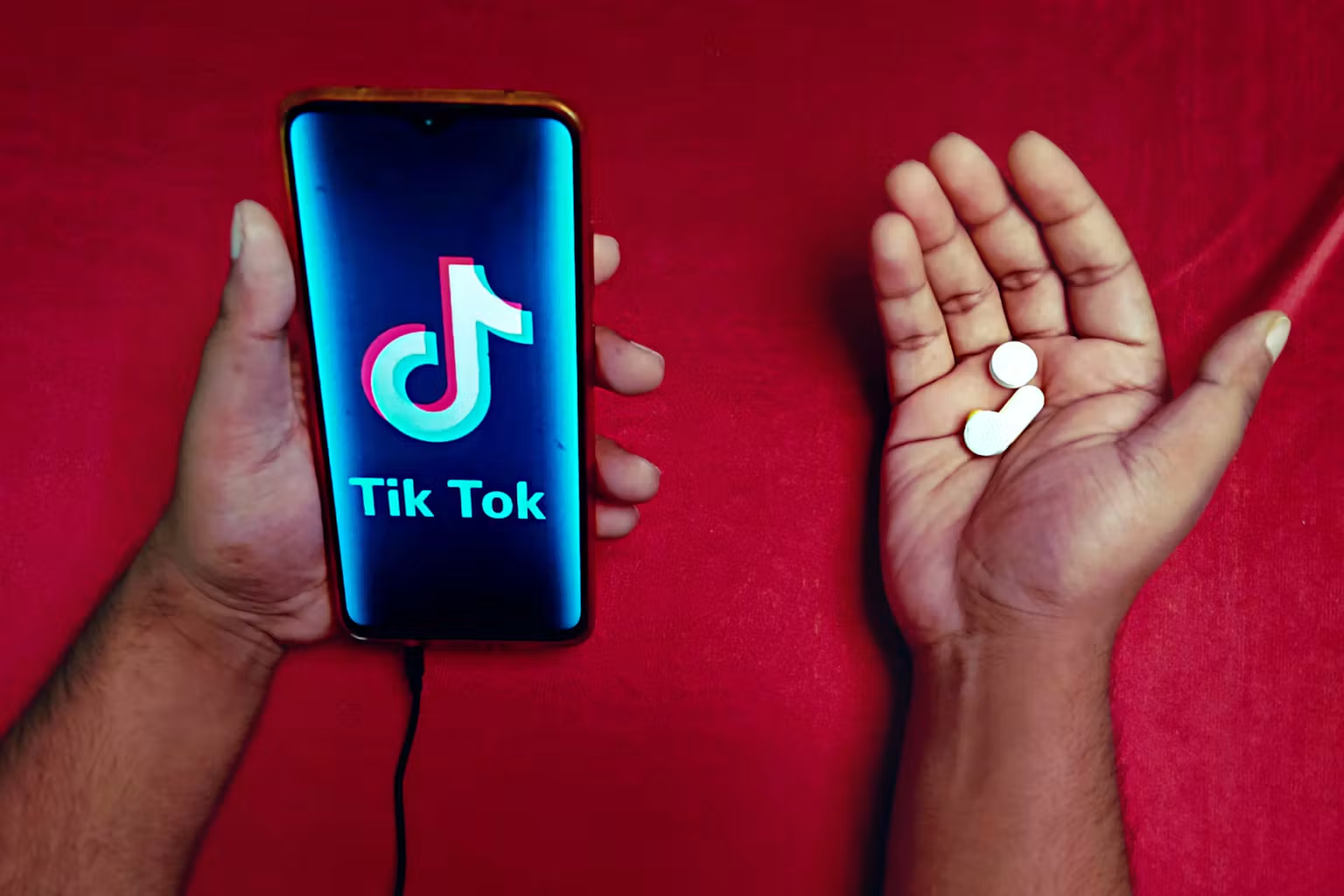
Five years later, the terms of that conversation have changed again. Ghana’s public debate now unfolds across TikTok, X, WhatsApp, Facebook, and YouTube, shaped by algorithms, amplified by content creators, and contested by a government that is itself unsure how to respond. President Mahama has called for a national dialogue on regulating TikTok, warning about “information integrity” while insisting he does not mind being insulted . A TikToker was jailed for a year for spreading false claims about him . And a legal practitioner warned politicians that they cannot “nurture a monster for political expediency” and then feign horror when it bites .
Key Takeaways
- Ghana's public debate now unfolds across TikTok, X, WhatsApp, Facebook, and YouTube, shaped by algorithms, amplified by content creators, and contested by a government that is itself unsure how to respond.
- This article examines how social media and digital platforms are transforming public debate in Ghana.
- During the 2024 general election, the Ghana Fact-checking Coalition found that more than 80 percent of the false claims it tracked spread on social media.
This article examines how social media and digital platforms are transforming public debate in Ghana. It covers the shift from traditional civic participation to networked activism, the rise of misinformation and manipulated content, the government’s regulatory dilemma, and what all of this means for the quality of the country’s democracy.
The Shift from Dutiful to Networked Citizenship
The numbers tell a story of disengagement from traditional politics and re-engagement elsewhere. Afrobarometer’s 2024 survey found that only about 15 percent of Ghanaian adults have ever joined others in their community to ask for action. About 16 percent have contacted their Member of Parliament. Only about 6 percent have ever joined a protest .
Yet Ghana is young and connected. Nearly three out of four Ghanaians are aged 35 or below, and by the end of 2025, about three in four were internet users . Young people have not stopped caring about public life. They have built their own civic spaces on platforms that traditional institutions do not control.
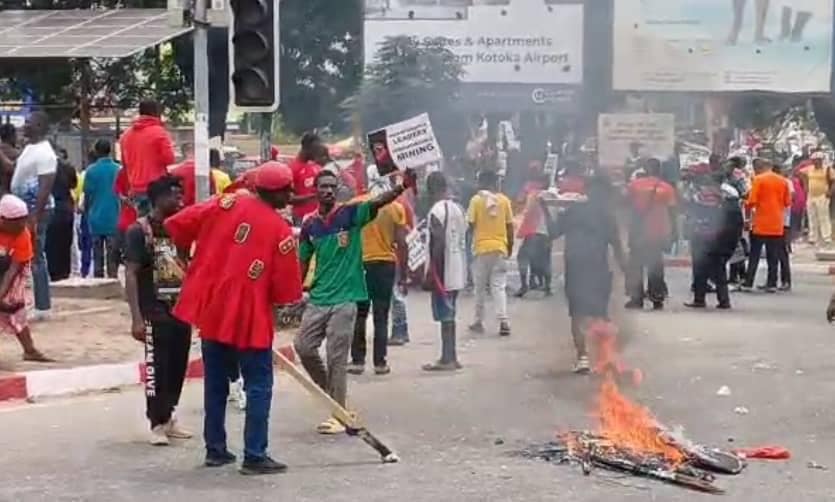
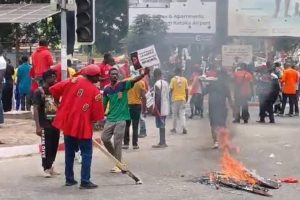
The results have been visible and disruptive. #FixTheCountry turned daily hardship into a national conversation. #OccupyJulorbiHouse in 2023 carried anger over the economy from phones to the streets. In September 2024, the #StopGalamsey protests against illegal mining led to more than 50 arrests, and within hours, #FreeTheYouth was trending as Ghanaians rallied behind the detainees.
This is a different model of participation. It is faster, less hierarchical, and often more confrontational than the party politics that preceded it. And it has forced institutions to respond. When the Constitution Review Committee invited proposals in 2025, 735 of its 785 written submissions came through a website or email. One live session on X reached about 21,000 young people .
But there is a gap between being heard and being heeded. The UN measures e-participation at three levels: government sharing information, citizens being asked for views, and citizens helping shape decisions. Ghana ranks 82nd out of 193 countries. It does the first two reasonably well. It rarely reaches the third .
The Misinformation Problem and Its Consequences
The same platforms that enable mobilisation also enable deception. During the 2024 general election, the Ghana Fact-checking Coalition found that more than 80 percent of the false claims it tracked spread on social media. Three fake audio clips of presidential candidates, made with artificial intelligence, circulated before the vote.
A 2026 study by Dubawa Ghana analysed 43 fact-check reports from 2025 and 2026 and found that synthetic media in Ghana is carefully tailored to exploit the beliefs, fears, and interests of specific audiences: highly partisan voters, financially vulnerable Ghanaians, Pan-Africanists, youth activists, religiously motivated citizens, and casual internet users . The study identified a “liar’s dividend” effect, where public figures dismiss genuine, unflattering evidence as “AI-generated,” making it harder to distinguish truth from fabrication .

The human consequences are real. In July 2026, a TikToker named Camilla Alhassan was sentenced to one year in prison after pleading guilty to publishing false news. She had alleged, without evidence, that President Mahama sacrificed 32 cows as part of a ritual to win the 2024 election. She had more than 70,000 followers, and the videos were widely shared . The Ghanaian Chronicle, in an editorial on the ruling, noted that while the sentence would provoke debate, it highlighted “the reckless abuse of social media and the alarming spread of misinformation” .
The case is part of a broader pattern. A senior nursing officer was arrested over her alleged links to an anonymous TikTok account critical of the President. Other TikTokers were arrested earlier in 2026 . The government’s response has been enforcement, but the underlying problem—a digital environment where falsehood travels faster than fact—remains unresolved.

The Regulatory Dilemma
President Mahama has framed the challenge in terms of “information integrity.” Speaking at a town hall in New York in September 2026, he noted that traditional journalism relied on established outlets with professional reputations, while digital platforms allow anyone with a phone to publish to massive audiences instantly .
“There is a new term that I call information integrity,” he said. “The media has become democratised. Anybody with a mobile phone can disseminate information” .
He called for a national conversation, tasking the Ghana Journalists Association and the Media Foundation for West Africa with convening a stakeholder forum on digital content and online hate speech . But he also acknowledged the difficulty. He said he often learns of arrests for insulting him through the media, and that sometimes the reasons for those arrests worry him .
“Sometimes it worries me, because sometimes the reason for which the person will be arrested, really, they say he has insulted me,” he said. “And you look at the insult, it doesn’t touch my coat for the person to be arrested” .
The proposed legislative response—a Misinformation, Disinformation, Hate Speech and Publication of Other Information Bill—would impose prison terms for publishing false information and require media houses and content creators to be licensed. Press freedom groups warn that its broad definitions could criminalise legitimate criticism, and that licensing may clash with the constitutional bar on laws requiring journalists to be licensed .
The tension is not unique to Ghana, but it is sharper here because the line between criticism and abuse is so easily blurred. Legal practitioner Samson Lardy Anyenini argued on Joy News that politicians cannot encourage abusive language during campaigns and then express surprise when it is directed at them. You cannot nurture a monster for political expediency during elections and then feign horror when it begins to bite everyone around you,” he said .
The Culture of Insults and the Erosion of Civil Debate
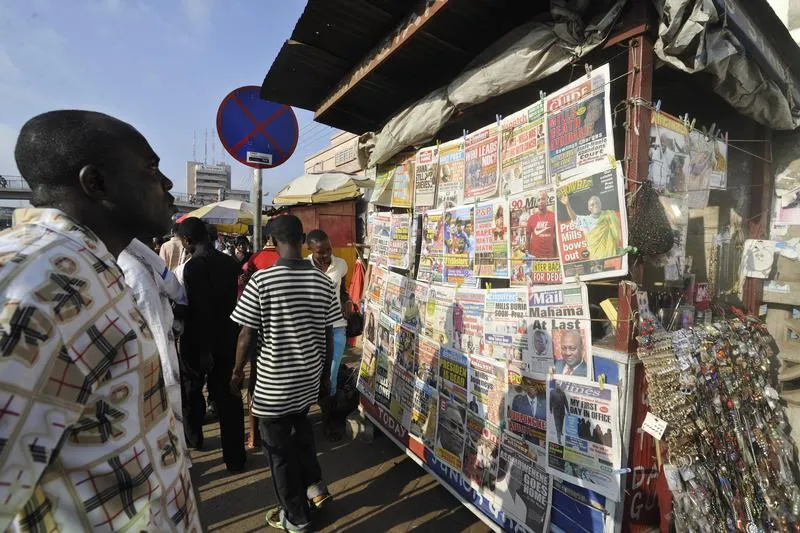
The Ghanaian Times, in a September 2026 editorial, described a “disturbing social media culture in which vulgarity, insults, abusive language, character assassination and the deliberate spread of misleading information are sometimes presented as entertainment or ‘content creation'” .
The editorial drew a distinction that is central to the debate: criticism is not abuse. Citizens have the right to criticise governments, opposition parties, and public officials. But that right does not justify defamation, threats, harassment, or the deliberate destruction of reputations .
Former MP Paul Apreku Twum-Barimah warned that both the NDC and NPP must accept responsibility for the toxic atmosphere online. He argued that the continuous sponsorship of abusive party foot soldiers on social media could have serious long-term consequences for national cohesion. “Many educated and responsible citizens are now afraid to even express opinions publicly because the moment you speak, political extremists descend on you with insults, propaganda and threats,” he said .
The IMANI Pulse index for September 2026 offered a quantitative view of the negativity. The tracked keyword “galamsey” generated 2,647 mentions with a mean sentiment score of -0.72, making it the month’s defining negative issue. EOCO” recorded 1,939 mentions at -0.34, and “cocaine” generated 1,344 mentions at -0.48. Of the political figures tracked, only Dr Mahamudu Bawumia and Finance Minister Cassiel Ato Forson finished the month with positive mean sentiment scores .

This is the environment in which public debate now operates: high volume, strong negativity, and a pervasive sense that the conversation is being driven by forces that nobody fully controls.
The Counter-Argument: Speech, Not Cuffs
Not everyone agrees that regulation is the answer. The dominant critique from civil liberties advocates and some media practitioners is that the problem is not the platform but the culture, and that criminal prosecution risks making things worse.
Anyenini’s argument is representative: “The answer to offensive speech is better speech and the answer to falsehood is truth, not handcuffs, courtrooms and crushing bail conditions” . He pointed to former Vice President Bawumia’s intervention in a case involving an NDC organiser, where Bawumia asked the police and Attorney General to discontinue the prosecution because he had not lodged a complaint .
Musician Shatta Wale, in an open letter to the President, proposed a middle path: a legal framework for serious and proven online misconduct, with proportionate penalties, due process, and explicit protection for criticism, journalism, satire, and political expression. He warned against reintroducing criminal libel, which Ghana repealed in 2001, and called for public education on responsible online conduct .
The debate is not about whether the digital environment has problems. It is about what kind of intervention will address those problems without making the state the arbiter of what counts as acceptable speech.
Why It Matters to Ordinary Ghanaians
Social media is not a playground for the elite. It is where ordinary Ghanaians discuss the things that affect their lives: the price of food, the quality of roads, the honesty of officials, the safety of their communities.
When a community’s concerns go viral, they can force a response. When a false claim spreads, it can incite violence or destroy a reputation. When the government responds with arrests, it can chill legitimate criticism. When it does nothing, it can embolden those who profit from division.
The stakes are particularly high for young people. They are the majority of the population and the majority of social media users. They have shown that they will mobilise when they feel strongly about something. The question is whether that energy will be channelled into constructive engagement or whether it will be met with restriction and end in disillusionment.
The Ghanaian Times put it in terms of national identity: “Is this the Ghana that our forebears, including Osagyefo Dr Kwame Nkrumah, envisioned?” The answer, the editorial suggested, “should not be left entirely to political leaders. It is a responsibility that must be borne by every Ghanaian” .
Future Outlook
The direction of public debate in Ghana will be shaped by three forces: regulation, platform accountability, and the evolution of citizen behaviour.
If regulation proceeds in the form proposed—criminal penalties and licensing requirements—Ghana risks narrowing the space for criticism while failing to address the root causes of misinformation. The experience of other countries suggests that criminalising speech drives it underground rather than eliminating it.
If a more balanced approach prevails, one that combines targeted enforcement against genuinely harmful content with protections for legitimate expression and investment in media literacy, the digital environment could become healthier without becoming quieter.
The most likely scenario is continued tension. The government will pursue some form of regulation, citing the excesses of the digital space. Civil society and media groups will push back. The courts will be asked to adjudicate. And ordinary Ghanaians will continue to use the platforms they have, navigating a space that is both more open and more dangerous than anything that existed before.
The wild card is the platforms themselves. If TikTok, X, and Meta invest seriously in content moderation, verification, and transparency in Ghana, the environment could improve without legislation. If they do not, the pressure for state intervention will grow. Either way, the era of unfettered digital debate in Ghana is unlikely to last indefinitely.
ASJ Conclusion
Ghana’s public debate has been transformed. It is faster, more fragmented, more emotional, and more accessible than it has ever been. A market woman in Kumasi can criticise a minister and be heard. A student in Tamale can organise a protest from a phone. A content creator in Accra can reach more people in a day than a newspaper reaches in a week.
But the same tools that empower also distort. Falsehood spreads faster than correction. Insults drown out argument. And the line between criticism and abuse is policed by nobody in particular, which means it is policed inconsistently and often unfairly.
The debate over how to respond is a debate about what kind of democracy Ghana wants to be. One that trusts citizens to navigate information, even when they get it wrong. Or one that trusts the state to decide what is true. The answer will not be found in a single law or a single platform policy. It will be found in the accumulated choices of citizens, journalists, politicians, and regulators who decide, day by day, what kind of digital public square they are willing to tolerate.
Quick Facts
Topic: Social Media and Public Debate in Ghana
Internet Penetration (end 2025): ~3 in 4 Ghanaians
Youth Population (≤35 years): ~74% (2021 census)
E-Participation Rank: 82nd of 193 countries (UN 2024)
Election Misinformation (2024): 80%+ of false claims spread on social media (Ghana Fact-checking Coalition)
First TikToker Jailed (2026): Camilla Alhassan, 1 year, false news about President
Key Hashtags: #FixTheCountry (2021), #OccupyJulorbiHouse (2023), #StopGalamsey (2024)
Proposed Legislation: Misinformation, Disinformation, Hate Speech Bill (penalties and licensing)
Key Concern: “Liar’s dividend” — genuine evidence dismissed as AI-generated
Sentiment (Sept 2026): Galamsey -0.72, EOCO -0.34, Cocaine -0.48 (IMANI Pulse)
FAQ Section
1. How is social media changing public debate in Ghana?
It has shifted participation from traditional channels like contacting MPs or joining parties to networked activism on X, TikTok, WhatsApp, and Facebook. Hashtags like #FixTheCountry and #StopGalamsey have forced national conversations that traditional media had to cover .
2. What is the government doing to regulate social media in Ghana?
President Mahama has called for a national dialogue on regulating TikTok and new media. A proposed Misinformation, Disinformation, Hate Speech Bill would impose prison terms for false information and require content creators to be licensed. Critics warn it could criminalise legitimate criticism .
3. Has anyone been jailed for social media posts in Ghana?
Yes. In July 2026, TikToker Camilla Alhassan was sentenced to one year in prison for publishing false news about President Mahama, including claims that he sacrificed 32 cows as part of a ritual .
4. What is the “liar’s dividend”?
It is the phenomenon where public figures dismiss genuine, unflattering evidence as “AI-generated,” making it harder for the public to distinguish truth from fabrication. Dubawa Ghana identified this as a key impact of synthetic media in Ghana .
5. How much misinformation spread during Ghana’s 2024 election?
The Ghana Fact-checking Coalition found that more than 80 percent of the false claims it tracked spread on social media. Three fake AI-generated audio clips of presidential candidates circulated before the vote .
6. What is #FixTheCountry?
A 2021 social media campaign started by young Ghanaians demanding action on unemployment, bad roads, and the cost of living. It became one of the most used hashtags in Ghana’s history and led to street protests .
7. What is Ghana’s e-participation ranking?
Ghana ranks 82nd out of 193 countries on the UN’s E-Participation Index. It does reasonably well at sharing information and asking for views, but rarely reaches the level where citizens help shape decisions .
8. What is the argument against criminalising online speech in Ghana?
Critics like Samson Lardy Anyenini argue that the answer to offensive speech is better speech and truth, not arrests and courtrooms. They warn that criminal prosecution can chill legitimate criticism and that politicians who benefited from abusive rhetoric cannot now claim surprise .
9. What did Shatta Wale propose for social media regulation?
In an open letter to the President, he proposed a legal framework for serious online misconduct with proportionate penalties (no more than one month custody), protection for criticism and satire, stronger account verification using Ghana Card, and public education—while warning against reintroducing criminal libel.
10. What is the “Azigi” trend?
A viral Ghanaian TikTok slang term associated with various trending videos, from police encounters to school incidents. It illustrates how quickly a term or moment can spread across Ghanaian social media and become part of the national conversation
Source: Accra Street Journal
Last Updated on November 27, 2026 by Samuel Kwame Boadu
Disclaimer: Some content on Accra Street Journal may be aggregated, summarized, or edited from third-party sources for informational purposes. Images and media are used under fair use or royalty-free licenses. Accra Street Journal is a subsidiary of SamBoad Publishing Hub under SamBoad Business Group Ltd, registered in Ghana since 2014.
For concerns or inquiries, please visit our Privacy Policy or Contact Page.

Samuel Kwame Boadu is a Ghanaian media entrepreneur and storyteller with a passion for amplifying urban voices and uncovering everyday truths. He is the Editor-in-Chief and Founder of Accra Street Journal, a dynamic digital platform dedicated to capturing the pulse of Ghana’s capital—its people, culture, challenges, business, sports and innovations.
Use the following reference when citing or referencing this article.
Your feedback helps us improve our journalism.
Report an Error
Help us maintain accuracy. Let our editorial team know if you spot an issue in this article.
Report a problem with this article