








A police report or police extract is the official record of an incident you reported—a theft, a loss, or an accident. It is not a conviction document, and it is not the same as a police clearance certificate. Institutions ask for it to process insurance claims, replace lost documents, or verify an incident. Here is how to obtain one, what it costs, and what to do if your phone or passport is lost.
Police Report vs Police Extract vs Police Clearance
These terms are often confused. They serve different purposes.

A Police Report or Extract is the written record of an incident you reported. It supports replacement applications and insurance claims. It does not replace the lost document itself .
📢 GET A DETAILED ARTICLES + JOBS
Join ASJ's WhatsApp Channel and never miss a post or opportunity.

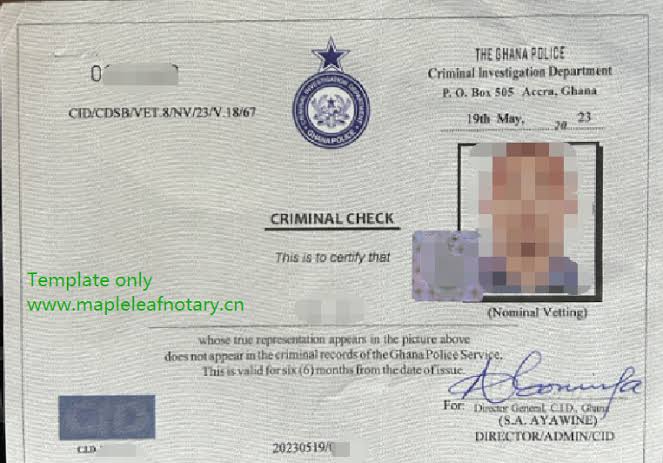
A Police Clearance Certificate is a different product. It confirms whether you have a criminal record and is used for visas, employment abroad, and immigration. It is issued by the Criminal Data Services Bureau at CID Headquarters.
This ASJ article focuses on the police report and extract.

When You Need a Police Report or Extract
Institutions ask for a police extract in several situations :
-
Lost or stolen phones, bags, or vehicles
-
Insurance claims after theft
-
Bank or SIM-related identity incidents
-
Some embassy or employer procedures
The extract is evidence. It is not the replacement document. You still need to apply to the issuing authority—Immigration for a passport, NIA for a Ghana Card, your school for a certificate—after obtaining the extract.
How to Obtain a Police Report or Extract
Where to Go
Report at the police station with jurisdiction relevant to the loss or theft. This is often where the incident happened or where you reside, depending on local practice . Ask the enquiry desk for the current process for a “police extract” or report for lost documents.
What to Bring
Bring the following :
-
Any remaining ID
-
Photocopies or phone photos of the lost item, if you have them
-
Details of when, where, and how you noticed the loss
-
Serial numbers (passport number, device IMEI) if known
-
Money for any official processing fees—demand a receipt
The Process
Step 1: Report promptly. Go early; stations can be crowded .
Step 2: Give a factual statement. Stick to the facts. Do not invent a dramatic theft story if you simply misplaced the item. A false theft claim can create legal trouble .
Step 3: Provide identifiers. List item identifiers such as your passport number or your phone’s IMEI. This makes the report more useful for replacement and recovery .
Step 4: Check the extract before you leave. Verify that names and document numbers are spelled correctly. Errors can cause problems with the institution requesting the report .
Step 5: Collect and copy. Collect the extract or report copy. Make photocopies and a phone scan immediately. Keep the original safe .

How Long Does It Take?
Same-day in simple loss cases is common. Complex investigations differ . Ask at the station.
Lost Phone Police Report in Ghana
If your phone is lost or stolen, the police report serves two purposes: it creates an official record for insurance or replacement, and it may assist in recovery .
Immediate Steps Beyond the Police Report
Call your number. Try calling your own phone from another device. A good Samaritan may have found it and be waiting for your call.
Use Find My Device. If you had tracking enabled, use it to locate, lock, or erase your phone remotely. This protects your private data .
Contact your service provider. Ask them to suspend or deactivate your SIM card to prevent unauthorised use and protect you from fraud. Inquire about moving your number to a new device .
Alert your bank and mobile money provider. If your phone had banking apps or MoMo, change your passwords from a safe device and monitor your accounts .
What to Tell the Police
Provide the phone’s brand, model, colour, and any identifying features. If you have the IMEI number, provide it. The IMEI is the unique identifier that can help track the device .
Lost Passport Police Report in Ghana
A police report is a mandatory document for passport replacement. The Ghana Embassy in Brussels lists a Police Report as a requirement for lost, damaged, or stolen passports.
The Steps
Step 1: Report to the police. Go to the nearest station and obtain a police report or extract. Keep a copy .
Step 2: Report to Ghana Immigration Service. Present the police report to the Immigration Service. This creates an official record that your passport is no longer valid .
Step 3: Apply for replacement. Contact the passport office or the Ghanaian mission where you will apply. The police report is part of the documentation required for the replacement application.

For Ghanaians abroad, the process is similar. Report to the local police in your country of residence, obtain a police report, and use it for the replacement application at the Ghanaian embassy or high commission.
What It Costs
The Ghana Police Service publishes statutory fees for some services. An Investigation Report costs GH¢150.00 and is accessed at CID Headquarters. It is a report of a case under police investigation and can be requested by any of the parties involved, or by their lawyers.
The fee for a standard police extract for a lost item may vary by station. Pay only official fees and demand a receipt .
Scam Warning
Avoid middlemen who offer to “process” a police extract without you visiting a station. A legitimate extract is created after you make a statement at a police station. Nobody needs your full internet banking password to process an extract .
Quick Facts
| Topic | Details |
|---|---|
| What It Is | Official record of a reported incident |
| Not the Same As | Police Clearance Certificate |
| Where to Report | Police station with jurisdiction |
| Key Details to Provide | Date, place, item identifiers (IMEI, passport number) |
| Processing Time | Same day for simple cases |
| Investigation Report Fee | GH¢150.00 (CID Headquarters) |
| Lost Passport | Police report + Immigration Service report required |
Frequently Asked Questions
1. What is the difference between a police report and a police clearance certificate?
A police report or extract is the record of a specific incident you reported, such as a theft or loss. A police clearance certificate confirms whether you have a criminal record and is used for visas and employment abroad .
2. How do I get a police report for a lost phone in Ghana?
Go to the nearest police station and report the loss. Provide the phone’s details, including the IMEI if you have it. The police will record your statement and issue an extract .
3. How do I get a police report for a lost passport in Ghana?
Report the loss to the police and obtain a police report. Then report the incident to the Ghana Immigration Service, presenting the police report. Use both documents for your passport replacement application .
4. How much does a police report cost in Ghana?
Fees vary by station and by the type of report. An Investigation Report at CID Headquarters costs GH¢150.00 . Pay only official fees and demand a receipt .
5. How long does it take to get a police extract?
Same-day in simple loss cases is common. Complex investigations differ. Ask at the station .
6. What should I bring to the police station?
Bring any remaining ID, photos or copies of the lost item, details of the loss, and serial numbers if known. Bring money for official fees .
7. Can someone else collect the police report for me?
Ask the station. Some allow authorised collection with ID .
8. Is a police report required for passport replacement?
Yes. A police report is a mandatory document for lost, damaged, or stolen passport applications at Ghanaian missions.
9. What should I do immediately after my phone is stolen?
Report to the police, call your number, use Find My Device to lock or erase the phone, contact your service provider to suspend the SIM, and alert your bank if banking apps were on the device.
10. Can I get a police report without visiting a police station?
No. A legitimate police report is created after you make a statement at a police station. Avoid middlemen who claim otherwise
Source: Accra Street Journal
Last Updated on October 29, 2026 by Samuel Kwame Boadu
Disclaimer: Some content on Accra Street Journal may be aggregated, summarized, or edited from third-party sources for informational purposes. Images and media are used under fair use or royalty-free licenses. Accra Street Journal is a subsidiary of SamBoad Publishing Hub under SamBoad Business Group Ltd, registered in Ghana since 2014.
For concerns or inquiries, please visit our Privacy Policy or Contact Page.

Samuel Kwame Boadu is a Ghanaian media entrepreneur and storyteller with a passion for amplifying urban voices and uncovering everyday truths. He is the Editor-in-Chief and Founder of Accra Street Journal, a dynamic digital platform dedicated to capturing the pulse of Ghana’s capital—its people, culture, challenges, business, sports and innovations.