3 min read
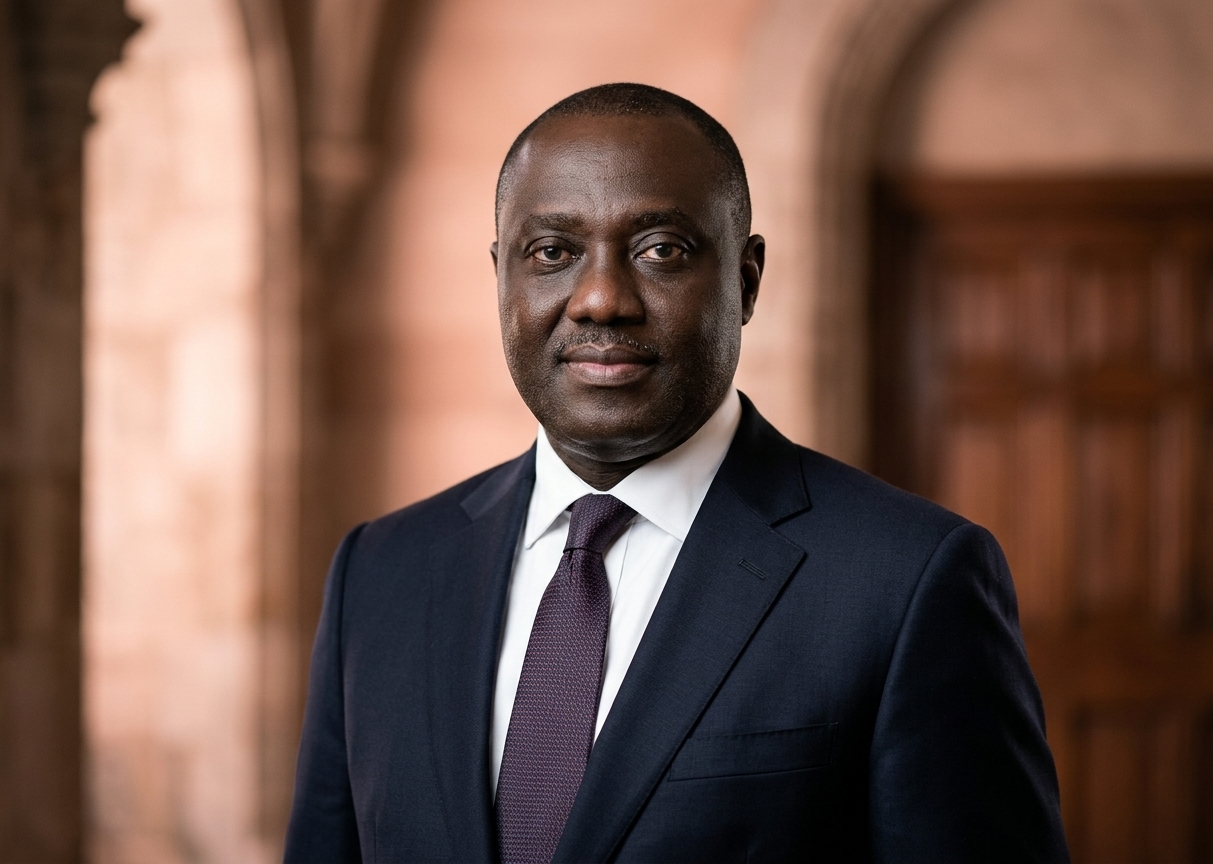
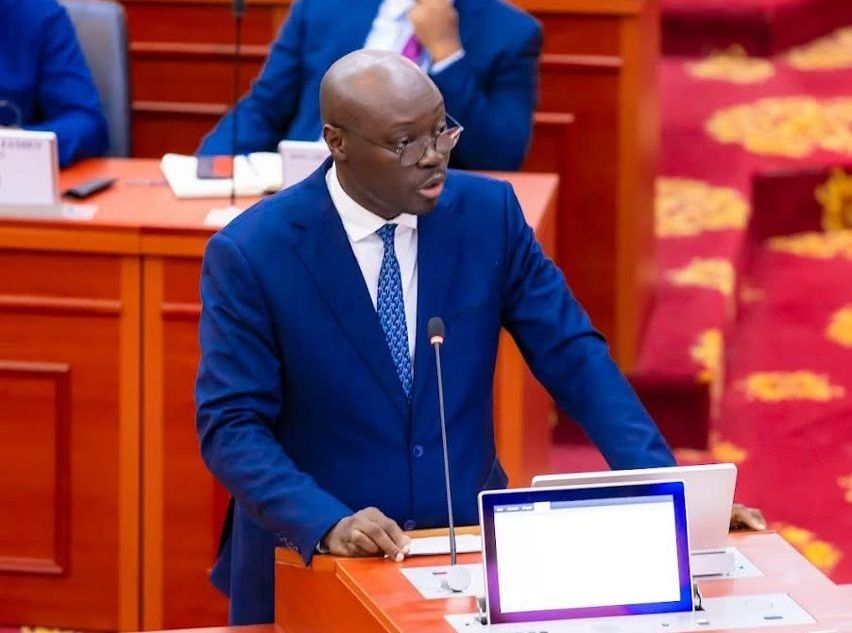
Editorial Summary: Charles Bissue, former Secretary of Ghana’s now-defunct Inter-Ministerial Committee on Illegal Mining (IMCIM), and his alleged accomplice Andy Thomas Owusu, have been hit with 15 criminal charges by the Office of the Special Prosecutor. The charges stem from allegations that Bissue accepted bribes totaling GH₵35,000 to expedite mining license renewals, with Owusu acting as the middleman. This high-profile case underscores the government’s intensified efforts to combat corruption in the mining sector
Detailed News: The Office of the Special Prosecutor (OSP) has filed criminal charges against Charles Bissue, former Secretary of the now-defunct Inter-Ministerial Committee on Illegal Mining (IMCIM), and Andy Thomas Owusu. The two face a total of 15 counts related to corruption and abuse of public office in connection with a mining license scandal.
According to a charge sheet signed by the OSP’s Director of Prosecutions, Charles Bissue is accused of using his public office for personal gain by allegedly accepting GHS 35,000 in bribes from Benjamin Adjapong, a representative of ORR Resources Enterprise. The payments were allegedly made in three tranches, GHS 15,000 on January 22, 2019, GHS 10,000 on January 30, and another GHS 10,000 on February 8, 2019. In addition to the charges for abusing his office contrary to section 179C(a) of the Criminal Offences Act, 1960 (Act 29), Bissue also faces three counts of corruption as a public officer under section 239 of the same Act.
The OSP’s investigation reveals that Bissue, as Secretary of the IMCIM, was responsible for verifying small-scale mining companies and granting licenses to qualified applicants. It is alleged that he sidestepped these procedures in exchange for the bribes received.
Andy Owusu, his associate, faces nine counts, including aiding and abetting Bissue to corruptly abuse his office, corrupting a public officer, and accepting bribes to influence Bissue’s official conduct. Owusu allegedly received GHS 5,000 in three separate tranches from Adjapong to facilitate the renewal of ORR Resources Enterprise’s expired license without proper documentation.
As with all criminal charges, the burden rests on the OSP to prove the allegations beyond a reasonable doubt. If convicted, the accused persons could face significant fines and custodial sentences, with some charges carrying potential jail terms of up to 25 years.
Background
The IMCIM was set up in March 2020 under former President Nana Akufo-Addo to address the growing menace of illegal small-scale mining, popularly known as galamsey. Its mandate included verifying registered small-scale mining companies, correcting regulatory gaps, and streamlining the industry.
As part of its work, the Committee developed a roadmap to vet suspended mining entities and allow properly verified companies to resume operations. However, in January 2021, allegations of corruption surrounding the Committee, including reports that mining permits were being granted improperly, led to its dissolution.
Interest in the case heightened following the release of an investigative documentary by Tiger Eye PI, led by Anas Aremeyaw Anas, which captured footage of Charles Bissue allegedly facilitating the licensing of mining companies without due process. Following this exposé, the OSP initiated a detailed investigation, which has now culminated in the formal charges against Bissue and Owusu.
Last Updated on March 14, 2026 by Samuel Kwame Boadu
Disclaimer: Some content on Accra Street Journal may be aggregated, summarized, or edited from third-party sources for informational purposes. Images and media are used under fair use or royalty-free licenses. Accra Street Journal is a subsidiary of SamBoad Publishing Hub under SamBoad Business Group Ltd, registered in Ghana since 2014.

For concerns or inquiries, please visit our Privacy Policy or Contact Page.

Samuel Kwame Boadu is a Ghanaian media entrepreneur and storyteller with a passion for amplifying urban voices and uncovering everyday truths. He is the Editor-in-Chief and Founder of Accra Street Journal, a dynamic digital platform dedicated to capturing the pulse of Ghana’s capital—its people, culture, challenges, business, sports and innovations.

Use the following reference when citing or referencing this article.
Your feedback helps us improve our journalism.
Report an Error
Help us maintain accuracy. Let our editorial team know if you spot an issue in this article.
Report a problem with this article