






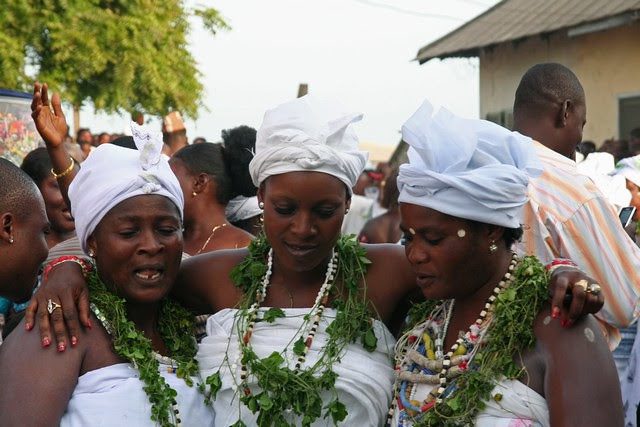
Accra is not only Ghana’s capital city but also the spiritual and cultural heartland of the Ga people, the indigenous inhabitants of the coastal plains surrounding the city. Beneath the modern skyline of ministries, markets, and business districts lies a deeply rooted cultural system that continues to shape identity, governance, and social life. Central to this system are Ga traditional ceremonies, which preserve history, reinforce communal values, and connect present generations to their ancestors.
These ceremonies are not relics of the past. They remain active, respected, and influential in modern Accra, guiding social conduct, traditional authority, and spiritual observance across Ga communities such as Ga Mashie, Osu, La, Teshie, Nungua, Tema, and surrounding towns.

The Cultural Foundation of Ga Ceremonial Life
Ga traditional ceremonies are grounded in the Ga worldview, which places strong emphasis on ancestral reverence, family lineage, land stewardship, and spiritual balance. The Ga people believe that the living coexist with the ancestors, and ceremonies serve as channels through which communication and harmony are maintained.
📢 GET A DETAILED ARTICLES + JOBS
Join ASJ's WhatsApp Channel and never miss a post or opportunity.

Traditional priests (Wulɔmei), chiefs (Mantsemei), clan heads, and elders play key roles in these ceremonies, ensuring continuity and adherence to custom. Drumming, libation, ritual food, sacred objects, and symbolic colours are central elements used to convey meaning and authority.
Homowo Festival: The Most Prominent Ga Ceremony
Homowo Festival
The Homowo Festival is the most widely recognised and culturally significant Ga traditional ceremony in Accra. Celebrated annually, Homowo commemorates a historic famine endured by the Ga people and the eventual triumph over hunger. The name Homowo literally means “hooting at hunger.”
The festival begins with a ban on drumming and noise-making, imposed several weeks before the main celebration. This period encourages reflection, discipline, and respect for tradition. The ban also signals preparation for planting and harvesting, linking the ceremony directly to agricultural cycles.
During the festival, traditional leaders sprinkle kpokpoi (a ritual food made from cornmeal and palm oil) throughout the community and at ancestral shrines. This act symbolizes thanksgiving, remembrance, and the blessing of the land and people.
Homowo is celebrated across Ga towns in Accra, including Ga Mashie, Osu, La, Teshie, Nungua, and Tema, each with unique variations while maintaining core rituals.
Odadaa Festival: Remembering the Dead
Odadaa (Odadao) Festival
The Odadaa Festival is another important Ga ceremony dedicated to honouring the dead. It is observed primarily to remember family members and ancestors who passed away during the previous year.
During Odadaa, families gather to clean ancestral homes, perform libation, and offer food and drink to departed relatives. Traditional drumming and solemn processions mark the occasion, reflecting respect rather than celebration.
This ceremony reinforces the Ga belief that death does not sever ties between the living and the ancestors. Instead, it transforms the relationship into one of spiritual guardianship and guidance.
Asafotufiam Festival: Warrior Heritage and Discipline
Asafotufiam Festival
Although most strongly associated with Ada, the Asafotufiam Festival is also recognised among Ga-Dangme communities connected to Accra. The ceremony honours ancestral warriors and commemorates historic battles fought to protect land and sovereignty.
Asafotufiam involves ritual reenactments, musket firing, drumming, and colourful displays by warrior groups known as Asafo companies. Chiefs, elders, and youth groups participate, symbolising bravery, unity, and readiness to defend the community.
In modern Accra, Asafotufiam serves as a reminder of indigenous governance systems and the military traditions that existed long before colonial rule.
Dipo Rite: Transition into Womanhood
Dipo Ceremony
The Dipo Rite is a traditional puberty ceremony observed among Ga-Dangme groups, including communities connected to Greater Accra. The rite marks the transition of young girls into womanhood and prepares them for adult responsibilities.
Girls undergoing Dipo are guided through stages of instruction, ritual cleansing, and symbolic adornment. Elders educate them on morality, marriage, family values, and community expectations.
While modern influences have reshaped the scale of Dipo ceremonies, many Ga families continue to observe them privately or in modified forms, preserving their core cultural meaning.
Enstoolment and Installations of Chiefs
Chief Installation Ceremonies
The installation of a Ga Mantse (paramount chief) or divisional chief is one of the most sacred traditional ceremonies in Accra. These rituals involve ancestral consultation, oath-taking, purification rites, and public affirmation.
During enstoolment ceremonies, traditional regalia, sacred stools, drums, and linguists play central roles. The chief is formally introduced as both a political leader and spiritual custodian of the land.
These ceremonies reinforce indigenous governance structures that continue to coexist with Ghana’s modern political system.
Libation and Shrine Rituals
Libation Ceremonies
Libation is one of the most frequent and enduring Ga traditional practices. It is performed during festivals, family gatherings, land matters, and major decisions. Alcohol or water is poured while prayers are offered to ancestors and deities.
Shrine rituals conducted by Wulɔmei involve purification, protection, and spiritual balance. Sacred sites across Accra, including coastal and ancestral locations, remain active centres of traditional worship.
The Role of Music and Dance in Ga Ceremonies
Drumming and dancing are inseparable from Ga ceremonies. Traditional rhythms such as Kpanlogo, Gome, and Adowa accompany festivals and rites, each carrying symbolic messages.
Drums act as communication tools, announcing ceremonies, honouring chiefs, and narrating history. Dance movements often reflect social roles, spiritual themes, and communal unity.
Preservation of Ga Ceremonial Heritage in Modern Accra
Despite urbanisation, Ga traditional ceremonies remain resilient. Families, traditional councils, and cultural groups actively preserve customs through:
-
Oral history transmission
-
Community festivals
-
Traditional councils and palaces
-
Cultural education for youth
-
Integration of tradition into civic life
These efforts ensure that Ga identity remains visible and respected within a rapidly evolving city.
FAQs
Who are the Ga people of Accra?
The Ga are the indigenous ethnic group of Accra and surrounding coastal areas in Greater Accra Region.
What is the most important Ga festival?
The Homowo Festival is the most significant Ga traditional ceremony, symbolising victory over famine.
Why is drumming banned before Homowo?
The ban promotes discipline, reflection, and spiritual preparation before the main festival.
Are Ga traditional ceremonies still practised today?
Yes, they remain actively practised across Accra, often alongside modern lifestyles.
Do Ga ceremonies influence governance?
Yes, traditional authority and ceremonial practices continue to shape leadership and land stewardship.
– ASJ
Last Updated on February 7, 2026 by Samuel Kwame Boadu
Disclaimer: Some content on Accra Street Journal may be aggregated, summarized, or edited from third-party sources for informational purposes. Images and media are used under fair use or royalty-free licenses. Accra Street Journal is a subsidiary of SamBoad Publishing Hub under SamBoad Business Group Ltd, registered in Ghana since 2014.
For concerns or inquiries, please visit our Privacy Policy or Contact Page.

Samuel Kwame Boadu is a Ghanaian media entrepreneur and storyteller with a passion for amplifying urban voices and uncovering everyday truths. He is the Editor-in-Chief and Founder of Accra Street Journal, a dynamic digital platform dedicated to capturing the pulse of Ghana’s capital—its people, culture, challenges, business, sports and innovations.