







The Ga people are the original settlers of Accra, the bustling capital of Ghana. Their history, traditions, and cultural influence are deeply woven into the fabric of the city, shaping its identity and development. From their migration to the Homowo festival, the Ga people have left an indelible mark on Accra’s landscape. This article delves into their rich heritage, language, customs, and lasting impact on modern-day Accra.

The Origins and History of the Ga People

The Ga people trace their ancestry to various regions, including present-day Nigeria and Benin. Historical records suggest that they migrated along the West African coast before settling in what is now Accra in the 16th century. Their choice of settlement was influenced by their seafaring lifestyle and the availability of fertile land for fishing and farming.
During the colonial period, the Ga communities played a significant role in trade, especially in commerce with European merchants. The Portuguese, Dutch, and British all had trading posts in Ga lands, further establishing Accra as a vital economic hub.
📢 GET A DETAILED ARTICLES + JOBS
Join ASJ's WhatsApp Channel and never miss a post or opportunity.
Homowo: The Festival That Defines Ga Identity

The most iconic cultural celebration of the Ga people is the Homowo Festival, which means “hooting at hunger.” This festival commemorates a historic famine that plagued the Ga during their early settlement and celebrates their eventual triumph over food scarcity. The Homowo festival is marked by vibrant processions, traditional drumming, dance performances, and the sprinkling of kpokpoi, a special festival dish, across Ga communities as a symbolic gesture of abundance and gratitude.
Homowo is not just a cultural event but also a unifying occasion for Ga communities worldwide. It attracts thousands of locals and tourists who come to witness the spectacle and partake in the rich traditions of the Ga people.
The Ga Language and Its Influence
The Ga language, one of the major indigenous languages in Ghana, is widely spoken in Accra and its surrounding areas. It belongs to the Kwa language group and has a rich oral tradition, with proverbs and folklore playing a crucial role in passing down knowledge from generation to generation.
Despite the influence of English and Twi, Ga remains an important linguistic marker of identity. The language is embedded in everyday communication, market transactions, and religious practices.
Ga Architecture and Settlement Patterns
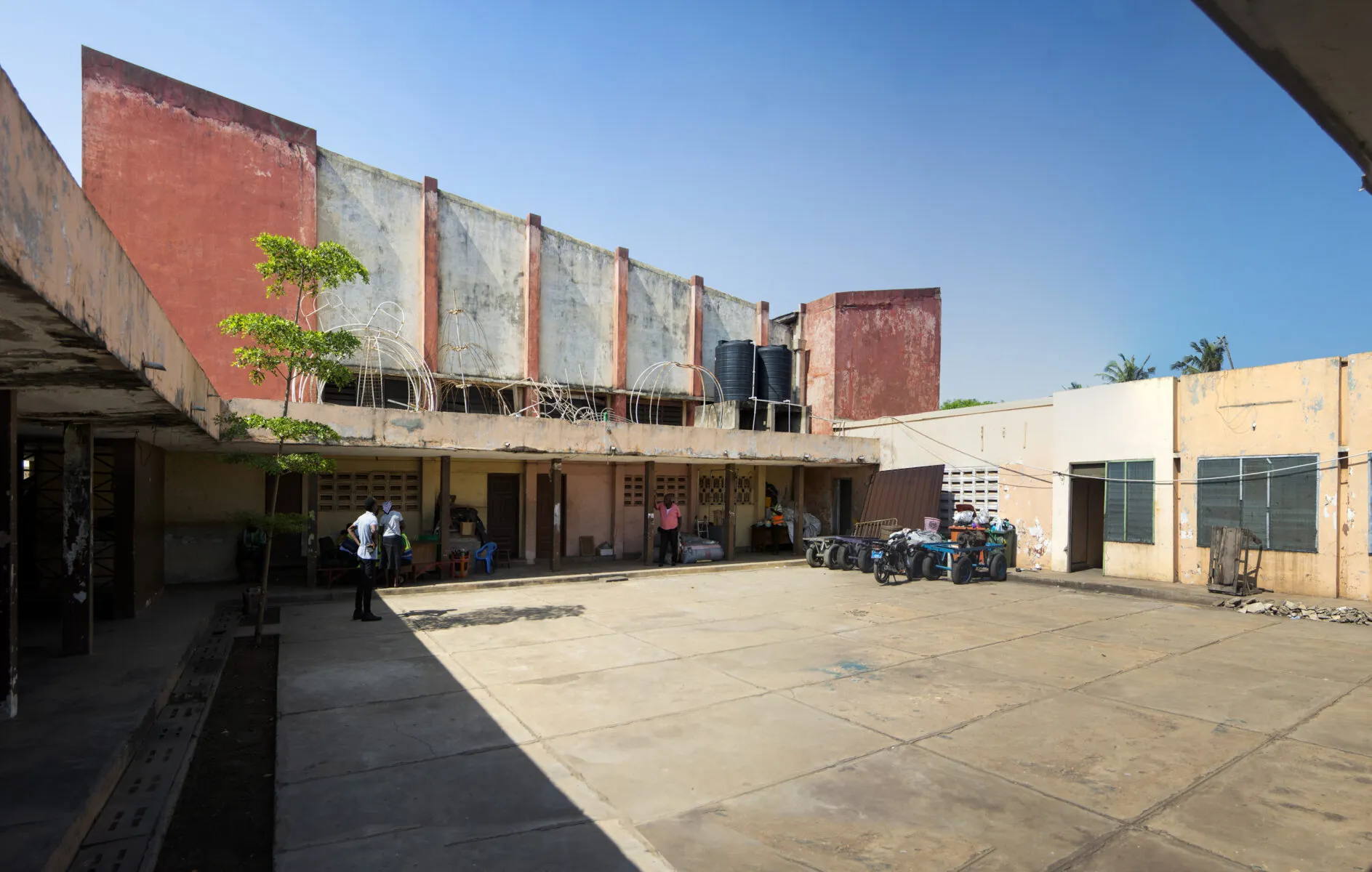
The traditional architecture of Ga communities is distinct, with compound houses forming the backbone of their settlements. These houses accommodate extended families and foster a strong sense of community living. James Town and Ussher Town, two of Accra’s oldest districts, still retain some of these traditional architectural features, reflecting the deep historical presence of the Ga people.
Additionally, Accra’s coastline is dotted with forts and castles that served as trading posts during the colonial era. Many of these structures, such as Ussher Fort and James Fort, stand as historical monuments, bearing witness to the city’s past.
The Ga Influence on Accra’s Modern Culture
The Ga people have significantly shaped Accra’s contemporary culture. Their traditions influence the city’s music, fashion, and street food. Popular dishes like kenkey and fish, a staple among locals, originate from Ga cuisine and are enjoyed by people across Ghana.
Furthermore, Ga traditional music and drumming, characterized by percussive beats and rhythmic dance, continue to influence Ghanaian highlife and hiplife music genres. Cultural symbols and motifs from Ga heritage are also prominent in modern Ghanaian art and fashion.
Challenges and Preservation Efforts
Like many indigenous groups in urban settings, the Ga people face challenges in preserving their heritage due to rapid urbanization, land disputes, and migration. Many of their traditional lands have been developed into commercial properties, leading to concerns about displacement and loss of cultural identity.
However, several initiatives aim to preserve Ga culture, including language revitalization programs, cultural festivals, and the documentation of oral histories. Institutions like the Ga Dangme Council advocate for the protection of Ga heritage and promote initiatives that keep Ga traditions alive.
Accra Street Journal’s Take:
The Ga people are the heart and soul of Accra. Their historical resilience, cultural vibrancy, and deep-rooted traditions continue to shape the identity of Ghana’s capital. From their early settlements to their present-day influence, the Ga legacy is one of strength, innovation, and unity. As Accra modernizes, efforts must be made to ensure that the cultural contributions of its original inhabitants are not lost but celebrated and preserved for future generations.
Last Updated on February 27, 2025 by Samuel Kwame Boadu
Disclaimer: Some content on Accra Street Journal may be aggregated, summarized, or edited from third-party sources for informational purposes. Images and media are used under fair use or royalty-free licenses. Accra Street Journal is a subsidiary of SamBoad Publishing Hub under SamBoad Business Group Ltd, registered in Ghana since 2014.
For concerns or inquiries, please visit our Privacy Policy or Contact Page.

Samuel Kwame Boadu is a Ghanaian media entrepreneur and storyteller with a passion for amplifying urban voices and uncovering everyday truths. He is the Editor-in-Chief and Founder of Accra Street Journal, a dynamic digital platform dedicated to capturing the pulse of Ghana’s capital—its people, culture, challenges, business, sports and innovations.