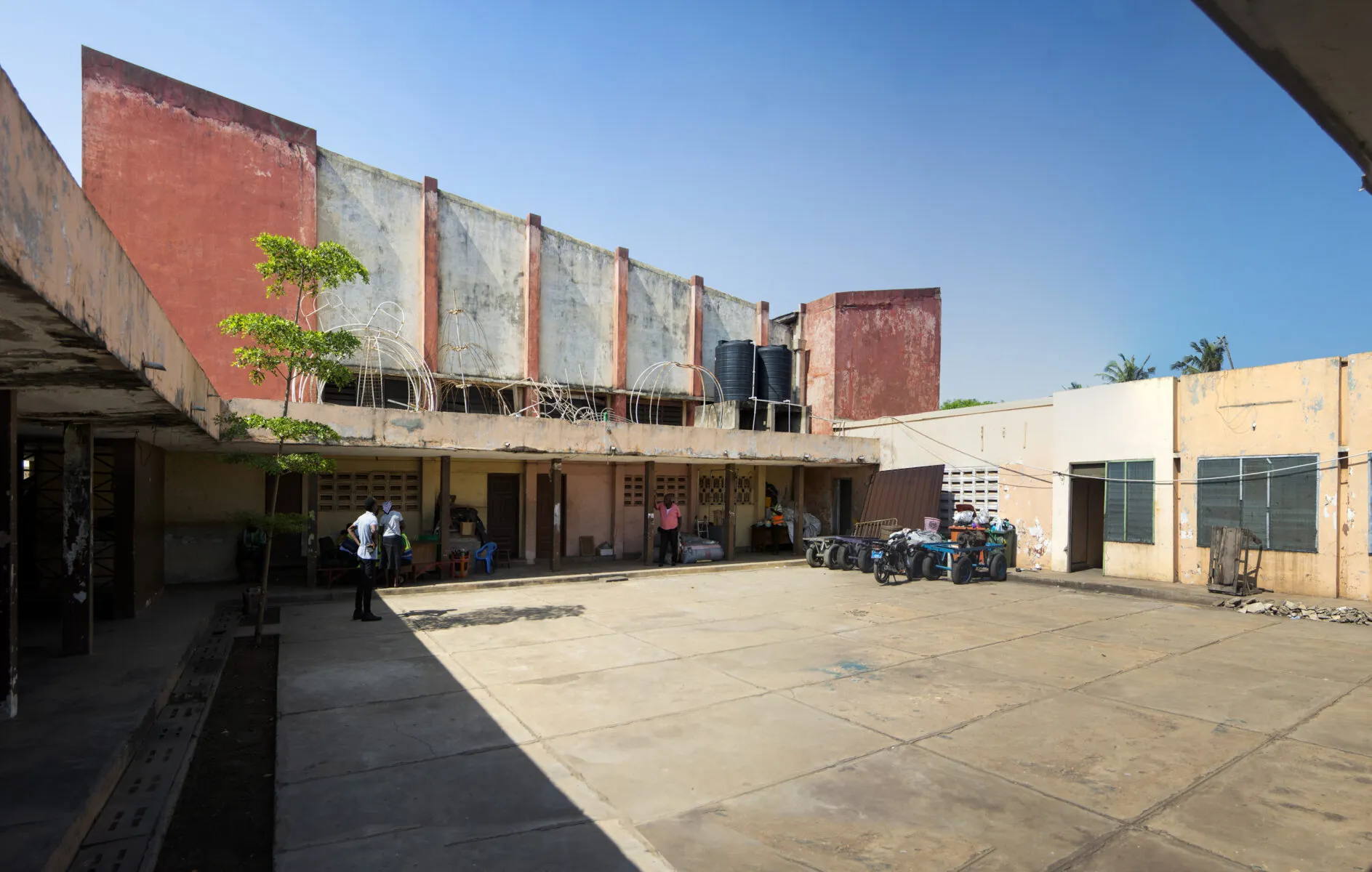







Makola Market, the beating heart of Accra’s commercial landscape, has been a thriving economic hub for over a century. Established in 1924, this market has witnessed the evolution of Ghana’s trade, culture, and resilience. From its colonial-era roots to its role in modern-day commerce, Makola Market has stood as a symbol of entrepreneurial spirit, cultural vibrancy, and economic empowerment.
The Birth of Makola Market
Makola Market was established by British colonial authorities in response to Accra’s growing trade demands. Initially, it was a structured marketplace designed to centralize commerce and facilitate trade between locals and foreign merchants. Women traders, popularly known as “market mammas,” played a crucial role in shaping its early success, dominating the trade of textiles, foodstuffs, and household goods.

A Marketplace Defined by Women Entrepreneurs
One of the most remarkable aspects of Makola Market is its historical dominance by women traders. These industrious women, often forming trade associations, have controlled significant portions of Ghana’s informal economy for generations. Their entrepreneurial acumen has not only sustained families but also fueled local and national economic growth.
📢 GET A DETAILED ARTICLES + JOBS
Join ASJ's WhatsApp Channel and never miss a post or opportunity.

The 1979 Demolition and Market Resilience
Makola Market has endured several challenges, the most infamous being its demolition in 1979 by the Armed Forces Revolutionary Council (AFRC) under the leadership of Jerry John Rawlings. The AFRC claimed the market was fostering price inflation and economic manipulation. The demolition, however, did not suppress the resilient traders, who quickly rebuilt and continued their businesses.
Makola in the Modern Era
Today, Makola Market is a bustling center of commerce, offering a wide range of goods, from fresh produce and textiles to electronics and beauty products. Despite urbanization challenges such as congestion and sanitation issues, the market remains a crucial pillar of Accra’s economy. Digital advancements have also introduced new ways for traders to engage in e-commerce, expanding their customer base beyond Ghana.
The Future of Makola Market
With the rapid development of Accra and the rise of shopping malls, questions have emerged about the future of Makola Market. However, its deep-rooted cultural significance, historical resilience, and continued role as an economic powerhouse suggest that it will remain relevant for decades to come. Government initiatives aimed at infrastructure improvement and better market regulation may further strengthen its position as Ghana’s premier trading hub.
Our Take:
Makola Market is more than just a place of trade; it is a historical landmark, a cultural institution, and a testament to the resilience of Ghanaian entrepreneurship. As it continues to evolve, it remains a symbol of Accra’s economic heartbeat, embodying the strength, creativity, and tenacity of its people.
Would you like to explore specific personal stories from traders, archival images, or more detailed historical insights for this piece?
Last Updated on June 1, 2025 by Samuel Kwame Boadu
Disclaimer: Some content on Accra Street Journal may be aggregated, summarized, or edited from third-party sources for informational purposes. Images and media are used under fair use or royalty-free licenses. Accra Street Journal is a subsidiary of SamBoad Publishing Hub under SamBoad Business Group Ltd, registered in Ghana since 2014.
For concerns or inquiries, please visit our Privacy Policy or Contact Page.

Samuel Kwame Boadu is a Ghanaian media entrepreneur and storyteller with a passion for amplifying urban voices and uncovering everyday truths. He is the Editor-in-Chief and Founder of Accra Street Journal, a dynamic digital platform dedicated to capturing the pulse of Ghana’s capital—its people, culture, challenges, business, sports and innovations.