










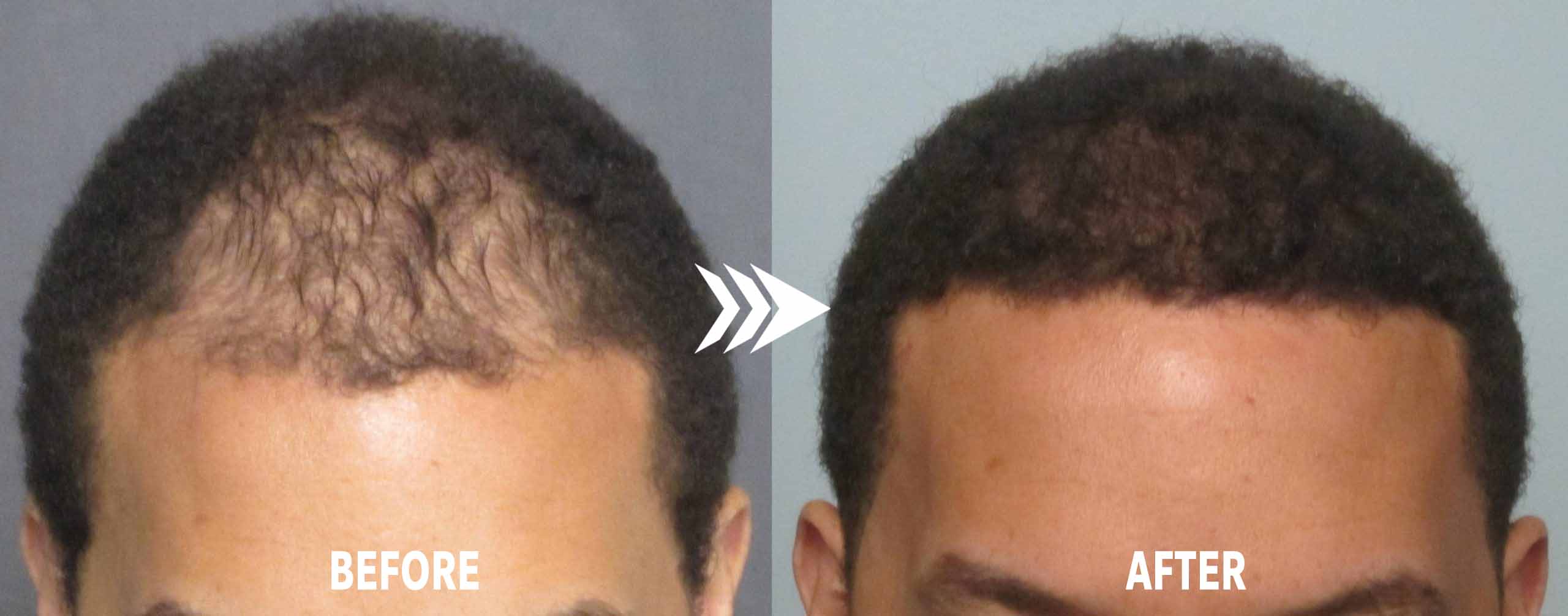
Over the past decade, cosmetic medicine has moved from being a luxury reserved for global elites to a rapidly expanding sector across emerging markets. In Ghana, one of the fastest-growing segments within private healthcare is hair restoration. What was once considered a niche or taboo procedure is now becoming mainstream, particularly among professionals, entrepreneurs, and public figures.
The rise of hair transplant clinics in Accra like Anasin Clinic and other major cities reflects broader shifts in consumer confidence, disposable income, medical infrastructure, and societal attitudes toward aesthetics. This trend is not merely cosmetic; it signals the commercialization of specialized healthcare and the evolution of Ghana’s private medical sector.

Changing Perceptions Around Hair Loss
Hair loss has long carried psychological and social weight. In many African societies, full hair symbolizes youth, strength, and vitality. For men especially, baldness has often been associated with aging, stress, or hereditary inevitability. However, modern medical advancements have reframed hair loss from an irreversible condition to a treatable one.
📢 GET A DETAILED ARTICLES + JOBS
Join ASJ's WhatsApp Channel and never miss a post or opportunity.

Younger demographics are now more proactive. Social media exposure, celebrity influence, and global access to information have normalized hair restoration procedures. Conversations that were once private are increasingly public. As stigma declines, demand rises.
The perception shift is critical: hair transplants are no longer viewed as extreme cosmetic surgery but as routine aesthetic enhancement—similar to orthodontics or skincare treatments.

The Business Case for Hair Transplant Clinics
From an investment perspective, hair transplant services offer attractive economics:
-
High Margin Procedures – Compared to general healthcare services, aesthetic treatments typically command higher margins.
-
Out-of-Pocket Payments – Most procedures are privately financed, reducing reliance on insurance reimbursement.
-
Repeat Client Potential – Post-surgery care, PRP therapy, and related treatments generate ongoing revenue.
-
Low Inventory Risk – The primary inputs are expertise and equipment rather than heavy pharmaceutical stock.
The result is a scalable, private-pay medical business model. As middle-class growth continues and entrepreneurship expands, the willingness to invest in personal appearance has grown alongside it.
Technology and Medical Advancements
Modern hair transplant techniques have significantly improved results. The most common methods now include:
-
FUE (Follicular Unit Extraction) – Individual hair follicles are extracted and transplanted.
-
FUT (Follicular Unit Transplantation) – A strip of scalp is removed and dissected into grafts.
-
PRP Therapy (Platelet-Rich Plasma) – Used to stimulate hair growth and improve transplant outcomes.
FUE, in particular, has become the preferred method due to minimal scarring and faster recovery time. As Ghanaian clinics acquire advanced equipment and specialized training, the technical gap between local providers and international clinics continues to narrow.
This technological improvement is central to industry growth. Patients who previously traveled abroad for procedures are increasingly choosing local options.
The Cost Advantage and Medical Tourism
Historically, Ghanaians seeking hair restoration traveled to Turkey, India, or Europe—destinations known for affordable cosmetic surgery. However, travel expenses, visa costs, accommodation, and time away from work significantly increased the total expenditure.
Local clinics like Anasin Clinic amongst the few ones now offer competitive pricing compared to international alternatives, without the logistical complications. While prices vary based on graft count and clinic reputation, the ability to undergo the procedure locally reduces total cost and enhances convenience.
This shift opens another opportunity: regional medical tourism. If Ghana continues to develop expertise and maintain high standards, it could attract patients from neighboring West African countries.
Who Is Driving Demand?
The typical profile of hair transplant clients in Ghana includes:

-
Corporate professionals
-
Politicians
Interestingly, the age demographic has expanded. While middle-aged men remain the largest segment, younger men in their late 20s and early 30s are increasingly seeking preventive solutions.
Female hair restoration services are also emerging, particularly for traction alopecia—a common condition in African women caused by tight braiding and styling practices.
Regulatory and Quality Considerations
As with any fast-growing medical niche, regulation and quality assurance are essential. The rise of new clinics increases competition but also raises concerns about:
-
Practitioner qualifications
-
Sterilization standards
-
Transparency in pricing
-
Post-operative care
Sustained growth will depend on maintaining professional standards. Poor outcomes in even a few high-profile cases could damage public trust.
For the sector to mature sustainably, clear oversight, licensing enforcement, and continuous medical training are necessary.
Economic Implications for Ghana’s Healthcare Sector
The expansion of cosmetic medicine reflects broader economic themes:
-
Healthcare Privatization – Private capital is increasingly shaping specialized medical services.
-
Entrepreneurial Doctors – Medical professionals are building independent brands and clinics.
-
Technology Adoption – Specialized equipment imports contribute to medical infrastructure growth.
-
Employment Creation – Clinics generate jobs for nurses, technicians, administrative staff, and marketing teams.
Beyond aesthetics, the growth of hair transplant clinics demonstrates the diversification of Ghana’s healthcare industry into specialized, high-value services.
Cultural Impact and Social Media Influence
Social media platforms have amplified awareness dramatically. Influencers openly document their procedures, before-and-after transformations, and recovery experiences. This transparency reduces fear and uncertainty.
The normalization effect cannot be underestimated. Once public figures openly discuss hair restoration, it transforms perception from vanity to self-care.
Additionally, increased digital marketing by clinics—through educational content and testimonials—has accelerated demand.
Risks and Sustainability
While the industry is growing, it is not without risk. Economic downturns can reduce discretionary spending, and aesthetic procedures are often among the first expenses consumers cut during financial stress.

Moreover, rapid market entry by inexperienced operators could create quality disparities.
Long-term sustainability will depend on:
-
Maintaining medical excellence
-
Building brand trust
-
Offering transparent pricing
-
Managing patient expectations
Clinics that prioritize medical integrity over aggressive marketing are more likely to endure.
A Sign of a Broader Shift
The rise of hair transplant clinics in Ghana reflects more than cosmetic preference. It signals:
-
Increased consumer purchasing power
-
Growing comfort with medical aesthetics
-
Expansion of specialized private healthcare
-
Integration of global medical trends into local markets
As disposable income rises and aesthetic consciousness grows, hair restoration is likely to become a stable component of Ghana’s private healthcare ecosystem.
This is not a temporary trend. It is part of a structural shift toward specialized, elective medical services.
FAQs
1. How much does a hair transplant cost in Ghana?
Costs vary depending on graft count, clinic reputation, and technique used. Pricing typically ranges based on complexity, with higher graft numbers increasing total cost.
2. Is hair transplant surgery safe?
When performed by qualified medical professionals in licensed facilities, hair transplant procedures are generally safe. Risks are minimized through proper sterilization and aftercare.
3. How long does recovery take?
Most patients resume normal activities within a few days, though full hair growth results can take several months.
4. Are hair transplants permanent?
Transplanted hair follicles are usually permanent because they are taken from areas resistant to hair loss. However, natural aging may still affect surrounding hair.
5. Is the industry growing in Ghana?
Yes. Rising awareness, improved technology, and increasing disposable income are driving steady growth in cosmetic medical services, including hair restoration.
Source: Accra Street Journal
Last Updated on March 1, 2026 by Samuel Kwame Boadu
Disclaimer: Some content on Accra Street Journal may be aggregated, summarized, or edited from third-party sources for informational purposes. Images and media are used under fair use or royalty-free licenses. Accra Street Journal is a subsidiary of SamBoad Publishing Hub under SamBoad Business Group Ltd, registered in Ghana since 2014.
For concerns or inquiries, please visit our Privacy Policy or Contact Page.

Samuel Kwame Boadu is a Ghanaian media entrepreneur and storyteller with a passion for amplifying urban voices and uncovering everyday truths. He is the Editor-in-Chief and Founder of Accra Street Journal, a dynamic digital platform dedicated to capturing the pulse of Ghana’s capital—its people, culture, challenges, business, sports and innovations.





