
6 min read
The rumble of combustion engines has long been the soundtrack of Ghana’s roads—but change is quietly accelerating. From Accra to Kumasi, Takoradi to Tamale, electric vehicles (EVs) are beginning to appear more frequently on city streets, residential estates, and charging stops. For many Ghanaians, this shift represents more than a new type of vehicle: it signals a transformation in how the country thinks about energy, transportation, and urban life.
According to Accra Street Journal, the growth of electric vehicles in Ghana is part of a broader shift toward cleaner mobility—one that intersects with climate commitments, rising urban congestion, fluctuating fuel prices, and the aspirations of a young, tech-savvy population. While adoption remains early, several trends suggest Ghana may be on the cusp of a transportation renaissance.
Key Takeaways
- From Accra to Kumasi, Takoradi to Tamale, electric vehicles (EVs) are beginning to appear more frequently on city streets, residential estates, and charging stops.
- Rising Fuel Costs and Economic PressuresFrequent fluctuations in global oil prices hit Ghana’s drivers hard, especially public transport operators and delivery fleets.
- The growth of electric vehicles in Ghana reflects a broader shift toward sustainable, cost-efficient, and technology-driven transportation.
Why Electric Vehicles Are Gaining Attention in Ghana
There are several factors driving interest in EVs:
1. Rising Fuel Costs and Economic Pressures
Frequent fluctuations in global oil prices hit Ghana’s drivers hard, especially public transport operators and delivery fleets. Electric vehicles offer the promise of lower operating costs since electricity can be more predictable in price than fossil fuels.
2. Environmental and Health Considerations
Air quality challenges in Accra and other cities make EVs attractive for their zero tailpipe emissions, contributing to cleaner urban air and reduced greenhouse gas emissions.
3. Youthful Market and Tech Adoption
A growing number of young professionals and entrepreneurs in Accra are interested in innovative, future-oriented technologies. EVs align with this mindset and appeal to early adopters who see electric mobility as both modern and practical.
Early Adoption: Who’s Buying EVs in Ghana?
EV ownership in Ghana today is led by several groups:
-
Urban Professionals — individuals seeking efficient daily commuter vehicles with lower long-term costs.
-
Corporate Fleets — logistics and delivery companies exploring EVs to cut operational expenses.
-
Ride-Hailing Drivers — some drivers operating with apps are piloting EVs for cost efficiency.
-
Government and Institutional Pilots — early government purchases for testing public sector use.
Adoption remains modest compared to traditional vehicles, but interest and inquiries are rising, particularly in Accra’s tech and business communities.
Charging Infrastructure: Building the Backbone
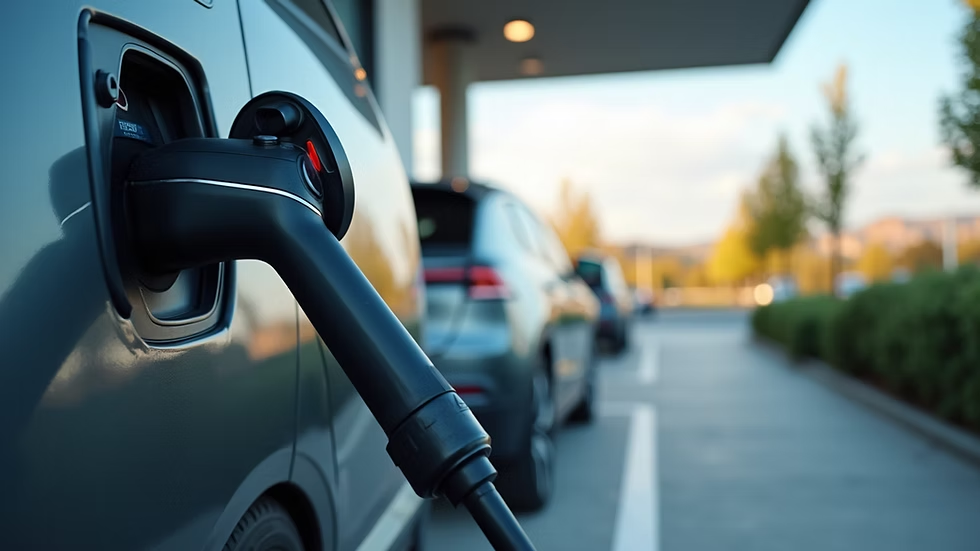
One of the biggest determinants of EV growth is charging infrastructure. Currently, Ghana’s EV charging landscape includes:
-
Private charging points at homes and offices
-
A handful of public charging stations in Accra
-
Pilot installations by private energy firms
The limited number of public chargers remains a constraint, especially for longer intercity travel. However, several energy and mobility companies are reportedly planning to expand charging networks, especially along major corridors linking Accra with Kumasi and Cape Coast.
Infrastructure development is crucial—not only for convenience but for reducing range anxiety, the fear that an EV will run out of charge before reaching a station.

Policy Signals and Government Interest
Recognizing the potential benefits of EV adoption, Ghana’s government has begun signaling support, including:
-
Disciplined tariff discussions to promote cleaner transportation
-
Pilot incentives for early EV adopters
-
Inclusion of EV infrastructure goals in broader climate and energy planning
These moves align with Ghana’s broader climate commitments under international agreements and national sustainability strategies. Institutional clarity on incentives—such as tax breaks or import duty adjustments for EVs—could significantly accelerate growth.

Economic and Environmental Impacts
The increased use of EVs in Ghana could have several positive effects:
Economic
-
Reduced fuel import costs, buffering national reserves.
-
Lower operating expenses for commuters and businesses.
-
New jobs in EV maintenance, charging infrastructure, and supply chains.
Environmental
-
Lower greenhouse gas emissions in urban areas.
-
Improved air quality, reducing health risks associated with pollution.
-
Progress toward national climate goals.
These benefits extend beyond simple vehicle ownership to national development outcomes.
Barriers to Faster Growth
Despite its promise, EV adoption in Ghana faces obstacles:
-
Upfront purchase costs remain high for many consumers.
-
Limited public charging infrastructure restricts confidence for long trips.
-
Technical skills gap for EV repair and maintenance.
-
Imported used EVs lack consistent standards, placing strain on battery life and service.
Addressing these challenges will require multi-stakeholder coordination among government agencies, private energy companies, automobile distributors, and training institutions.
Stories From the Road: Early EV Users in Accra
In Accra’s tech and business circles, EV ownership is more than a trend—it’s a symbol of a future-ready lifestyle. Entrepreneurs, freelancers, and some delivery operators report that their EVs cost less to “fuel” and maintain compared with conventional vehicles. Charging at home overnight, in some cases, has reduced daily commuting costs significantly.
Early adopters also highlight the quiet running and smooth ride quality of electric vehicles as welcome changes from traditional engines, especially in congested urban settings.
What the Future Could Look Like
If current momentum continues:
-
Charging networks could expand beyond major cities.
-
Affordable EV models could arrive through policy support and market competition.
-
Electric public transport pilots may emerge in Accra’s bus and transit systems.
-
Local skills training in EV maintenance could create new workforce opportunities.
In such a future, electric vehicles would shift from niche to mainstream—helping Ghana leapfrog to cleaner, more efficient transportation.
Conclusion Form ASJ
The growth of electric vehicles in Ghana reflects a broader shift toward sustainable, cost-efficient, and technology-driven transportation. While adoption is still emerging, early signals suggest that electric mobility could become a defining feature of Ghana’s transport landscape—especially in urban centres like Accra where traffic, emissions, and fuel costs are constant concerns.
By developing infrastructure, supporting early adopters, and aligning policies with long-term development goals, Ghana could harness electric vehicles not just as an eco-trend, but as a strategic pathway to economic resilience and environmental stewardship.

Frequently Asked Questions (FAQs)
Are electric vehicles legal in Ghana?
Yes. EVs can be imported and registered like other vehicles.
Are there EV charging stations in Accra?
A small number exist, with expansion underway.
Do EVs cost less to run than petrol cars?
Generally, yes — especially when charging from home or off-peak electricity rates.
Is there government support for EV adoption?
Policy interest is growing, though clear incentives are still developing.
Can EVs be used for long-distance travel in Ghana?
Currently, limited charging infrastructure makes long trips challenging but improving.
Source: Accra Street Journal
Last Updated on February 11, 2026 by Samuel Kwame Boadu
Disclaimer: Some content on Accra Street Journal may be aggregated, summarized, or edited from third-party sources for informational purposes. Images and media are used under fair use or royalty-free licenses. Accra Street Journal is a subsidiary of SamBoad Publishing Hub under SamBoad Business Group Ltd, registered in Ghana since 2014.
For concerns or inquiries, please visit our Privacy Policy or Contact Page.

Samuel Kwame Boadu is a Ghanaian media entrepreneur and storyteller with a passion for amplifying urban voices and uncovering everyday truths. He is the Editor-in-Chief and Founder of Accra Street Journal, a dynamic digital platform dedicated to capturing the pulse of Ghana’s capital—its people, culture, challenges, business, sports and innovations.
Use the following reference when citing or referencing this article.
Your feedback helps us improve our journalism.
Report an Error
Help us maintain accuracy. Let our editorial team know if you spot an issue in this article.
Report a problem with this article