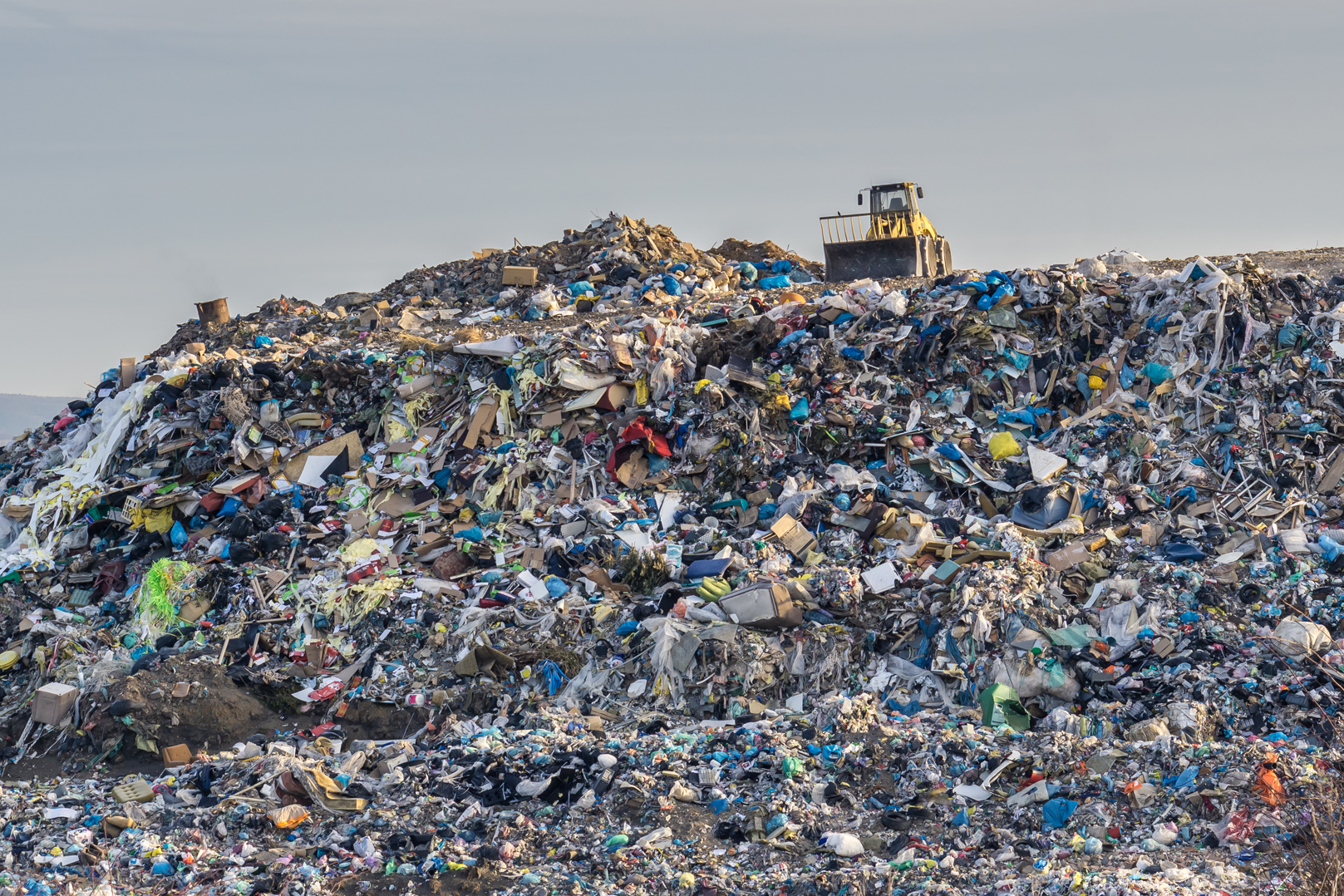
Every time it rains in Accra, the city remembers its waste problem. Drains clogged with plastic bottles and sachet bags overflow. Roads become rivers. Homes flood. And in the aftermath, the same trucks that could not collect the waste fast enough are now deployed to clear the mess—again. It is a cycle that has repeated itself for decades, and it is getting worse.
But what if Accra’s waste problem is not just a problem? What if it is a solution waiting to be recognised?

That is the argument being made by energy and infrastructure policy expert Dr. Elikplim Kwabla Apetorgbor. In a detailed analysis, he contends that Ghana’s current reliance on landfills is not just environmentally damaging—it is economically inefficient. Public funds are repeatedly used to collect, transport, and dispose of waste with little or no productive return. He describes this approach as “value destruction,” and warns that it is becoming unsustainable for fast-growing urban centres like Accra.
📢 GET A DETAILED ARTICLES + JOBS
Join ASJ's WhatsApp Channel and never miss a post or opportunity.

Landfilling is not waste management. It is value destruction,” Dr. Apetorgbor argues. The model, he says, imposes hidden costs on the economy through flooding, disease risks, environmental degradation, and the continuous demand for new landfill sites—sites that are increasingly difficult to find in a crowded metropolis.
Instead, he is calling for a strategic shift toward Waste-to-Energy (WtE) systems that convert municipal solid waste into electricity. Under this model, waste is treated as industrial feedstock rather than refuse, enabling cities to recover energy value while simultaneously reducing landfill pressure. For a city like Accra, which generates over 3,000 tonnes of waste daily, the potential is enormous.

The Hidden Costs of Landfills
To understand why Dr. Apetorgbor is so critical of the current system, you have to look at what landfills actually cost—not just in cedis, but in lost opportunities.
Direct Financial Costs
Municipal assemblies in Ghana spend millions of cedis each year on waste collection, transportation, and disposal. Trucks are purchased. Fuel is paid for. Landfill sites are leased and maintained. And at the end of this expensive process, the waste is simply buried. No energy is recovered. No value is created. The same cycle repeats the next day, and the next, and the next.
Flooding and Drainage Blockage
One of the most visible consequences of poor waste management in Accra is flooding. Plastic waste, in particular, clogs drainage channels, preventing water from flowing freely. When heavy rains come, the water has nowhere to go except into streets, homes, and businesses. The economic cost of flooding in Accra runs into hundreds of millions of cedis annually—costs that are directly linked to how waste is (or is not) managed.
Public Health Burdens
Open dumpsites and overflowing landfills are breeding grounds for disease. They attract rodents and insects. They contaminate groundwater. They release methane, a potent greenhouse gas, into the atmosphere. The public health costs—treating cholera, malaria, and respiratory illnesses—fall on an already overstretched healthcare system.
Land Scarcity
Accra is running out of space for landfills. The Kpone Landfill, one of the city’s primary disposal sites, has exceeded its designed capacity for years. Finding new sites is politically difficult and logistically challenging. Every hectare used for a landfill is a hectare that cannot be used for housing, industry, or green space. In a growing city, that trade-off becomes increasingly painful.
Dr. Apetorgbor sums it up this way: “The greater risk is not that Ghana attempts waste-to-energy, but that it continues pouring resources into an inefficient landfill system whose long-term economics are deteriorating.
Waste-to-Energy: A Different Approach
So what does the alternative look like?
Waste-to-Energy (WtE) is the process of generating electricity from the treatment of municipal solid waste. Instead of burying waste in a landfill, it is processed in a controlled facility where its combustible content is converted into heat, steam, and ultimately, electricity.
There are several technologies available:

-
Incineration: Waste is burned at high temperatures to produce steam that drives a turbine generator. This is the most established technology, widely used in Europe and Asia.
-
Gasification: Waste is heated in a low-oxygen environment to produce a synthetic gas (syngas) that can be burned to generate electricity.
-
Anaerobic Digestion: Organic waste (food scraps, agricultural residue) is broken down by microorganisms to produce biogas, which can be used for electricity or heat.
For a city like Accra, where waste is a mix of organic material, plastics, paper, and textiles, incineration or gasification are the most relevant technologies. Anaerobic digestion can play a complementary role for separately collected organic waste.
How It Works in Practice
Imagine a facility on the outskirts of Accra. Trucks arrive with municipal waste from across the city. The waste is sorted to remove recyclables (metals, glass) and hazardous materials. The remaining waste is fed into a combustion chamber where it is burned at temperatures exceeding 850°C. The heat converts water in boiler tubes into high-pressure steam. That steam spins a turbine connected to a generator, producing electricity. The electricity is stepped up to transmission voltage and fed into the national grid via a Power Purchase Agreement with the Electricity Company of Ghana (ECG).
A well-designed WtE plant processing 500 tonnes of waste per day can generate between 10 MW and 20 MW of electricity—enough to power tens of thousands of homes. And unlike solar power, which only generates when the sun is shining, a WtE plant can run 24 hours a day, 365 days a year, providing what is known as dispatchable power.
Why Dispatchable Power Matters for Ghana
Ghana’s electricity mix has three main components: hydro, thermal (gas), and solar. Each has limitations.
-
Hydro: The Akosombo and Kpong dams depend on rainfall in the Volta catchment. When rains are poor, generation drops—as Ghana experienced during the 2023–2024 dry spell.
-
Thermal (Gas): Gas-fired plants depend on imported natural gas, which competes for foreign exchange. Fuel price volatility and supply disruptions are constant risks.
-
Solar: Solar is clean and increasingly cheap, but it is intermittent. It generates only during daylight hours, and output varies with cloud cover.
Waste-to-energy offers something different: firm, dispatchable power that can be called upon whenever it is needed. It is not dependent on weather. It is not dependent on imported fuel. It is based on a resource that Accra produces every single day, rain or shine.
This makes WtE an ideal complement to solar power. During the day, solar can carry the load. In the evening, when solar drops off and demand peaks, a WtE plant can ramp up. The two technologies work together to create a more reliable and resilient grid.
The Economic Case: Beyond Electricity
While electricity generation is the headline, the economic case for waste-to-energy goes much further.
Tipping Fees
In addition to selling electricity, a WtE plant can charge tipping fees—a per-tonne charge for accepting waste. For municipal assemblies, paying a tipping fee to a WtE plant is often cheaper than operating a landfill, especially when you factor in transport, maintenance, and environmental compliance costs. For the plant operator, tipping fees provide a stable revenue stream that is not subject to fluctuations in electricity prices.
Job Creation
A WtE plant creates jobs. Engineers, technicians, plant operators, maintenance staff, and administrative personnel are needed to run the facility. Additional jobs are created in waste collection, sorting, and transport. For a country with high youth unemployment, this is not a minor consideration.
Land Value Recovery
When a landfill closes and the waste is diverted to a WtE plant, the land can be reclaimed. In a city like Accra, where developable land is increasingly scarce, this has significant value. The Kpone Landfill sits on prime real estate near the Tema industrial enclave. Reclaiming that land for industrial or commercial use could generate substantial economic returns.
Flood Reduction
By removing plastic and other debris from the waste stream, WtE plants can reduce the amount of material that ends up clogging drainage channels. Less clogged drains mean less flooding. Less flooding means lower economic losses and fewer displaced families.

Methane Reduction
Landfills are a major source of methane, a greenhouse gas more potent than carbon dioxide. By diverting waste from landfills to WtE plants, Ghana can significantly reduce its methane emissions, contributing to its climate commitments under the Paris Agreement.
What Needs to Happen for WtE to Take Off
Dr. Apetorgbor is realistic about the challenges. Waste-to-energy is not a silver bullet, and it will not succeed without the right framework. He outlines several critical requirements.
1. A Dispatchable Power Purchase Agreement
Central to his argument is the need for a bankable commercial framework. He recommends that any potential developer be supported to enter into a dispatchable Power Purchase Agreement with the Electricity Company of Ghana. This agreement would specify the tariff per kilowatt-hour, the duration of the contract (typically 15–20 years), and the terms for payment and dispute resolution. Without a credible PPA, investors will not commit capital.
2. Long-Term Waste Supply Agreements
A WtE plant needs a guaranteed supply of waste. This requires long-term agreements with municipal assemblies and private waste haulers. The agreements should specify the volume of waste to be delivered, the quality standards, and the tipping fee structure. Without feedstock certainty, the plant cannot operate profitably.
3. Environmental Safeguards
WtE plants, particularly incinerators, raise legitimate environmental concerns. Emissions must be strictly controlled to avoid air pollution. Ash must be managed safely. Community engagement is essential to address public opposition. Dr. Apetorgbor stresses that these safeguards are not optional—they are essential for both regulatory approval and public acceptance.
4. Regulatory Coordination
Several government agencies have a stake in waste-to-energy: the Ministry of Sanitation and Water Resources, the Ministry of Energy, the Environmental Protection Agency, the Energy Commission, and the Public Utilities Regulatory Commission, among others. These agencies must coordinate to provide a single, predictable regulatory framework. Conflicting requirements or overlapping jurisdictions can kill a project.
5. A Prefeasibility Study
Before any large-scale rollout, Dr. Apetorgbor recommends a detailed prefeasibility study covering waste volumes, plant sizing, environmental impact, and grid integration. “The greater risk is not that Ghana attempts waste-to-energy,” he notes, “but that it continues pouring resources into an inefficient landfill system whose long-term economics are deteriorating.”
Global Examples Ghana Can Learn From
Dr. Apetorgbor points to several global examples as evidence that waste-to-energy is commercially and technically viable when properly structured.
Singapore
With limited land for landfills, Singapore incinerates nearly all of its waste. The country operates four WtE plants that process over 7,000 tonnes of waste daily, generating enough electricity to power its water treatment plants. Ash from incineration is sent to a dedicated offshore landfill, extending the life of that facility indefinitely.
Copenhagen, Denmark
The Amager Bakke plant in Copenhagen processes 400,000 tonnes of waste annually, generating electricity for 30,000 homes and district heating for 72,000. The plant is so clean and well-designed that locals ski on its artificial slope. It is a case study in how WtE can be integrated into urban life.
Addis Ababa, Ethiopia
Closer to home, the Reppie Waste-to-Energy Facility in Addis Ababa is Africa’s first WtE plant. It processes 1,400 tonnes of waste per day and generates 25 MW of electricity. The plant has reduced landfill volume by over 80% and created hundreds of jobs. While it has faced operational challenges, it demonstrates that WtE is feasible in an African context.
The Risks and Challenges
Dr. Apetorgbor is an advocate, but he is not naive. He acknowledges several risks that must be managed.
Feedstock Quality
Not all waste is suitable for energy generation. High moisture content reduces combustion efficiency. Hazardous materials must be removed. Successful WtE requires consistent feedstock quality, which in turn requires effective waste collection and pre-processing systems.
Logistics
Waste that never reaches the plant cannot generate electricity. Accra’s waste collection system is fragmented, with a mix of private haulers, informal collectors, and municipal services. Consolidating this into a reliable supply chain is a significant logistical challenge.
Technology Selection
Different WtE technologies have different cost profiles, efficiency levels, and environmental impacts. Choosing the wrong technology for Ghana’s specific waste composition could lead to poor performance or financial losses.
Currency Risk
Most WtE equipment is imported and priced in foreign currency. Revenue from electricity sales and tipping fees is in cedis. This currency mismatch creates financial risk that must be hedged or managed through tariff structures that adjust for exchange rate movements.
Public Acceptance
WtE plants, particularly incinerators, have faced public opposition in many countries due to concerns about air pollution and health impacts. Ghana will need a robust public engagement strategy to build trust and address legitimate concerns.
Conclusion: From Value Destruction to Value Creation
For decades, Accra has treated waste as a problem to be buried. Dr. Apetorgbor argues that this approach is no longer sustainable—economically, environmentally, or socially. Landfills are filling up. Flooding is getting worse. Public health costs are rising. And the money spent on waste management delivers no productive return.
Waste-to-energy offers a different path. It treats waste as a resource. It generates electricity. It creates jobs. It reduces flooding. It frees up land. It cuts methane emissions. It is not a magic bullet, but it is a proven technology with a clear economic case.
For proponents like Dr. Apetorgbor, the question is no longer whether waste can be managed—it is whether it can be monetised as part of Ghana’s future energy mix. The waste is there, every single day, piling up in landfills and clogging drains. The question is whether Ghana will continue to bury its potential, or whether it will finally turn its waste problem into power.
“The greater risk is not that Ghana attempts waste-to-energy,” he says. “It is that it continues pouring resources into an inefficient landfill system whose long-term economics are deteriorating.”
Accra’s waste crisis could be powering its energy future. The only thing missing is the will to make it happen.
Frequently Asked Questions (FAQs)
1. How much electricity could Accra’s waste generate?
Accra generates over 3,000 tonnes of municipal solid waste per day. A modern waste-to-energy plant processing 500 tonnes per day can generate between 10 MW and 20 MW of electricity. If all of Accra’s waste were processed, the theoretical generation potential could exceed 60 MW—enough to power tens of thousands of homes. The exact output depends on the technology used and the calorific value (energy content) of the waste.
2. Is waste-to-energy safe for the environment?
Modern waste-to-energy plants are designed with strict emission controls. They use scrubbers, filters, and electrostatic precipitators to remove pollutants before they are released into the atmosphere. In countries like Denmark, Germany, and Japan, WtE plants operate safely in urban areas. However, the technology requires proper regulation, monitoring, and maintenance. Poorly designed or operated plants can pose environmental and health risks, which is why robust environmental safeguards are essential.
3. Why is Dr. Apetorgbor so critical of landfills?
Dr. Apetorgbor argues that landfills represent “value destruction” because they consume public funds without generating any productive return. He points to several hidden costs: flooding caused by blocked drains, public health burdens from disease and contamination, methane emissions that contribute to climate change, and the loss of valuable urban land. He believes that continuing to invest in landfills while ignoring waste-to-energy is economically irrational.
4. What is a dispatchable Power Purchase Agreement (PPA)?
A dispatchable Power Purchase Agreement is a contract between a power generator (like a WtE plant) and an off-taker (like the Electricity Company of Ghana). The “dispatchable” aspect means that the generator can provide power on demand, whenever the grid needs it—unlike solar or wind, which are intermittent. A credible PPA specifies the tariff, contract duration, payment terms, and conditions for grid connection. It is essential for securing financing, as investors need predictable revenue streams over a long period (typically 15–20 years).
5. What needs to happen for waste-to-energy to succeed in Ghana?
According to Dr. Apetorgbor, several conditions must be met: a dispatchable Power Purchase Agreement with ECG; long-term waste supply agreements with municipal assemblies; robust environmental and social safeguards; coordinated regulation across multiple government agencies; and a detailed prefeasibility study covering waste volumes, plant sizing, environmental impact, and grid integration. Without these fundamentals, even technically sound projects may struggle to attract investment.
Last Updated on April 15, 2026 by Samuel Kwame Boadu
Disclaimer: Some content on Accra Street Journal may be aggregated, summarized, or edited from third-party sources for informational purposes. Images and media are used under fair use or royalty-free licenses. Accra Street Journal is a subsidiary of SamBoad Publishing Hub under SamBoad Business Group Ltd, registered in Ghana since 2014.
For concerns or inquiries, please visit our Privacy Policy or Contact Page.

Samuel Kwame Boadu is a Ghanaian media entrepreneur and storyteller with a passion for amplifying urban voices and uncovering everyday truths. He is the Editor-in-Chief and Founder of Accra Street Journal, a dynamic digital platform dedicated to capturing the pulse of Ghana’s capital—its people, culture, challenges, business, sports and innovations.