EXECUTIVE INTRODUCTION
The dominant, globally-exported image of the technology industry, from the sleek, minimalist campuses of Silicon Valley to the bustling, youthful co-working spaces of Accra, has long been a stubbornly, and depressingly, masculine one. The stereotype is of the brilliant, obsessive, and often socially awkward young man in a hoodie, hunched over a laptop, his singular genius the engine of innovation. This image, while never wholly accurate, has had a profound, and deeply damaging, effect. It has quietly, and systematically, discouraged young girls from pursuing careers in science and technology. It has starved the industry of a vast, and urgently needed, reservoir of talent and perspective. And it has obscured, for far too long, a quiet, powerful, and deeply inspiring truth: that Ghanaian women are not just participating in the digital revolution; they are, in increasing numbers, and with remarkable, determined brilliance, leading it.
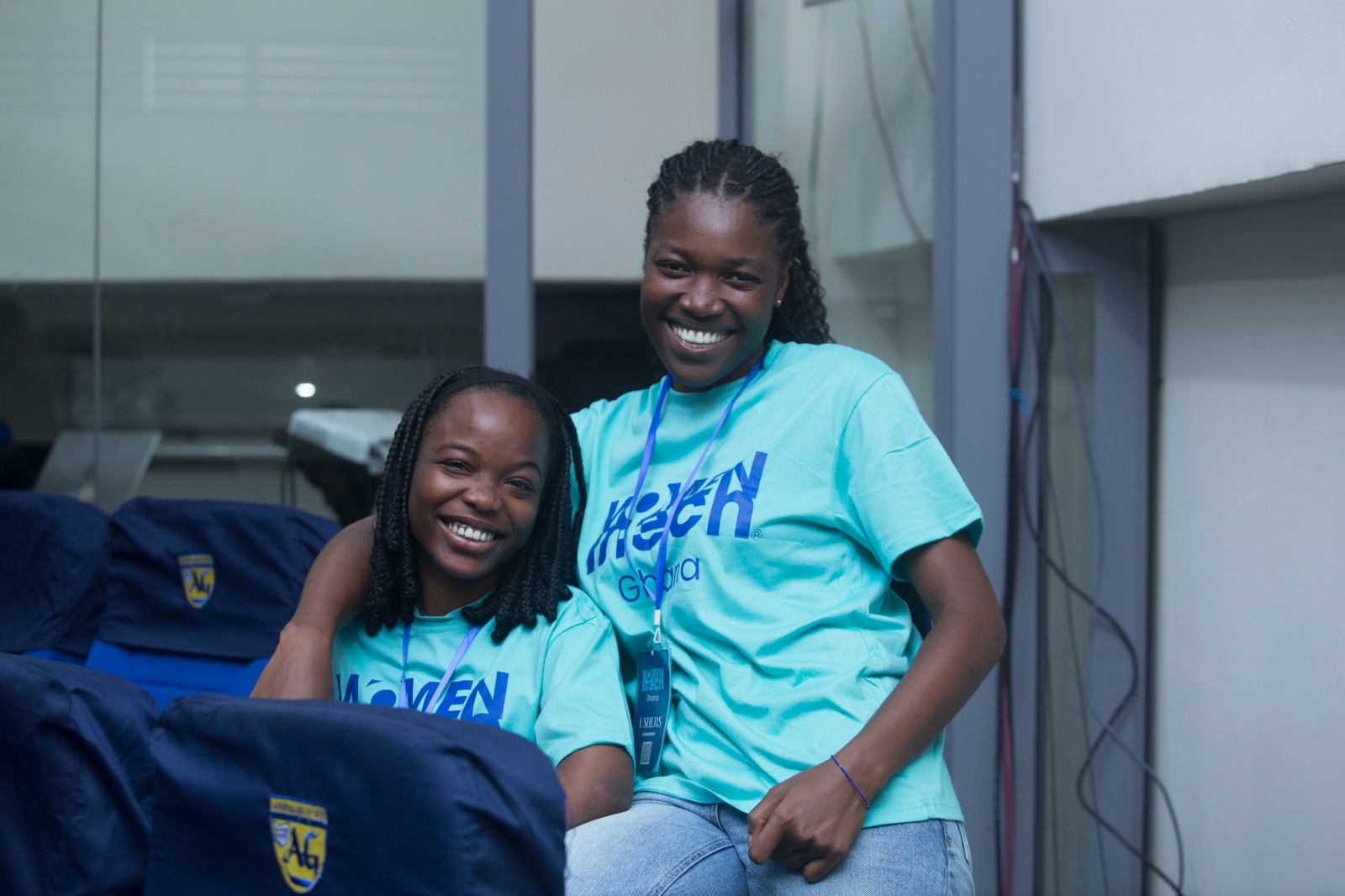
This Accra Street Journal analysis is a ground-level examination of the multi-faceted, and often under-reported, leadership of Ghanaian women in the technology space. This is not a story of tokenism, of a few exceptional individuals celebrated as curiosities. It is a story of a profound, structural, and accelerating shift, a quiet, relentless, and deeply empowering movement that is reshaping the very fabric of the ecosystem. We will profile the specific, powerful ways women are leading: as the founders of innovative, successful, and often socially-impactful tech startups; as the brilliant, sought-after engineers and data scientists at the core of the technical build; and as the tireless, visionary community builders who are creating the networks, the mentorship pipelines, and the safe, supportive spaces that are actively, and deliberately, dismantling the old barriers and pulling the next generation of young women into the field. The silent majority is finding its voice, and the Ghanaian tech ecosystem, and the nation’s economic future, is immeasurably stronger, richer, and more creative for it.

THE FOUNDER-CEO: SOLVING REAL PROBLEMS WITH EMPATHY AND SCALE
The first, and most visible, frontier of this female leadership is the world of entrepreneurship. The story of the Ghanaian female tech founder is often, and distinctly, different from the often-hyped, growth-at-all-costs narrative that dominates the global startup mythology. The female founder is frequently driven not by the abstract, elusive dream of a billion-dollar valuation, but by a deep, personal, and profoundly empathetic understanding of a specific, painful, and often overlooked problem in the lives of ordinary Ghanaians, particularly women. Her venture is not born in a hackathon, but in the quiet, daily experience of navigating the structural inefficiencies and deep, persistent inequalities of the economy. This is the quiet, powerful logic of the problem-solving premium we have analyzed elsewhere, and it is a logic that Ghanaian women are applying with remarkable, and commercially successful, results.
📢 GET A DETAILED ARTICLES + JOBS
Join ASJ's WhatsApp Channel and never miss a post or opportunity.

The evidence is increasingly undeniable. The landscape of Accra’s startup scene is now populated with a new generation of female-founded companies that are not just building apps, but building solutions to the problems that actually matter. We see the brilliant founder who has built a fintech platform specifically designed to solve the ancient, frustrating problem of the “susu” savings circle, digitising it, making it transparent, and giving the market women who form the backbone of the economy a secure, efficient, and dignified tool for collective saving and micro-lending. We see the visionary entrepreneur who has built a health-tech startup that uses a simple mobile platform to connect pregnant women in remote, underserved communities with vital antenatal care advice, appointment reminders, and a direct line to a qualified midwife, a quiet, life-saving intervention that is directly tackling Ghana’s persistent, and tragic, maternal mortality rate. We see the creative founder who has built an ed-tech platform that uses the power of local languages, gamified learning, and a deep understanding of the local curriculum to make high-quality, supplementary education accessible and affordable to children across the nation, the brilliant daughter of a teacher who is using technology to solve the exact problem her mother faced in the classroom. These women are not just building companies; they are building a more inclusive, more equitable, and more deeply human digital economy. They are the founder-CEOs of a new, distinctly Ghanaian, and profoundly necessary kind of innovation, and their success is a powerful, and deeply inspiring, signal to the next generation of young Ghanaian girls that the path to leadership in tech is open, and that their unique, empathetic perspective is not just welcome, but urgently, desperately needed.
THE TECHNICAL ARCHITECT: THE BRILLIANT CODE BEHIND THE PRODUCT
The second, and perhaps less publicly celebrated, frontier of female leadership is in the deep, demanding, and often unglamorous world of the technical build. The enduring, and deeply damaging, myth that women are somehow not “naturally” suited to the hard, logical, mathematical work of software engineering, data science, and systems architecture is a dangerous falsehood. The empirical evidence from classrooms, from coding bootcamps, and from the world’s leading technology companies is clear and unequivocal: when given equal access to opportunity, training, and mentorship, women excel in these fields at the very highest levels. The Ghanaian tech scene is slowly, and sometimes painfully, beginning to dismantle this old, exclusionary bias, and the result is the quiet emergence of a formidable cadre of brilliant female technical leaders. They are the software engineers writing the complex, elegant code that powers the nation’s most successful fintech platforms, ensuring that a mobile money transaction executes flawlessly, securely, and instantly, millions of times a day. They are the data scientists building the sophisticated, intelligent algorithms that are detecting fraud, personalising financial products, and extracting actionable insights from vast, chaotic rivers of data. They are the cybersecurity specialists working, often invisibly, to build and maintain the digital fortresses that protect the nation’s financial infrastructure, its personal data, and its economic sovereignty from the relentless, ever-present threat of malicious attack.

The significance of this quiet, technical leadership is immense, and it operates on multiple, powerful levels. On the most immediate, practical level, it is a profound, and long-overdue, solution to the chronic, structural, and economically crippling shortage of skilled tech talent that we have documented as a critical barrier to national growth. By finally, and deliberately, including the immense, untapped genius of half the population, the nation is dramatically expanding its pool of technical expertise, filling the critical, high-value roles that are the engine of the digital economy, and building the deep, indigenous capability required for true, sovereign technological independence. On a deeper, more cultural level, the visibility of these brilliant female technical leaders is a quiet, powerful, and profoundly transformative force. The young Ghanaian girl who is told she is “not good at maths” now has a powerful, tangible, and deeply credible counter-narrative. She can see, in the successful, respected, and technically brilliant women engineers who are leading the teams that build the apps she uses every day, the clear, undeniable proof that the old, limiting stereotype is a lie. The barrier is not her ability; it is the old, unjust gatekeeping that the brilliant women of the Ghanaian tech scene are, one line of code, one deployed feature, and one broken stereotype at a time, actively, and permanently, dismantling.
THE COMMUNITY BUILDER: THE MENTOR, THE ORGANISER, AND THE BUILDER OF THE PIPELINE
The third, and perhaps most quietly transformative, frontier of female leadership is the often-invisible, and profoundly impactful, work of community building and mentorship. The task of changing a deeply entrenched, structurally biased culture is not the work of a single, heroic individual. It is the slow, patient, and relentless work of building an alternative, parallel, and deeply supportive infrastructure. It is the work of the tireless organisers, the visionary mentors, and the generous network-builders who are creating the safe, welcoming, and empowering spaces where the next generation of Ghanaian female technologists can learn, grow, connect, and, most importantly, believe in themselves. This is the quiet, essential, and deeply unglamorous work of building the pipeline, and it is a field where Ghanaian women are demonstrating remarkable, and deeply selfless, leadership. Across the city, a growing network of female-founded and female-led organisations, coding clubs, mentorship circles, and scholarship programs is now dedicated to the specific, and critical, mission of closing the gender gap in technology.
These initiatives operate on the most powerful, and most effective, principles of cultural change: the power of visible, relatable role models. The young girl who meets a successful, confident, and brilliant female software engineer at a workshop, who hears her story, who sees that she is a normal person with a normal background, and who has a direct, personal conversation with her about her journey, is a girl whose entire horizon of possibility has just been transformed. The quiet, internal voice that said, “This is not for people like me,” is challenged, and often, permanently, silenced. These community builders are also doing the essential, practical work of skilling-up, providing the accessible, affordable, and supportive training programmes that teach the specific, market-ready skills—the coding languages, the data analysis tools, the digital design principles—that are the ticket to a high-value career in the digital economy. And they are building the powerful, supportive, and resilient networks of peer support, the communities where a young woman can ask the “stupid” question without fear of judgment, where she can share her frustrations and her triumphs with others who understand, and where she can find the quiet, essential, and often life-saving encouragement to keep going when the path gets hard. The community builder is the quiet, essential gardener of the ecosystem, planting the seeds, tending the soil, and ensuring that the brilliant, untapped talent of a generation of Ghanaian women is not lost, but is nurtured, cultivated, and brought, fully and powerfully, to bloom.
QUICK FACTS BOX: GHANAIAN WOMEN LEADING IN TECH
-
The Founder-CEO: Women are building startups driven by deep, personal, and empathetic understanding of real, local problems, creating innovative solutions in fintech, health-tech, and ed-tech.
-
The Technical Architect: The myth of the male-only engineer is being broken, with women excelling as software developers, data scientists, and cybersecurity experts, expanding the nation’s critical talent pool.
-
The Community Builder: Women are leading the essential, behind-the-scenes work of mentorship, skills training, and safe-space creation, deliberately building the pipeline that is pulling the next generation into the field.
-
The Core Insight: The power of visible, relatable role models cannot be overstated; the leadership of women today is the single most powerful force for inspiring and enabling the women leaders of tomorrow.
-
The Strategic Imperative: Closing the gender gap in tech is not just a matter of social justice; it is an urgent economic necessity, unlocking the immense, untapped talent that is critical for national competitiveness.
FAQ SECTION
1. Are there really a significant number of Ghanaian women working in the technology sector, or is it still just a token few?
The numbers are growing rapidly, and the shift is structural, not tokenistic. While the field is still not at perfect parity, there is a powerful, visible, and accelerating wave of women leading startups, writing code, and running tech communities. They are a growing, and increasingly dominant, force.
2. What are the specific, biggest challenges that a young Ghanaian woman faces when trying to break into a tech career?
The barriers are often deeply cultural and psychological, rather than technical. They include the quiet, persistent, and false stereotype that “tech is for boys,” the profound lack of visible, relatable female role models, and the subtle, often unconscious bias that can make the learning and working environment feel unwelcoming or even hostile.
3. How can I, as a parent, encourage my intelligent young daughter to pursue her interest in science and technology?
Be her most powerful, and most visible, champion. Actively seek out and introduce her to real, successful Ghanaian women working in tech, through events, online profiles, or mentorship programs. Encourage her curiosity, celebrate her problem-solving, and, above all, challenge the quiet, insidious voice that tells her the field is not for her.
4. Are there specific, dedicated programs or schools in Ghana that are designed to teach girls how to code?
Yes, there is a growing, and deeply impactful, ecosystem of such initiatives. A search for “girls coding Ghana” or “women in tech Ghana” will connect you with a range of powerful, female-led organisations that are doing the essential, life-changing work of building the pipeline.
5. Is it true that women often build different types of tech companies than men?
Often, yes, and this is a powerful strength. The female founder is frequently driven by a deep, personal, and empathetic understanding of a specific, real-world problem, often one that has been overlooked by a male-dominated industry. This focus on authentic, problem-solving innovation is often the foundation of a more resilient, more impactful, and ultimately more successful business.
6. Why is it actually important for the Ghanaian economy that more women are in tech, beyond just basic fairness?
Because it is a colossal, and incredibly costly, waste of talent. The chronic, structural shortage of skilled tech professionals is a major, binding constraint on national growth. By excluding, or even just discouraging, half the population from the field, the nation is voluntarily tying one hand behind its back in the global race for innovation and prosperity.

7. What is the single, most powerful thing that can inspire a young girl to believe she can have a tech career?
Meeting, and having a genuine, personal conversation with, a successful, confident, and relatable Ghanaian woman who is already doing it. The power of the visible, accessible role model is the single most transformative force in dismantling the old, limiting stereotypes.
8. Are the big, global technology companies in Ghana doing anything to actively hire and promote more women?
The conversation has shifted, and there is a growing, and often genuine, commitment. Many of the major firms now have specific diversity and inclusion programs, mentorship initiatives for female employees, and recruitment drives that are actively targeting talented women. However, the gap is still real, and progress is often slow.
9. How can the Ghanaian government specifically support and accelerate this positive trend of female leadership in tech?
By investing, with focused and sustained effort, in the foundational enablers: ensuring that girls have equal access to quality STEM education from the earliest years, providing targeted scholarships and funding for women pursuing tech careers, and creating a national culture, through public messaging and policy, that celebrates and champions the female innovator.
10. What is the beautiful, long-term vision of what a truly gender-balanced Ghanaian tech ecosystem could achieve?
The vision is of a national digital economy that is not just bigger, but fundamentally smarter, more creative, more inclusive, and more deeply humane. It is an ecosystem that draws on the full, diverse, and brilliant talent of all its citizens to solve the problems that affect everyone, and to build a future of shared, sustainable prosperity. The true power of the digital revolution will only be realised when its builders truly reflect the society they are building for.
Last Updated on August 14, 2026 by Samuel Kwame Boadu
Disclaimer: Some content on Accra Street Journal may be aggregated, summarized, or edited from third-party sources for informational purposes. Images and media are used under fair use or royalty-free licenses. Accra Street Journal is a subsidiary of SamBoad Publishing Hub under SamBoad Business Group Ltd, registered in Ghana since 2014.
For concerns or inquiries, please visit our Privacy Policy or Contact Page.

Samuel Kwame Boadu is a Ghanaian media entrepreneur and storyteller with a passion for amplifying urban voices and uncovering everyday truths. He is the Editor-in-Chief and Founder of Accra Street Journal, a dynamic digital platform dedicated to capturing the pulse of Ghana’s capital—its people, culture, challenges, business, sports and innovations.