4 min read
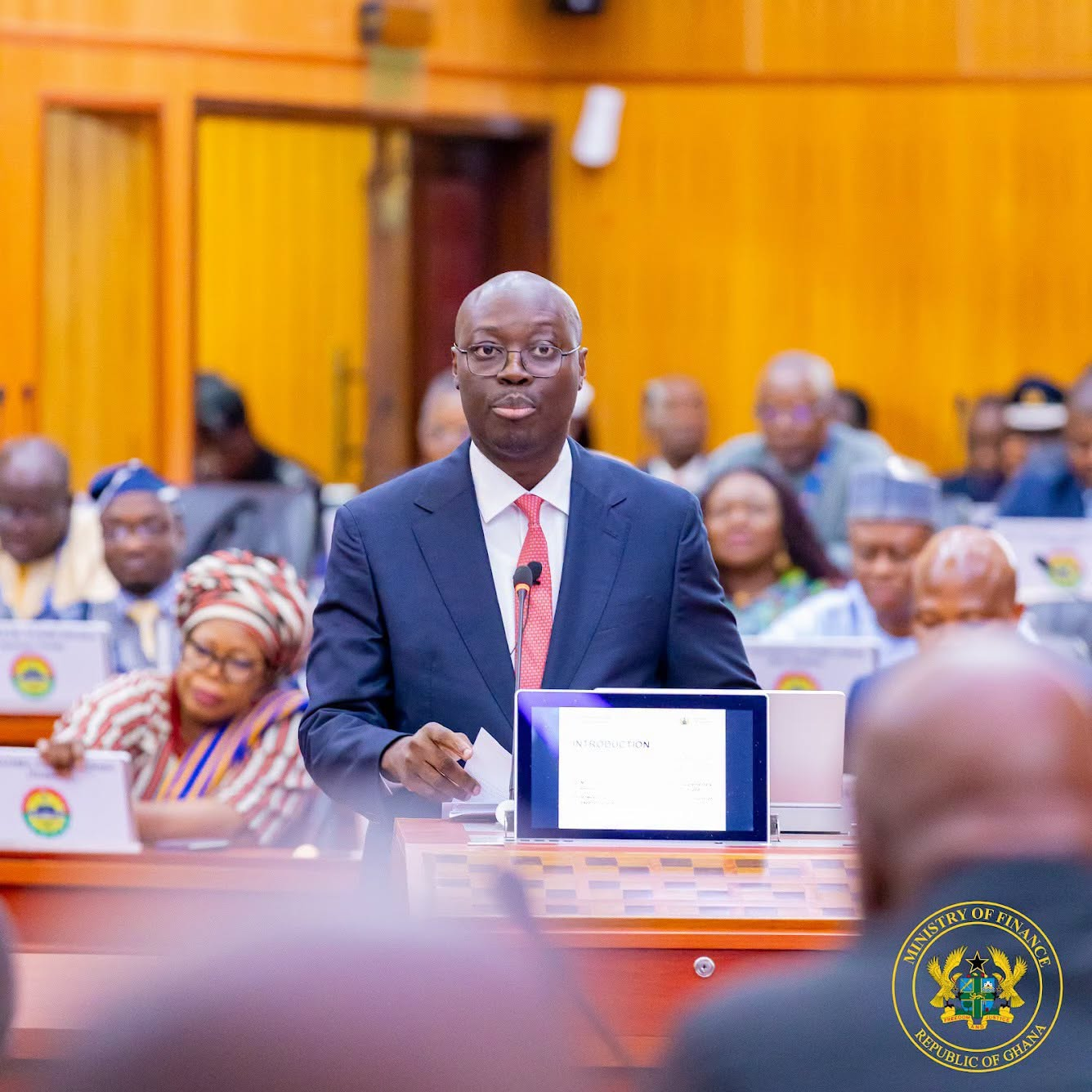
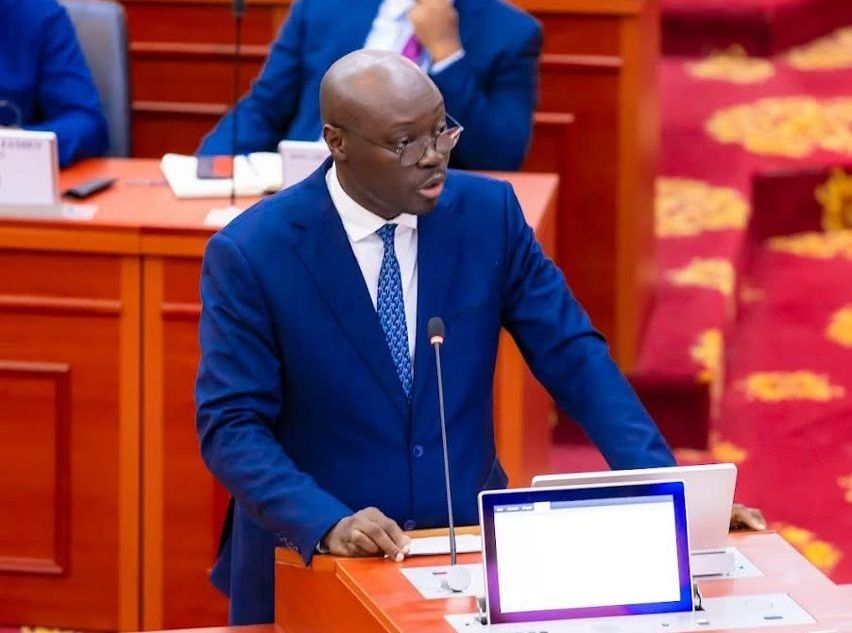
Ghana’s energy sector has reached a critical debt milestone, with liabilities now estimated at US$3 billion, according to Energy Minister-designate John Jinapor. During his vetting before Parliament’s Appointments Committee on January 13, Jinapor emphasized the urgent need for effective debt management strategies to stabilize the sector and safeguard the country’s energy security.
The minister highlighted that the growth in the sector’s debt is largely due to ineffective management and mounting interest on existing obligations. Historical records reveal that as the previous administration exited office, the sector’s consolidated debt stood at roughly US$2 billion, validated against official documents and audits conducted by ESLA PLC.
Key Takeaways
- Ghana’s energy sector has reached a critical debt milestone, with liabilities now estimated at US$3 billion, according to Energy Minister-designate John Jinapor.
- During his vetting before Parliament’s Appointments Committee on January 13, Jinapor emphasized the urgent need for effective debt management strategies to stabilize the sector and safeguard the country’s energy security.
- Ghana’s energy sector debt reaching US$3 billion signals a pivotal moment requiring strong governance, prudent financial management, and strategic interventions.
Energy Sector Debt Trajectory
Mr. Jinapor provided a detailed account of the sector’s rising liabilities:
-
2017: Total energy sector liability was GH₵9.4 billion, equivalent to US$2.1 billion using an exchange rate of 4.4.
-
September 30, 2024: Debt had escalated to US$2.5 billion.
-
Current (January 2025): Reconciled figures confirm the total debt has reached US$3 billion.
He dismissed claims that the sector debt had ballooned to US$5 billion, stressing that the official, validated public records peg the current reconciled figure at US$3 billion.
Energy Sector Levies Act (ESLA) and Debt Servicing
The minister-designate referenced the Energy Sector Levies Act (ESLA), which has generated approximately GH₵45 billion over the years. These funds have been partially used to service the principal and interest on the sector’s debt. However, despite these contributions, the existing liabilities continue to outpace available resources, underscoring the urgency for robust debt management measures.
Jinapor stressed that the sector must adopt strategic interventions, including:
-
Prioritizing debt restructuring to reduce interest burdens.
-
Efficient allocation of ESLA funds to stabilize cash flows and reduce liabilities.
-
Strengthening coordination among key stakeholders, including the Ministry of Energy, Energy Commission, and Electricity Company of Ghana (ECG).
-
Implementing long-term strategies to prevent further accumulation of debt.
Implications for Ghana’s Energy Sector
The escalating debt poses a significant risk to Ghana’s energy infrastructure and financial stability. Rising liabilities can:
-
Limit the sector’s capacity to invest in critical infrastructure.
-
Impact the reliability of electricity supply, potentially leading to disruptions.
-
Strain government finances and increase dependence on external support.
By addressing these challenges proactively, the government can enhance sector efficiency, improve investor confidence, and secure sustainable energy provision for businesses and households.
Conclusion From THSB
Ghana’s energy sector debt reaching US$3 billion signals a pivotal moment requiring strong governance, prudent financial management, and strategic interventions. Energy Minister-designate John Jinapor’s call for effective debt management and optimized use of ESLA funds highlights the administration’s commitment to stabilizing the sector and ensuring the country’s energy security.
Through careful planning, transparent management, and targeted reforms, Ghana can mitigate the risks associated with the rising energy sector debt, positioning the sector for long-term sustainability and growth.
FAQs
1. How much debt does Ghana’s energy sector currently hold?
According to Energy Minister-designate John Jinapor, the energy sector debt has reached US$3 billion.

2. What caused the rise in energy sector debt?
The debt increase is attributed to ineffective management and mounting interest on existing obligations, as well as rising operational costs.
3. What is the Energy Sector Levies Act (ESLA)?
ESLA is a legislation that imposes levies to generate funds for the energy sector. The funds are used for debt servicing, infrastructure investment, and sector stabilization.

4. How has ESLA contributed to debt management?
ESLA has generated approximately GH₵45 billion over the years, some of which has been used to service the principal and interest on energy sector debt, though it remains insufficient.
5. What strategies did Minister-designate Jinapor propose?
Jinapor emphasized debt restructuring, efficient allocation of ESLA funds, stakeholder coordination, and the implementation of long-term measures to prevent further debt accumulation.
Source: The High Street Business
Last Updated on November 18, 2026 by Samuel Kwame Boadu
Disclaimer: Some content on Accra Street Journal may be aggregated, summarized, or edited from third-party sources for informational purposes. Images and media are used under fair use or royalty-free licenses. Accra Street Journal is a subsidiary of SamBoad Publishing Hub under SamBoad Business Group Ltd, registered in Ghana since 2014.
For concerns or inquiries, please visit our Privacy Policy or Contact Page.

Samuel Kwame Boadu is a Ghanaian media entrepreneur and storyteller with a passion for amplifying urban voices and uncovering everyday truths. He is the Editor-in-Chief and Founder of Accra Street Journal, a dynamic digital platform dedicated to capturing the pulse of Ghana’s capital—its people, culture, challenges, business, sports and innovations.
Use the following reference when citing or referencing this article.
Your feedback helps us improve our journalism.

Report an Error
Help us maintain accuracy. Let our editorial team know if you spot an issue in this article.
Report a problem with this article