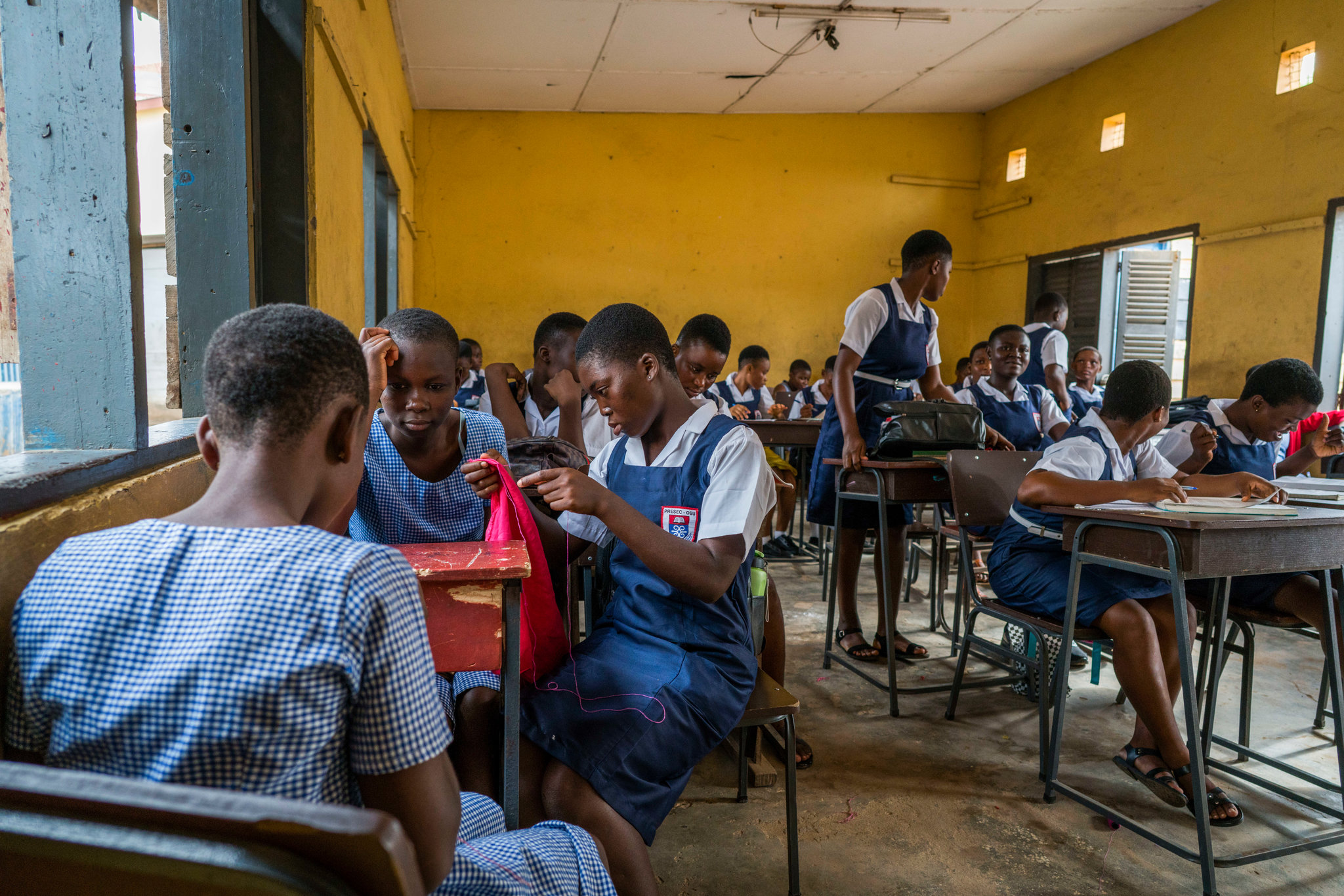



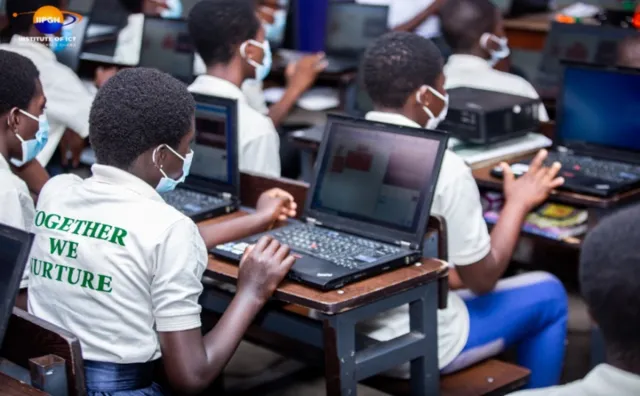
In 2026, the conversation about education in Accra increasingly includes a new imperative: digital literacy. No longer a specialised skill for a few, digital fluency is now recognised as a core competency for students navigating 21st-century learning and future employment. From coding clubs and ICT-enhanced classrooms to teacher training and public–private partnerships, schools across Accra are actively transforming the way technology and digital skills are embedded in education.
This shift is not happening in isolation. It reflects broader national concerns about workforce readiness, global competitiveness, and the need for young Ghanaians to participate meaningfully in a rapidly digitalising world. Accra Street Journal’s coverage of education trends underscores how schools are mobilising resources—both internal and external—to ensure that students graduate not just with academic certificates, but with skills that are relevant to the modern economy.

Coding Clubs and Student Engagement
One of the most visible ways digital literacy is expanding in Accra’s schools is through coding clubs and technology-focused extracurricular programmes. Organisations such as the Institute of ICT Professionals Ghana (IIPGH), in collaboration with partners like Swisscontact, have launched initiatives that introduce students to basic programming, problem solving, and creative computing.
📢 GET A DETAILED ARTICLES + JOBS
Join ASJ's WhatsApp Channel and never miss a post or opportunity.

The Digital Literacy Initiative (DLI) Coding Club, piloted in schools such as Gbegbeyise Basic School, engages pupils in project-based learning where they build animations, interactive stories, and simple games using tools like Scratch. Importantly, the programme includes teacher training—equipping educators with skills to continue facilitating digital classes independently.
This model not only exposes students to foundational digital concepts early, but it also helps demystify technology by making it tangible and creative rather than abstract.

Targeted ICT Training and Inclusion
Beyond after-school clubs, larger and more structured ICT training programmes are taking root. The Ghana Chamber of Telecommunications, for example, has collaborated with the IIPGH to train students and teachers in the Ablekuma West Municipality, focusing particularly on inclusive initiatives that empower girls with information communication technology (ICT) skills—such as coding, basic computing, IoT concepts, and internet safety.
These targeted efforts are not merely about teaching students to use tools; they aim to broaden participation in technology fields historically underrepresented by women and other groups, fostering diversity in STEM pathways.
Public–Private Partnerships Expand Infrastructure
School-based initiatives are often strengthened by strategic partnerships with the private sector. A notable example is Ecobank’s GH¢2.2 million investment to establish digital learning centres in selected schools, including South Labone Girls Technical Institute in Accra. These facilities provide students with access to specialised training opportunities in web development, animation, robotics, and artificial intelligence—topics that would otherwise be beyond the reach of many basic school curricula.
Such collaborations bring much-needed hardware, software, and technical expertise into the educational environment, making advanced digital skills accessible to students who might otherwise be excluded from them.
Teachers as Catalysts for Digital Integration
The expansion of digital literacy in schools hinges on teacher capacity, and educators in the Greater Accra Region are increasingly participating in professional development aimed at improving digital competence. Workshops on media and information literacy, organised in collaboration with institutions like the University of Ghana and UNESCO, are equipping teachers with critical skills to integrate technology thoughtfully into the curriculum and guide students in navigating digital information responsibly.
These teacher-focused initiatives are foundational; they prepare educators not merely to use technology, but to embed it meaningfully in lesson plans—thus transforming the learning experience for all students.
Digital Tools and Blended Learning
Although infrastructure challenges persist in some schools, a majority of educational institutions in the Greater Accra Region now have access to digital learning tools and internet connectivity. Recent estimates suggest that around 98% of schools in the region are equipped with digital resources, such as computers and internet access, enabling both teachers and students to incorporate online resources into daily education.
The adoption of blended learning models, which combine traditional classroom instruction with digital resources and platforms, is gradually shifting pedagogical practices away from rote memorisation toward more interactive, self-directed learning. Tools such as digital libraries, mobile learning apps, and virtual study portals offer students opportunities to learn at their own pace and explore subjects beyond the core syllabus.
Institutional Support and National Vision
These school-level efforts are being reinforced by broader educational policies. The Ministry of Education and its agencies, including the National Council for Curriculum and Assessment (NaCCA), are increasingly focused on integrating digital literacy and cybersecurity awareness into the national curriculum—from basic levels through secondary education—and creating structured pathways for students to progress from foundational skills to specialised tech engagements such as cybersecurity challenges and national competitions.

This national vision recognises that digital literacy is not just about computer use; it encompasses responsible internet engagement, online safety, problem solving, and critical thinking—skills that are essential for civic participation and economic opportunity in the digital age.
Preparing Students for the Future
The evolution of digital literacy in Accra’s schools reflects a broader shift in educational priorities. Schools are increasingly understood not just as places to transmit knowledge, but as environments that prepare students to participate and compete in a digital economy. Whether through coding clubs, ICT labs, teacher training, or online learning resources, students in Accra are gaining exposure to the tools and thinking patterns required for future careers in technology, business, science, and beyond.
As Accra Street Journal has noted in its education reporting, these efforts are cumulative: individual initiatives—when scaled, supported, and sustained—have the potential to transform the digital competencies of a generation. This transformation is not merely about technology literacy; it is about empowering learners to navigate, create, and lead in a world where digital skills are indispensable.
FAQs
What is digital literacy in schools?
Digital literacy refers to students’ ability to use digital tools, understand online information, and apply technology for learning and problem solving.
Are digital skills part of school curricula in Accra?
Yes. Schools are increasingly integrating digital skills through coding clubs, ICT classes, and blended learning resources.
Who supports digital literacy programmes in Accra schools?
Support comes from partnerships between schools, NGOs such as IIPGH, private sector sponsors like Ecobank, and organisations such as the Ghana Chamber of Telecommunications.
Do teachers receive training in digital skills?
Teachers participate in workshops and professional development to improve their capacity to integrate digital tools into teaching.
How does digital literacy benefit students?
It prepares students for future careers, enhances learning engagement, improves problem solving, and strengthens adaptability in a tech-driven world.
Source: Accra Street Journal
Last Updated on January 17, 2026 by Samuel Kwame Boadu
Disclaimer: Some content on Accra Street Journal may be aggregated, summarized, or edited from third-party sources for informational purposes. Images and media are used under fair use or royalty-free licenses. Accra Street Journal is a subsidiary of SamBoad Publishing Hub under SamBoad Business Group Ltd, registered in Ghana since 2014.
For concerns or inquiries, please visit our Privacy Policy or Contact Page.

Samuel Kwame Boadu is a Ghanaian media entrepreneur and storyteller with a passion for amplifying urban voices and uncovering everyday truths. He is the Editor-in-Chief and Founder of Accra Street Journal, a dynamic digital platform dedicated to capturing the pulse of Ghana’s capital—its people, culture, challenges, business, sports and innovations.